

Analysis of Activated Carbon Particle Pneumatic Conveying Technology: Comparison of Positive and Neg
Pneumatic conveying technology plays a crucial role in the efficient handling and transportation of activated carbon particles, which are widely used in industrial processes such as air purification, water treatment, and chemical manufacturing. The choice between positive pressure and negative pressure modes in pneumatic conveying systems significantly impacts operational efficiency, cost-effectiveness, and system reliability. This article provides a detailed analysis of the two primary modes, highlighting their mechanisms, advantages, and practical applications in activated carbon particle transportation.
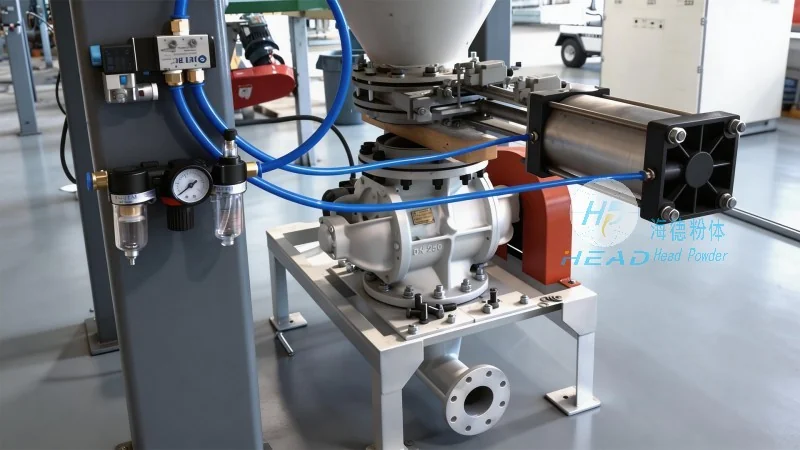
Understanding Pneumatic Conveying Systems for Activated Carbon Particles
Pneumatic conveying systems utilize air or gas to transport solid particles through a pipeline. For activated carbon, which is typically fine and abrasive, the design of the conveying system must address challenges like particle segregation, system clogging, and energy consumption. The two main modes—positive pressure (pressure) and negative pressure (suction)—differ in how they generate the necessary airflow to move the particles.
Positive Pressure Pneumatic Conveying Mode
In positive pressure systems, air is supplied under pressure to the conveying line, pushing the activated carbon particles forward. This mode is often preferred for long-distance or high-capacity applications due to its ability to maintain consistent flow rates and handle larger particle sizes. The positive pressure system typically includes a blower or compressor at the inlet, which generates the required pressure to overcome friction losses in the pipeline. Advantages of this mode include better control over particle flow, reduced risk of dust leakage, and suitability for applications where the receiving end is at a higher elevation than the source. However, it may require more energy to maintain the pressure, and the system can be more complex to install and maintain.
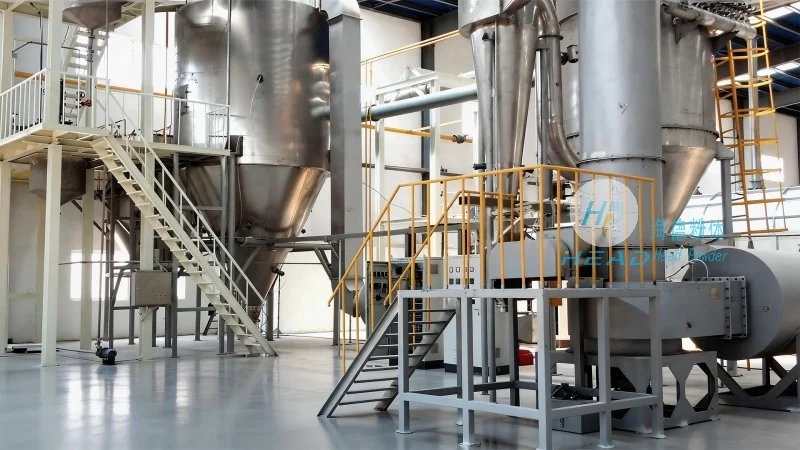
Negative Pressure Pneumatic Conveying Mode
Negative pressure systems, also known as vacuum or suction systems, draw air and particles into the conveying line using a vacuum pump or fan at the outlet. This mode is ideal for short-distance or low-capacity applications, especially when the receiving end is at a lower elevation than the source. The negative pressure system is generally simpler in design, with fewer components compared to positive pressure systems. It often requires less initial investment and can be more energy-efficient for short runs. However, it is more susceptible to dust leakage and may struggle with larger particle sizes or high moisture content in the activated carbon, as the vacuum can cause particle segregation or clogging.
Key Factors in Choosing Between Positive and Negative Pressure Modes
When selecting a pneumatic conveying mode for activated carbon particles, several factors must be considered. The distance between the source and receiving end is a primary determinant: positive pressure is preferred for distances exceeding 100 meters, while negative pressure is suitable for shorter distances (typically under 50 meters). The particle size and density of the activated carbon also influence the choice, as finer particles may require higher air velocities in positive pressure systems to prevent clogging. Additionally, the system's energy consumption and maintenance costs are critical. Positive pressure systems may have higher operational costs due to the need for continuous compression, whereas negative pressure systems can be more economical for low-volume applications. Environmental considerations, such as the need to minimize dust emissions, also play a role, as positive pressure systems are generally better at containing particles within the pipeline.
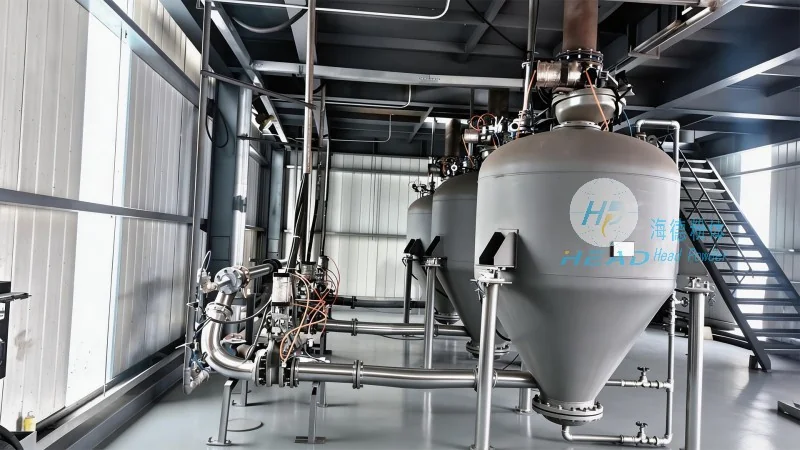
Application Examples in Activated Carbon Processing
Both positive and negative pressure modes are used in various stages of activated carbon production and handling. For instance, in a manufacturing plant, positive pressure systems may be employed to transport raw carbon from storage silos to a processing unit, where the high capacity and consistent flow are essential. Conversely, negative pressure systems might be used to convey finished activated carbon from a processing line to a packaging area, especially if the packaging station is at a lower level. In water treatment facilities, where activated carbon is used for filtration, negative pressure systems are often used to transport carbon from a storage bin to a filter tank, as the short distance and lower elevation make this mode efficient. The choice of mode also depends on the specific process requirements, such as the need for precise particle control or the presence of other materials in the system.
Advantages and Limitations of Each Mode
Positive pressure pneumatic conveying offers several advantages, including higher throughput, better control over particle velocity, and reduced risk of dust contamination. It is particularly effective for handling abrasive or sticky activated carbon particles, as the pressure helps maintain particle integrity and prevents agglomeration. However, the system's complexity and higher energy consumption are notable limitations. The positive pressure mode may also require additional safety measures to prevent overpressure or leaks, which can be costly to implement.
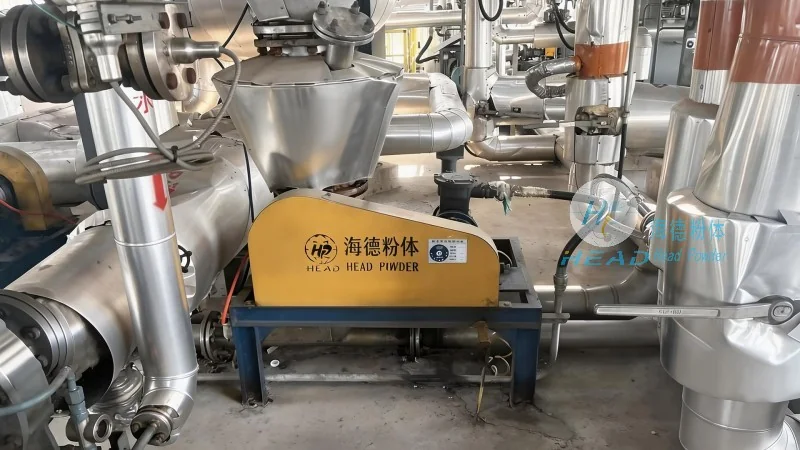
Negative pressure systems, on the other hand, provide simplicity and lower initial costs, making them attractive for small-scale or short-distance applications. They are less prone to overpressure and can be easier to install in existing facilities. The main limitations include lower capacity, higher susceptibility to dust leakage, and potential issues with particle segregation or clogging, especially with fine or moist activated carbon. The vacuum pump's performance and the system's ability to handle backflow are also critical factors in negative pressure operation.
Case Study: HeadPowder's Pneumatic Conveying Solutions
Shandong HeadPowder Engineering Co., Ltd., a leading provider of industrial conveying solutions, specializes in designing and manufacturing customized pneumatic conveying systems for activated carbon particles. The company has extensive experience in both positive and negative pressure applications, having served clients in the chemical, environmental, and water treatment industries. HeadPowder's engineers work closely with clients to assess their specific needs, including the distance, particle characteristics, and operational budget, to recommend the most suitable mode. For example, a client requiring high-capacity transport over 200 meters used HeadPowder's positive pressure system, which achieved a throughput of 10 tons per hour with minimal energy consumption. Another client, with a short-distance requirement of 30 meters, opted for a negative pressure system, which reduced installation costs by 30% compared to a positive pressure alternative. The company's commitment to quality and customization ensures that its systems meet the unique challenges of activated carbon transportation, providing reliable and efficient solutions for industrial processes.