

Advantages and Disadvantages of Negative Pressure vs. Positive Pressure Conveying for Metal Silicon
When it comes to transporting metal silicon through pneumatic systems, two primary methods dominate the industry: negative pressure conveying and positive pressure conveying. Each approach offers distinct characteristics that can significantly impact operational efficiency, cost-effectiveness, and equipment maintenance. Understanding the advantages and disadvantages of each method is crucial for selecting the most suitable solution for specific metal silicon handling applications.
Overview of Negative Pressure Conveying
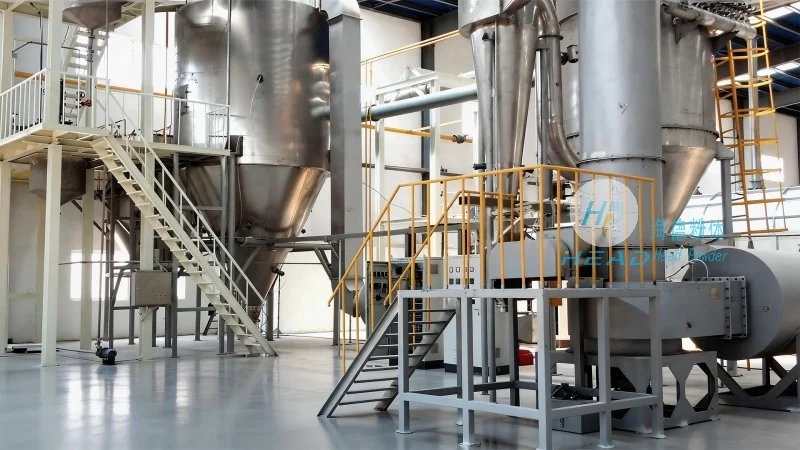
Negative pressure conveying, also known as suction conveying, operates by creating a vacuum at the material inlet to draw material into the system. This method is particularly effective for handling fine powders and granules, as it can efficiently capture and transport materials from various sources without the need for direct contact with the material being conveyed. The vacuum created helps maintain a clean and controlled environment, reducing the risk of dust dispersion and contamination. In the context of metal silicon, negative pressure systems are often preferred for applications requiring gentle handling of sensitive materials, such as those with high moisture content or delicate particle structures.
Advantages of Negative Pressure Conveying for Metal Silicon
One of the key advantages of negative pressure conveying is its ability to handle fine and abrasive materials like metal silicon without causing excessive wear on system components. The low-pressure operation minimizes the risk of particle degradation, ensuring that the material's quality remains intact throughout the conveying process. Additionally, negative pressure systems typically require less power compared to their positive pressure counterparts, leading to lower operational costs and reduced energy consumption. The vacuum environment also helps in maintaining a consistent flow rate, which is essential for maintaining product quality and preventing clogging in downstream processing equipment. For metal silicon applications where material integrity is paramount, negative pressure conveying offers a reliable and gentle transport solution.
Disadvantages of Negative Pressure Conveying
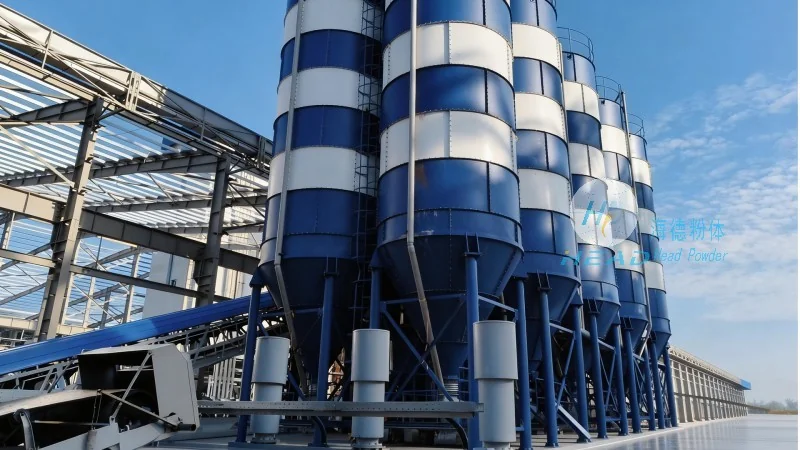
Despite its benefits, negative pressure conveying has several limitations that may affect its suitability for certain metal silicon applications. The primary drawback is its limited conveying distance and capacity. Due to the vacuum pressure limitations, these systems are generally suitable for short to medium distances, typically ranging from a few meters to a few hundred meters. This constraint can be a significant limitation for large-scale metal silicon processing facilities that require long-distance transport. Another disadvantage is the higher susceptibility to air leaks and system inefficiencies. Any breach in the vacuum seal can lead to reduced suction power and potential material loss, requiring more frequent maintenance and system checks. Furthermore, negative pressure systems may be less effective in handling bulk materials or materials with high moisture content, as the vacuum may not be sufficient to maintain a stable flow under such conditions.
Overview of Positive Pressure Conveying
Positive pressure conveying, or pressure conveying, operates by blowing material through a pipeline using compressed air or gas. This method is characterized by higher pressure levels compared to negative pressure systems, enabling it to transport materials over longer distances and handle larger volumes. The positive pressure environment ensures that material is continuously pushed through the system, reducing the risk of clogging and ensuring a consistent flow rate. In metal silicon applications, positive pressure conveying is often preferred for handling coarse or bulk materials, as it can effectively transport larger particles without the need for fine adjustment of system parameters.
Advantages of Positive Pressure Conveying for Metal Silicon
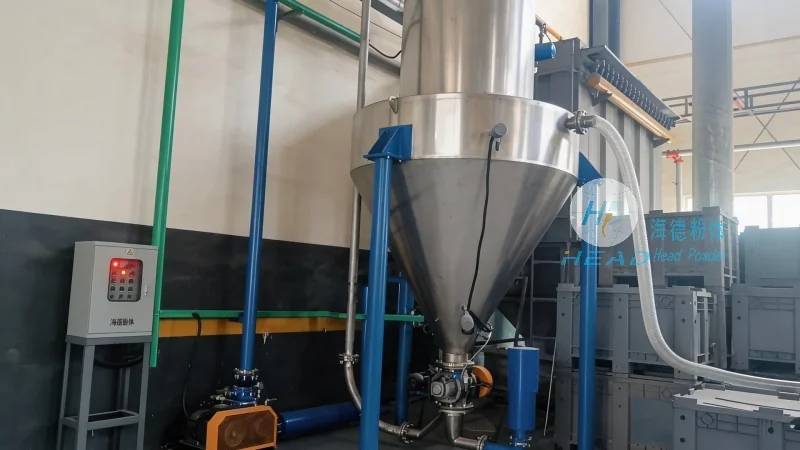
The most significant advantage of positive pressure conveying is its ability to handle longer conveying distances and larger material volumes. By maintaining higher pressure levels, these systems can transport metal silicon over distances of several hundred meters to even kilometers, making them ideal for large-scale industrial operations. The continuous pressure ensures that material is consistently pushed through the pipeline, reducing the risk of stagnation and material buildup that can lead to clogging or equipment damage. Additionally, positive pressure systems are generally more robust and less prone to air leaks compared to negative pressure systems, as the higher pressure helps maintain system integrity. This results in lower maintenance requirements and increased operational reliability. For metal silicon processing facilities that require high throughput and long-distance transport, positive pressure conveying offers a more efficient and reliable solution.
Disadvantages of Positive Pressure Conveying
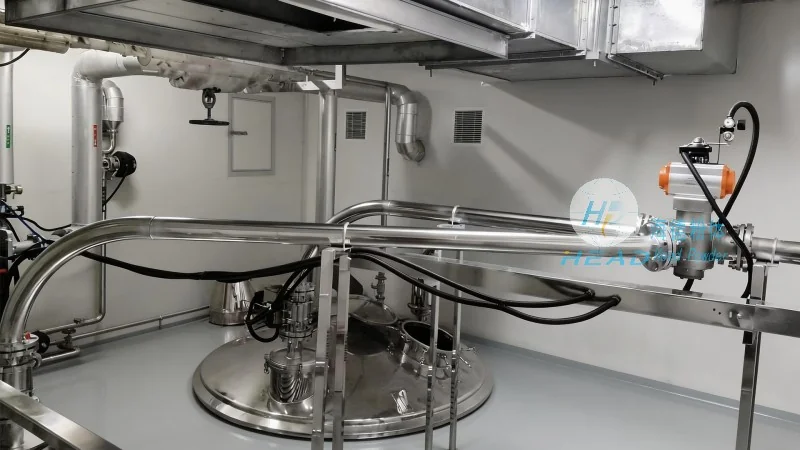
While positive pressure conveying offers several advantages, it also comes with notable drawbacks that may impact its suitability for metal silicon applications. The primary disadvantage is the higher energy consumption and operational costs associated with maintaining higher pressure levels. Compressed air systems require significant power to generate and maintain the necessary pressure, leading to increased electricity bills and operational expenses. Another drawback is the potential for material degradation due to the high-pressure environment. The force exerted by the compressed air can cause particle attrition or breakage, affecting the quality of metal silicon and potentially impacting downstream processing steps. Furthermore, positive pressure systems may be more susceptible to system blockages if the material contains large agglomerates or moisture, as the high pressure can cause these particles to become lodged in the pipeline. This requires additional equipment, such as rotary valves or filters, to prevent clogging and ensure smooth operation.
Comparison and Selection Criteria
When deciding between negative pressure and positive pressure conveying for metal silicon, several factors must be considered to determine the most appropriate system. The first consideration is the distance and volume requirements of the conveying operation. For short distances and small volumes, negative pressure conveying may be sufficient and cost-effective. However, for long-distance or high-volume transport, positive pressure conveying is generally more suitable. The material characteristics of metal silicon also play a crucial role in the selection process. Fine or abrasive materials may benefit from the gentle handling of negative pressure systems, while coarse or bulk materials may require the higher pressure and capacity of positive pressure systems. Additionally, the facility layout and available space can influence the choice, as negative pressure systems may require more space for vacuum generation and collection equipment. The cost of installation and maintenance is another critical factor. Negative pressure systems typically have lower initial costs due to simpler design, but may require more frequent maintenance due to air leaks and system inefficiencies. Positive pressure systems, while more expensive initially, may have lower long-term maintenance costs due to their robust design and reduced susceptibility to leaks.