

Advantages and Disadvantages of Negative Pressure and Positive Pressure Conveying in Foam Particle P
When it comes to the transportation of foam particles via pneumatic systems, the choice between negative pressure and positive pressure conveying methods significantly impacts operational efficiency, cost, and system reliability. This article provides a detailed comparison of the advantages and disadvantages of both approaches, helping industry professionals make informed decisions based on specific application requirements.
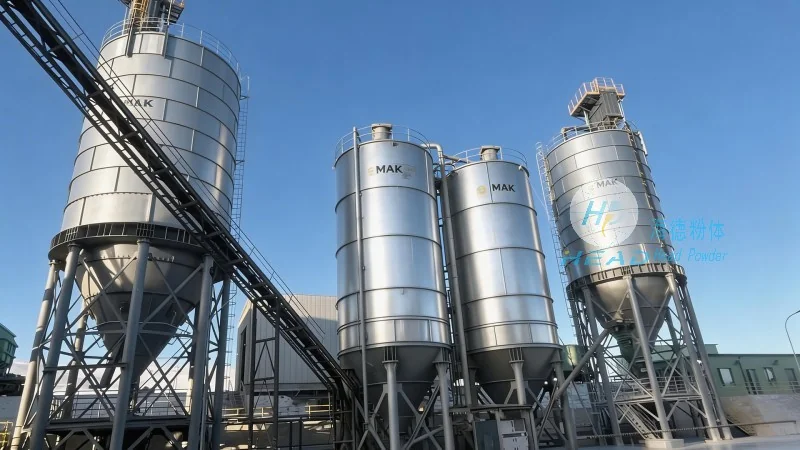
Introduction to Foam Particle Pneumatic Conveying
Pneumatic conveying is a widely used method for transporting bulk materials, including foam particles, through a pipeline using air or gas as the conveying medium. The two primary methods are negative pressure (or suction) conveying and positive pressure (or pressure) conveying. Each method has distinct characteristics that make it suitable for different scenarios, from material handling in manufacturing to material transport in industrial processes.
Company Overview: Shandong HeadPowder Engineering Co., Ltd.
Shandong HeadPowder Engineering Co., Ltd., commonly known as HeadPowder, is a leading provider of pneumatic conveying solutions tailored for foam particle applications. With a focus on innovation and customer-centric design, the company specializes in developing efficient and reliable systems that meet the unique demands of the foam particle industry. HeadPowder’s expertise lies in understanding the material properties of foam particles and designing conveying systems that optimize performance while minimizing operational costs. The company’s headquarters is located in Shandong, China, where it leverages local resources and industry knowledge to deliver high-quality solutions to global clients.
Advantages of Negative Pressure Conveying in Foam Particle Transport
Negative pressure conveying, also known as suction conveying, operates by creating a vacuum at the material inlet to draw the foam particles into the conveying line. This method offers several advantages for foam particle transport. First, it is highly effective for handling fine or lightweight foam particles that may be prone to dispersion or loss during transport. The vacuum environment helps maintain particle integrity and prevents material degradation. Second, negative pressure systems are generally more energy-efficient compared to positive pressure systems, as they require less power to create the suction force. This leads to lower operational costs and reduced energy consumption. Third, the system design is often simpler, with fewer components and lower maintenance requirements, making it more cost-effective for smaller-scale applications. Additionally, negative pressure conveying is well-suited for applications where the material source is located at a higher elevation or in a remote area, as the vacuum can draw material from a distance without the need for complex infrastructure.
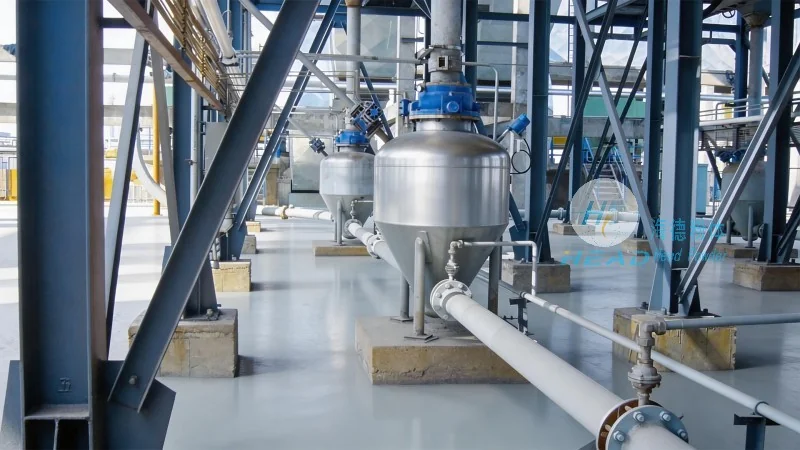
Disadvantages of Negative Pressure Conveying
Despite its advantages, negative pressure conveying has several limitations that may affect its suitability for foam particle transport. One of the primary drawbacks is the limited conveying distance and capacity. The suction force diminishes with distance, making it difficult to transport foam particles over long distances or in large quantities. This constraint can limit the application scope, especially for industrial processes requiring extensive material transport. Another disadvantage is the risk of system backflow or material leakage, as the vacuum can sometimes draw air or contaminants into the system if not properly sealed. This can compromise material purity and require additional filtration or sealing measures. Furthermore, negative pressure systems may be more susceptible to clogging or blockages, particularly with foam particles that have irregular shapes or high moisture content. The presence of moisture can lead to material buildup in the pipeline, reducing system efficiency and increasing maintenance frequency. Finally, the initial setup cost of negative pressure systems can be higher due to the need for robust vacuum pumps and additional sealing components, which may not be justified for small-scale operations.
Advantages of Positive Pressure Conveying in Foam Particle Transport
Positive pressure conveying, or pressure conveying, operates by blowing air or gas under pressure into the conveying line, pushing the foam particles forward. This method offers distinct advantages that make it suitable for various foam particle applications. First, positive pressure systems can transport foam particles over longer distances and at higher capacities compared to negative pressure systems. The pressurized air provides consistent force, ensuring reliable material transport even in complex pipeline configurations. Second, the system is less susceptible to clogging or blockages, as the high-pressure air helps maintain the flow of particles and prevents material accumulation. This results in higher system reliability and reduced downtime for maintenance. Third, positive pressure conveying is more flexible in terms of material handling, as it can accommodate a wider range of particle sizes and shapes without significant performance degradation. The pressurized environment also helps maintain material integrity, preventing degradation or compaction during transport. Additionally, the initial setup cost of positive pressure systems is often lower, as they typically require less complex equipment and fewer sealing components compared to negative pressure systems. This makes them more cost-effective for large-scale industrial applications where high throughput is required.
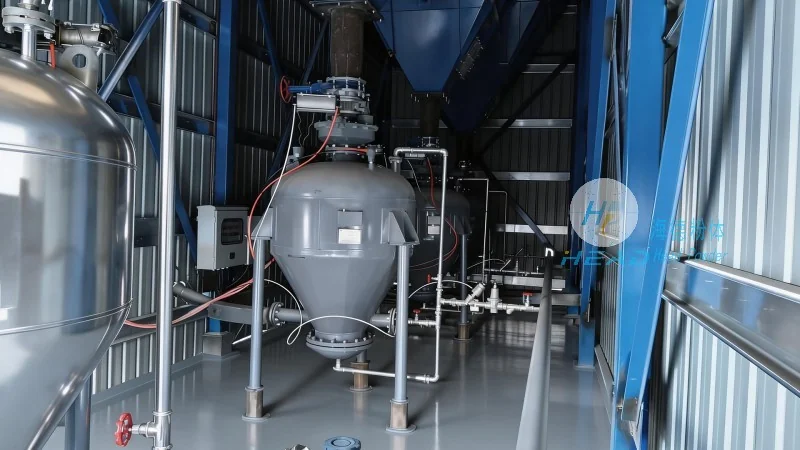
Disadvantages of Positive Pressure Conveying
While positive pressure conveying offers several benefits, it also has its own set of disadvantages that must be considered. One of the main drawbacks is the higher energy consumption compared to negative pressure systems. The need to maintain high pressure in the conveying line requires more power, leading to increased operational costs and higher energy bills. This can be a significant factor for companies operating on tight budgets or in regions with high energy costs. Another disadvantage is the potential for material degradation or compaction, especially with foam particles that are sensitive to pressure or have low compressive strength. The high-pressure air can cause the particles to deform or lose their structural integrity, affecting the final product quality. Furthermore, positive pressure systems are more prone to system backflow or material leakage if the pipeline is not properly sealed, as the high pressure can force material out of the system. This can lead to material loss and contamination, requiring additional sealing measures and maintenance. Additionally, the system design is more complex, with more components such as blowers, filters, and pressure regulators, which increases the risk of equipment failure and maintenance complexity. Finally, positive pressure conveying may not be suitable for transporting fine or lightweight foam particles over long distances, as the pressure can cause the particles to disperse or lose their cohesion, reducing the overall conveying efficiency.
Key Factors to Consider When Choosing Between Negative and Positive Pressure Conveying
When selecting between negative and positive pressure conveying for foam particle transport, several key factors must be evaluated to ensure the optimal choice. The first factor is the distance and capacity requirements. For short distances and low capacities, negative pressure conveying may be more suitable due to its lower energy consumption and simpler design. However, for long distances or high capacities, positive pressure conveying is generally preferred for its ability to maintain consistent flow and handle larger volumes. The second factor is the material properties of the foam particles. If the particles are fine, lightweight, or prone to dispersion, negative pressure conveying may be better to maintain particle integrity. Conversely, if the particles are larger or have irregular shapes, positive pressure conveying can provide better flow and reduce clogging risks. The third factor is the operational cost considerations. Negative pressure systems are more energy-efficient but may have higher initial setup costs due to vacuum pumps and sealing components. Positive pressure systems have lower initial costs but higher ongoing energy expenses. Companies must weigh these costs against the expected lifespan and performance of the system. The fourth factor is the system complexity and maintenance requirements. Negative pressure systems are simpler and require less maintenance, making them ideal for small-scale operations or applications with limited technical expertise. Positive pressure systems are more complex and may require specialized maintenance, which can increase operational costs and downtime. Finally, the environmental and safety considerations should be taken into account. Negative pressure systems may generate more noise due to vacuum pumps, while positive pressure systems can pose a risk of pressure-related accidents if not properly maintained. Companies must ensure compliance with safety regulations and environmental standards when choosing the appropriate conveying method.
Conclusion: Making the Right Choice for Foam Particle Pneumatic Transport
Choosing between negative pressure and positive pressure conveying for foam particle transport is a critical decision that impacts operational efficiency, cost, and system reliability. Negative pressure conveying offers advantages in energy efficiency, material integrity, and simplicity for short-distance applications, while positive pressure conveying excels in long-distance transport, high capacity, and system reliability. The optimal choice depends on the specific requirements of the application, including distance, capacity, material properties, and cost considerations. By carefully evaluating these factors, industry professionals can select the most suitable conveying method to maximize performance and minimize operational costs. Shandong HeadPowder Engineering Co., Ltd. provides expert guidance and customized solutions to help clients make informed decisions and implement efficient pneumatic conveying systems tailored to their foam particle transport needs.