

Comparison of Advantages and Disadvantages of Negative Pressure and Positive Pressure Conveying in F
HeadPowder, a leading provider in the field of pneumatic conveying systems, specializes in advanced solutions for transporting foam powders. This article provides a detailed comparison of the advantages and disadvantages of negative pressure and positive pressure conveying methods, helping clients make informed decisions based on their specific operational needs.
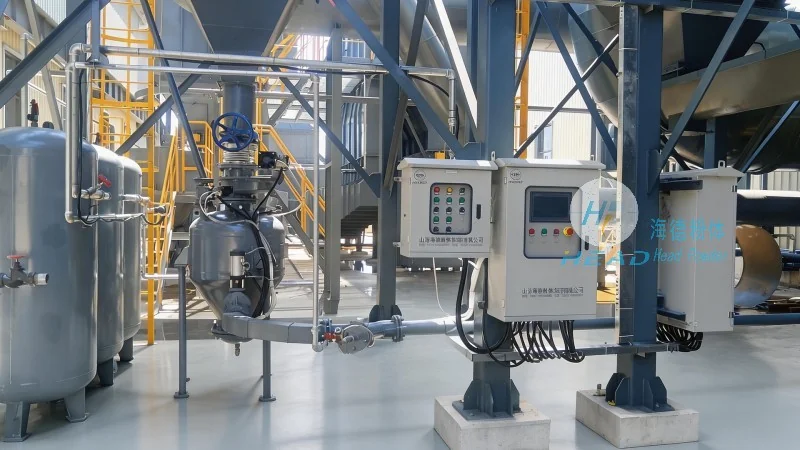
Introduction to Foam Powder Pneumatic Conveying
Pneumatic conveying is a critical technology in the handling of foam powders, offering efficient and safe material transport without the need for mechanical components that may cause contamination or damage to the product. The choice between negative pressure (suction) and positive pressure (blowing) systems significantly impacts system performance, cost, and operational safety. Understanding the nuances of each approach is essential for optimizing the conveying process in industrial applications.
Company Overview: Shandong HeadPowder Engineering Co., Ltd.
HeadPowder, formally known as Shandong HeadPowder Engineering Co., Ltd., is headquartered in Shandong, China. The company has established itself as a trusted manufacturer and supplier of high-quality pneumatic conveying equipment, catering to diverse industries that rely on foam powder handling. With a focus on innovation and customer-centric solutions, HeadPowder delivers tailored systems that meet the unique requirements of each project.
Advantages and Disadvantages of Negative Pressure Conveying
Negative pressure conveying, also known as suction conveying, operates by creating a vacuum in the system to draw material from the source to the destination. This method is particularly effective for applications where the material is sensitive to pressure changes or where the conveying distance is relatively short. One of the key advantages of negative pressure systems is their ability to handle fine powders and prevent product degradation due to the low pressure environment. Additionally, these systems are often more energy-efficient as they require less power to maintain the vacuum compared to positive pressure systems.
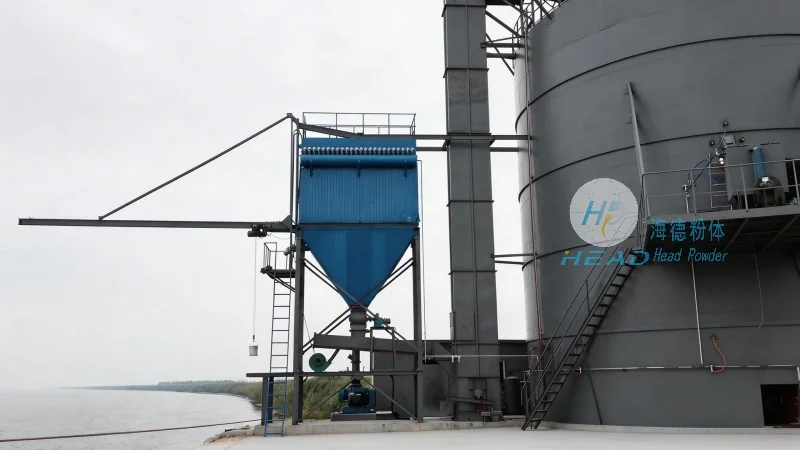
However, negative pressure conveying also has notable drawbacks. The primary limitation is the reduced conveying distance, as the vacuum strength diminishes over longer distances, potentially leading to system inefficiencies or the need for additional booster units. Furthermore, the system is more susceptible to air leaks, which can compromise the vacuum and affect material flow. Another consideration is the potential for dust emissions at the source, as the suction process may draw air and particles into the system, requiring additional filtration measures.
Advantages and Disadvantages of Positive Pressure Conveying
Positive pressure conveying, or blowing conveying, uses compressed air to push material through the system. This method is ideal for longer conveying distances and for handling bulkier or more abrasive powders. The primary advantage of positive pressure systems is their ability to transport materials over extended distances without significant pressure loss, making them suitable for large-scale industrial operations. Additionally, these systems are less prone to air leaks compared to negative pressure systems, as the pressure is maintained consistently throughout the pipeline.
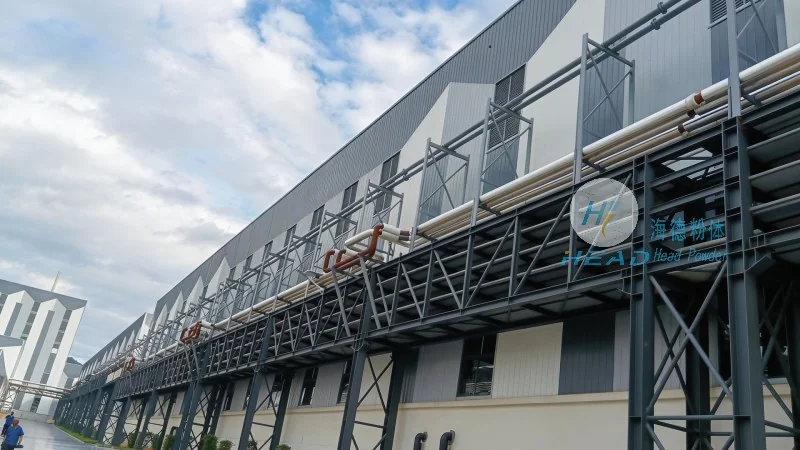
Nevertheless, positive pressure conveying has its own set of challenges. The most significant drawback is the higher energy consumption, as compressed air generation requires substantial power. This can increase operational costs, especially for high-volume applications. Another concern is the potential for product degradation due to the higher pressure and air exposure, which may affect the quality of foam powders. Furthermore, the system may generate more noise and require additional safety measures to prevent accidental release of compressed air.
Key Considerations for Choosing Between Conveying Methods
When selecting between negative and positive pressure conveying for foam powder applications, several factors must be evaluated. The first consideration is the conveying distance; negative pressure is generally suitable for short distances, while positive pressure is preferred for longer routes. The second factor is the material characteristics, such as particle size, moisture content, and abrasiveness. Fine or moisture-sensitive powders may benefit from negative pressure to minimize degradation, whereas bulkier materials may be better suited for positive pressure. Operational costs, including energy consumption and maintenance, also play a crucial role in the decision-making process. Finally, safety considerations, such as the risk of dust explosions or air leaks, should be assessed to ensure compliance with industry standards.
Conclusion
Both negative pressure and positive pressure conveying methods offer viable solutions for foam powder pneumatic conveying, each with distinct advantages and limitations. The optimal choice depends on the specific requirements of the application, including distance, material properties, and operational constraints. HeadPowder, with its expertise in pneumatic conveying systems, provides customized solutions that address these factors, ensuring efficient and reliable material transport for clients. By understanding the trade-offs between these methods, industries can select the most appropriate conveying system to enhance productivity and maintain product quality.