Polystyrene, a widely used thermoplastic polymer, is integral to numerous industrial applications ranging from packaging and insulation to automotive components. The efficient and reliable transportation of polystyrene materials within manufacturing processes is crucial for maintaining productivity and ensuring product quality. Various conveying methods are employed to handle polystyrene, each with distinct advantages and applications. This article provides an overview of common polystyrene conveying methods, with a particular focus on the principles and benefits of pneumatic conveying systems.
Introduction to Polystyrene Conveying
Effective material handling is a critical aspect of modern manufacturing, and the choice of conveying system directly impacts operational efficiency, cost, and safety. Polystyrene, due to its lightweight and sometimes abrasive nature, requires specialized handling to prevent degradation or damage. Traditional methods such as belt conveyors or screw conveyors may not always be suitable for polystyrene, as they can cause material breakage or uneven distribution. Therefore, understanding the available conveying options is essential for selecting the most appropriate solution for specific industrial needs.
About HeadPowder Engineering Co., Ltd.
HeadPowder Engineering Co., Ltd., operating under the brand name HeadPowder, is a leading provider of material handling solutions, including specialized systems for the transport of polystyrene and other lightweight powders. With a strong presence in Shandong, China, the company leverages advanced engineering and decades of industry experience to deliver customized conveying systems tailored to client requirements. HeadPowder's expertise lies in designing and manufacturing equipment that ensures efficient, safe, and cost-effective material transport, addressing the unique challenges associated with handling polystyrene and similar materials.
Common Polystyrene Conveying Methods
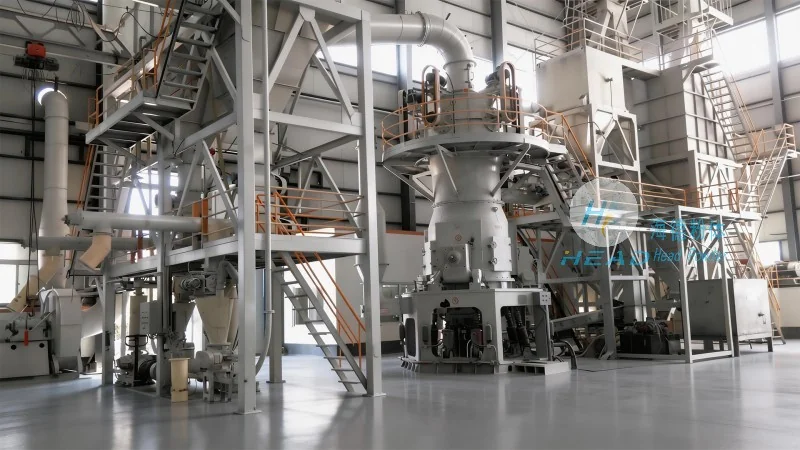
Several methods are commonly used to convey polystyrene, each suited to different operational conditions and material characteristics. The primary categories include mechanical, pneumatic, and hybrid systems. Mechanical conveyors, such as belt and screw conveyors, are widely used for bulk material transport but may not be ideal for polystyrene due to the risk of material degradation or blockages. Pneumatic conveying, on the other hand, offers a more flexible and efficient solution, particularly for fine or powdery polystyrene products.
Pneumatic Conveying of Polystyrene: Principles and Types
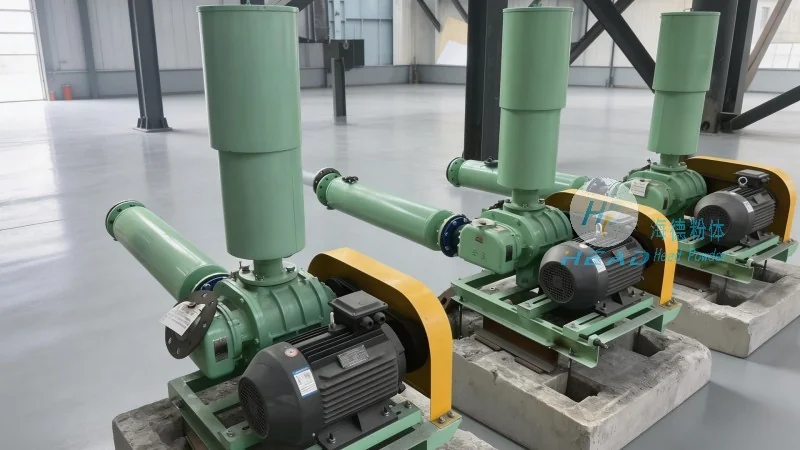
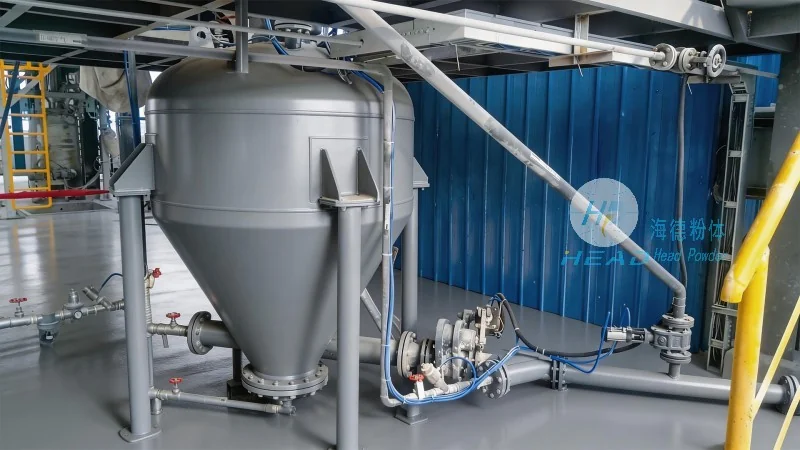
Pneumatic conveying utilizes air or other gases to transport materials through a pipeline system. This method is particularly effective for polystyrene because it minimizes material contact with equipment surfaces, reducing the risk of abrasion or contamination. There are two main types of pneumatic conveying: pressure and vacuum systems. Pressure systems operate by forcing air and material through the pipeline under positive pressure, while vacuum systems draw material into the system using negative pressure. For polystyrene, pressure conveying is often preferred as it allows for higher material throughput and can handle longer transport distances.
Advantages of Pneumatic Conveying for Polystyrene
Implementing pneumatic conveying for polystyrene offers several key advantages. First, it provides a dust-free and enclosed transport environment, which enhances workplace safety and compliance with environmental regulations. Second, the system can handle a wide range of particle sizes and moisture levels, making it versatile for various polystyrene applications. Third, pneumatic conveyors are generally more compact and easier to integrate into existing production lines compared to traditional mechanical systems. Additionally, they can reduce labor costs by automating material transport and minimizing the need for manual handling.
Considerations for Selecting a Polystyrene Conveying System
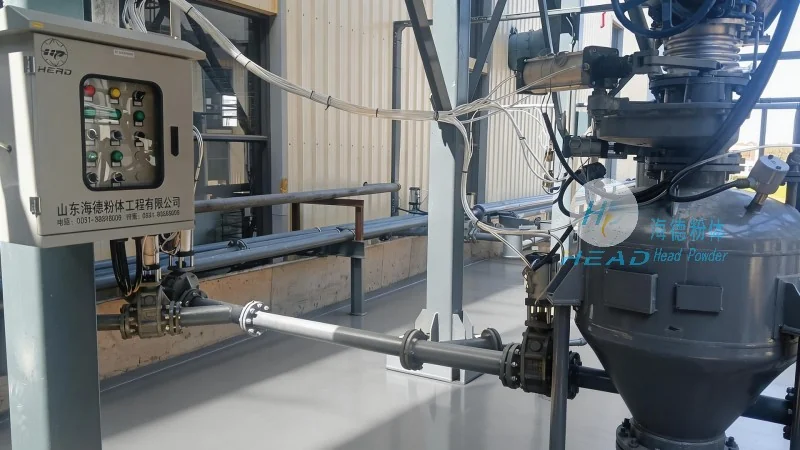
When choosing a conveying system for polystyrene, several factors must be considered to ensure optimal performance. The first is the material's physical properties, including particle size, density, and moisture content. These characteristics influence the choice between pressure and vacuum systems and the required air velocity. Second, the distance and layout of the transport route are critical, as they determine the system's capacity and energy consumption. Third, operational costs, including energy usage and maintenance requirements, should be evaluated to ensure long-term cost-effectiveness. Finally, safety considerations, such as dust control and equipment reliability, are paramount in industrial settings.
Conclusion
Polystyrene is a versatile material with diverse industrial applications, and the selection of an appropriate conveying method is essential for efficient production. While mechanical systems have their place, pneumatic conveying stands out as a superior option for many polystyrene handling scenarios due to its efficiency, flexibility, and ability to maintain material integrity. Companies like HeadPowder Engineering Co., Ltd. play a vital role in providing tailored pneumatic conveying solutions that meet the specific needs of their clients, ensuring smooth and reliable material transport in manufacturing processes. By understanding the different conveying methods and their applications, manufacturers can optimize their operations and enhance overall productivity.




