

Common Fly Ash Conveying Methods: An Introduction to Fly Ash Pneumatic Conveying
When it comes to transporting fly ash, selecting the right method is crucial for efficiency, safety, and cost-effectiveness. Fly ash, a byproduct of coal combustion, is widely used in construction and industrial applications, making reliable and efficient transportation systems essential. This article explores common fly ash conveying methods, with a focus on the advantages and applications of pneumatic conveying systems.
Understanding Fly Ash and Its Transportation Needs
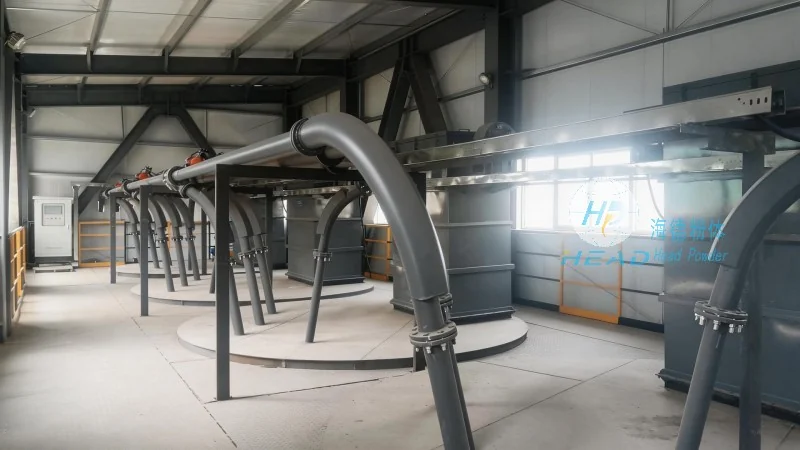
Fly ash, also known as fly ash, is a fine powder produced during the combustion of coal in power plants. It consists of microscopic particles that can be easily suspended in air. Due to its high volume and potential environmental impact, proper handling and transportation are critical. Traditional methods like belt conveyors or truck transport have limitations, especially when dealing with large quantities or long distances. This is where specialized systems like pneumatic conveying come into play.
Pneumatic Conveying: A Modern Solution for Fly Ash Transport
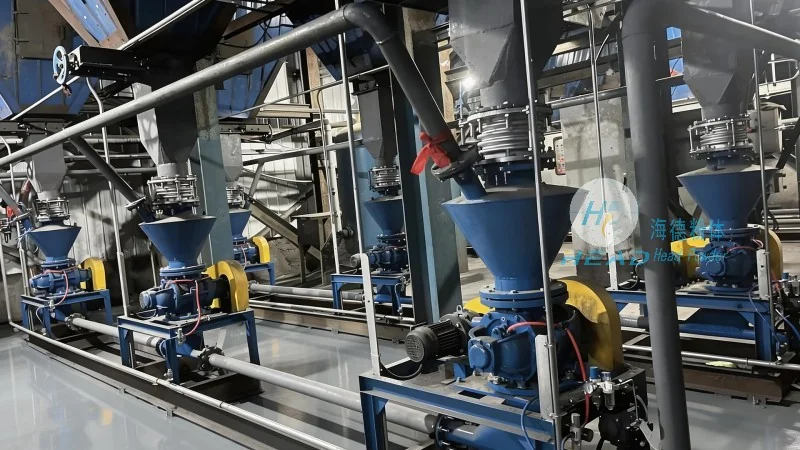
Pneumatic conveying is a technology that uses air pressure to move powders and granules through a pipeline. It offers several advantages over traditional methods, including the ability to transport fly ash over long distances, handle large volumes, and maintain a closed system to prevent dust emissions. The system typically consists of a hopper, a blower or compressor, and a pipeline network. The fly ash is fed into the hopper, and as air is introduced, it is carried through the pipeline to the destination, such as a storage silo or processing plant.
Key Components of a Fly Ash Pneumatic Conveying System
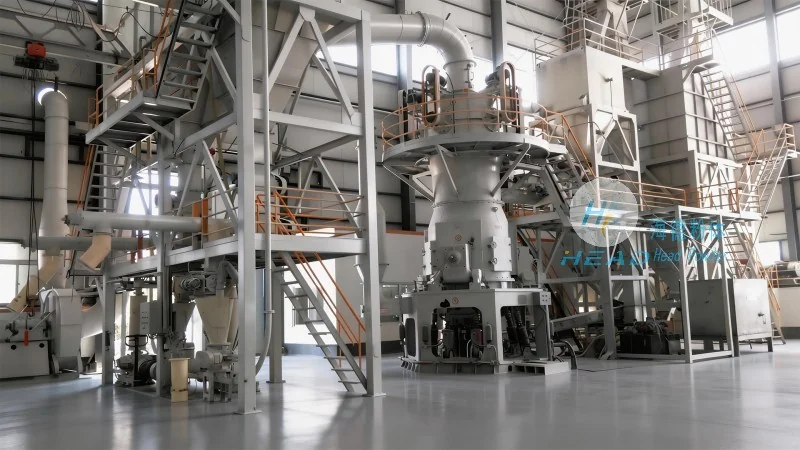
Several key components make up an effective fly ash pneumatic conveying system. The first is the hopper, which stores the fly ash and provides a controlled feed to the system. The hopper is designed to minimize dust generation and ensure a consistent flow of material. Next, the blower or compressor generates the air pressure needed to move the fly ash. The choice of equipment depends on the system's capacity and the distance to be covered. The pipeline network connects the hopper to the destination, with components like elbows, tees, and filters to ensure smooth operation and prevent blockages. Filters are essential to remove any remaining fly ash particles from the air, ensuring compliance with environmental regulations.
Advantages of Pneumatic Conveying for Fly Ash
There are several benefits to using pneumatic conveying for fly ash transport. One of the main advantages is the ability to transport fly ash over long distances without the need for intermediate storage or handling. This reduces the risk of material loss and contamination. Another benefit is the closed system, which prevents dust from being released into the environment, improving safety and reducing the need for dust control measures. Pneumatic conveying also allows for the integration of other processes, such as mixing or drying, within the system. Additionally, it can handle varying particle sizes and moisture content, making it versatile for different applications.
Applications of Fly Ash Pneumatic Conveying
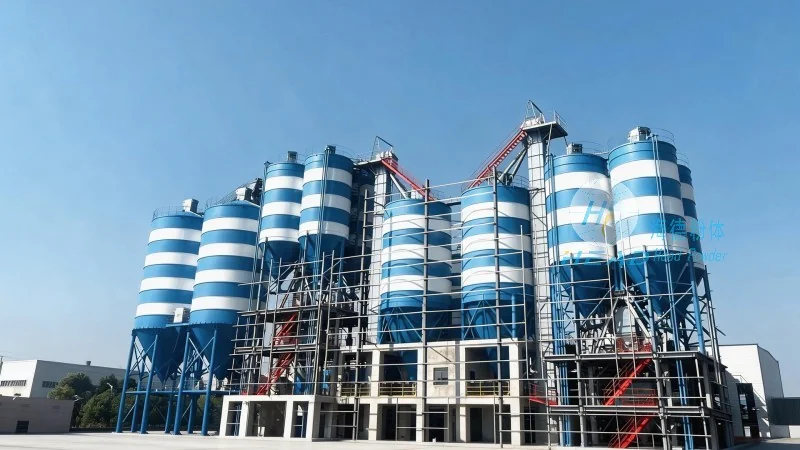
Fly ash pneumatic conveying systems are used in a variety of applications across different industries. In the construction industry, fly ash is commonly used as a supplementary cementitious material in concrete production. Pneumatic conveying allows for the efficient transport of fly ash from storage facilities to concrete mixing plants. In the power generation industry, fly ash is often transported from the boiler to storage silos or to other power plants for reuse. Additionally, in industrial processes, fly ash may be used as a raw material in the production of bricks, tiles, or other building materials. The versatility of pneumatic conveying makes it suitable for these diverse applications.
Choosing the Right Fly Ash Conveying System
When selecting a fly ash conveying system, several factors need to be considered. The first is the volume and distance of transport. For short distances and small volumes, a simple system with a blower and short pipeline may suffice. For long distances or large volumes, a more complex system with multiple hoppers and compressors may be required. The particle size and moisture content of the fly ash also play a role, as they affect the system's efficiency and maintenance requirements. Additionally, environmental regulations and safety standards must be considered, as the system must comply with local and national laws. Consulting with a specialized company like Shandong HeadPowder Engineering Co., Ltd. can help in selecting the most suitable system for specific needs.
Conclusion
Fly ash is a valuable resource with many applications, and efficient transportation is essential for its use. Pneumatic conveying offers a modern and effective solution for fly ash transport, with advantages over traditional methods. By understanding the key components and applications of pneumatic conveying systems, businesses can make informed decisions to improve their operations. Shandong HeadPowder Engineering Co., Ltd., with its expertise in fly ash handling and conveying systems, provides reliable solutions for the transportation of fly ash, ensuring efficiency, safety, and compliance with regulations.