Advantages and Disadvantages Comparison of Negative Pressure and Positive Pressure Conveying for Lim
Release time:2026-09-14 10:46:09
name of the company:Shandong Headpowder Engineering Co., Ltd.
telephone:156-6277-7102
contacts:Zhang manager
When it comes to the pneumatic conveying of limestone powder, the choice between negative pressure and positive pressure systems is a critical decision for industrial operations. Both methods have their unique characteristics, advantages, and limitations, which directly impact efficiency, cost, and operational safety. This article provides a detailed comparison of the advantages and disadvantages of negative pressure and positive pressure conveying in the context of limestone powder handling, helping industrial professionals make informed decisions for their specific applications.
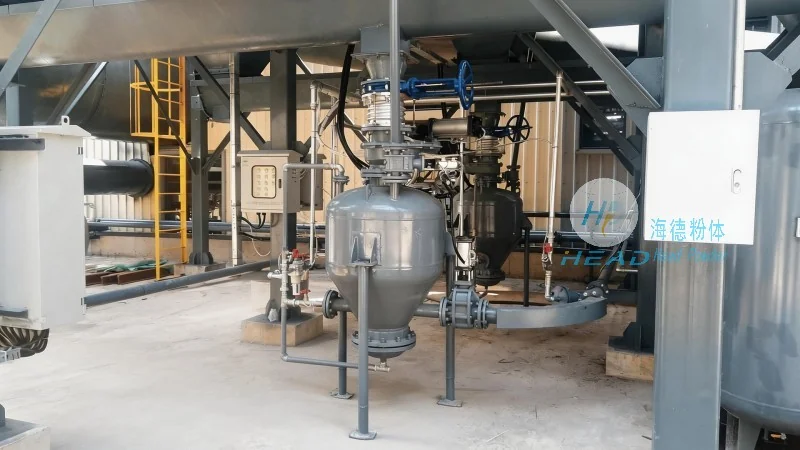
Introduction to Pneumatic Conveying Systems
Pneumatic conveying is a widely used method for transporting bulk materials like limestone powder through a pipeline using air or gas as the conveying medium. The two primary types are negative pressure (or suction) conveying and positive pressure (or pressure) conveying. Understanding the fundamental differences between these systems is essential before evaluating their pros and cons.
What is Negative Pressure Conveying?
Negative pressure conveying, also known as suction conveying, operates by creating a lower pressure in the conveying line compared to the ambient air pressure. This pressure differential draws the material from the source into the pipeline. The material is then carried by the air stream to the destination point, where it is separated from the air and discharged.
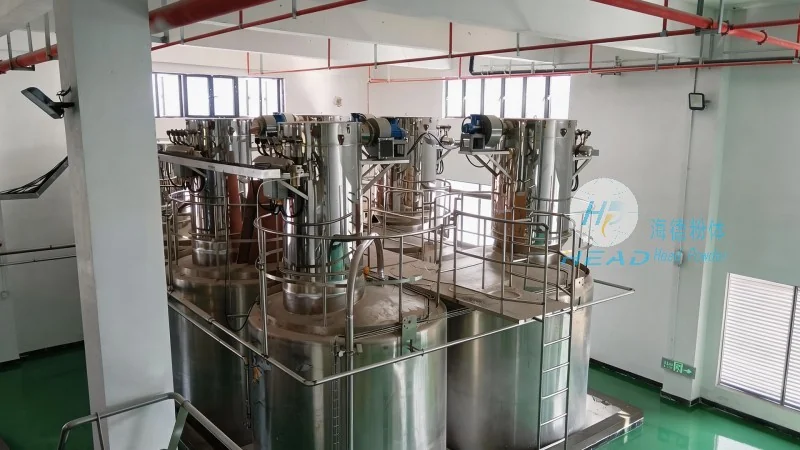
Advantages of Negative Pressure Conveying for Limestone Powder
1. Reduced Material Loss and Contamination: Negative pressure systems are often preferred for handling fine powders like limestone because they minimize material spillage and contamination during transfer. The enclosed suction process ensures that the material remains within the system, reducing the risk of dust exposure and environmental contamination.
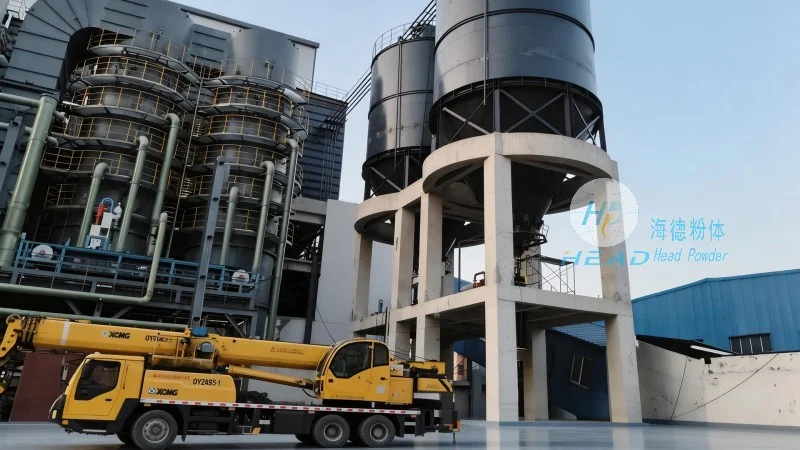
2. Lower Initial Investment and Maintenance Costs: Compared to positive pressure systems, negative pressure conveying typically requires less complex equipment and lower pressure components. This can lead to lower upfront capital expenditure and reduced maintenance requirements over the system's lifecycle.
3. Quiet Operation: Negative pressure systems generally operate more quietly than their positive pressure counterparts. The absence of high-pressure air compression reduces noise levels, making them suitable for applications where noise control is a priority.




