In the field of material handling, especially for high-calcium limestone powder, the choice between negative pressure and positive pressure pneumatic conveying systems is a critical decision for many industrial applications. This article, provided by Shandong HeadPowder Engineering Co., Ltd., located in Shandong, China, provides a detailed comparison of the advantages and disadvantages of both methods, helping industry professionals make informed decisions based on their specific operational needs.
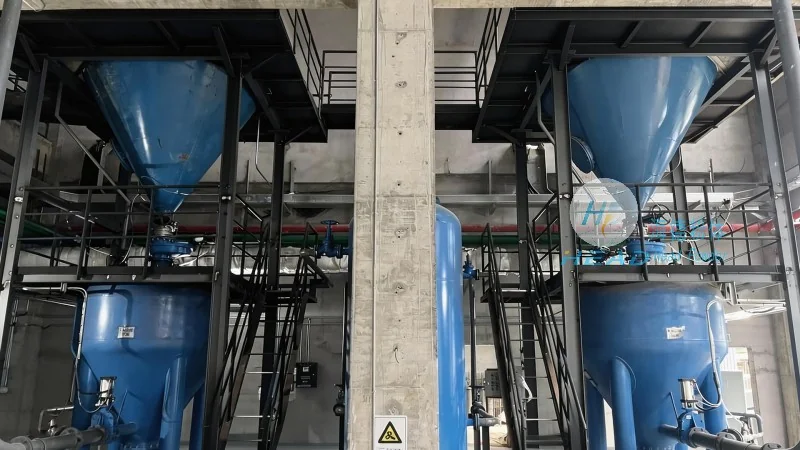
Introduction to Pneumatic Conveying Systems
Pneumatic conveying is a widely used technique for transporting bulk materials like high-calcium limestone powder over short to medium distances. It involves transporting particles through a pipeline using air or gas as the conveying medium. The two primary types of pneumatic conveying systems are negative pressure (or suction) and positive pressure (or pressure) systems. Each has distinct characteristics that influence their suitability for different applications.
Positive Pressure Conveying Systems
Positive pressure conveying systems operate by blowing air or gas into the conveying line, creating a pressure higher than the ambient air pressure. This method is often preferred for applications requiring the transport of materials over longer distances or through complex piping networks. The primary advantages of positive pressure systems include the ability to handle abrasive materials without significant wear on the system components, as the material is carried by the high-pressure air flow. Additionally, positive pressure systems can be more effective in preventing material degradation due to the controlled environment within the pipeline.
However, positive pressure systems also have notable disadvantages. They typically require more robust and expensive equipment, such as high-pressure blowers and more durable pipelines, to withstand the higher internal pressures. The higher energy consumption associated with maintaining the pressure also increases operational costs. Furthermore, positive pressure systems may pose safety concerns related to the release of pressurized air and the potential for dust explosions if not properly managed.
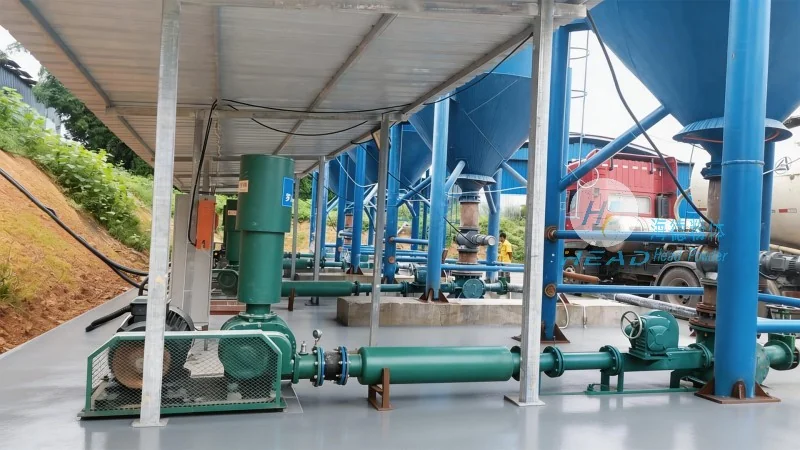
Negative Pressure Conveying Systems
Negative pressure, or suction, conveying systems work by creating a vacuum in the conveying line, drawing material from the source into the system. This method is commonly used for shorter transport distances and when the material is to be collected from a specific point, such as a silo or hopper. The main advantage of negative pressure systems is their lower initial cost and reduced energy consumption compared to positive pressure systems. They are also less likely to cause dust contamination in the surrounding environment, as the system draws material inward rather than expelling it.
Nevertheless, negative pressure systems have their own set of drawbacks. The primary limitation is the inability to handle highly abrasive or sticky materials effectively, as the suction process can lead to material buildup and blockages in the pipeline. Additionally, negative pressure systems are more susceptible to clogging and require more frequent maintenance to ensure smooth operation. The vacuum created can also pose safety risks if the system is not properly sealed or if there are leaks in the pipeline.
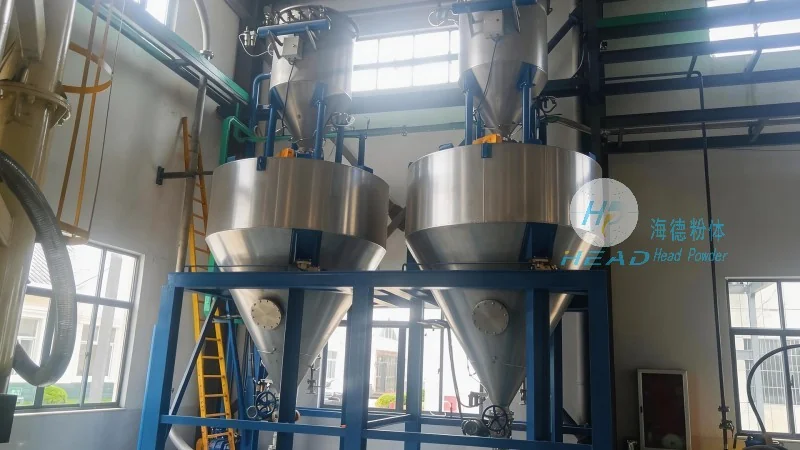
Key Considerations for Choosing Between Systems
When selecting between negative pressure and positive pressure conveying for high-calcium limestone powder, several factors must be considered. The distance of material transport is a critical factor; positive pressure systems are generally more suitable for longer distances, while negative pressure systems are better for shorter runs. The nature of the material itself, including its particle size, moisture content, and abrasiveness, also plays a significant role. For high-calcium limestone powder, which can be abrasive and have varying particle sizes, positive pressure systems may offer better performance in terms of preventing material degradation and ensuring consistent flow. However, if the application involves collecting material from a specific point and the distance is short, a negative pressure system might be more cost-effective.
Operational costs and energy efficiency are also important considerations. Positive pressure systems typically have higher energy costs due to the need for high-pressure blowers, whereas negative pressure systems are more energy-efficient but may require more maintenance. The environmental impact and safety considerations should not be overlooked. Positive pressure systems can potentially release dust into the environment if not properly sealed, while negative pressure systems draw material inward, reducing external dust emissions. However, both systems require proper ventilation and safety measures to mitigate risks.
Conclusion
In conclusion, the choice between negative pressure and positive pressure pneumatic conveying for high-calcium limestone powder depends on a variety of factors, including the distance of transport, material characteristics, operational costs, and safety requirements. Positive pressure systems offer advantages in handling abrasive materials and maintaining material quality over longer distances but come with higher costs and safety considerations. Negative pressure systems are more economical and safer in terms of dust control for shorter distances but are less suitable for abrasive or sticky materials. By carefully evaluating these factors, industrial operators can select the most appropriate conveying system to meet their specific needs and ensure efficient and safe material handling.




