When it comes to handling aluminum foil in industrial settings, selecting the appropriate pneumatic conveying system is crucial for ensuring efficiency, product integrity, and operational reliability. The choice of system directly impacts the overall performance of the aluminum foil handling process, making it essential to consider various factors such as material characteristics, production volume, and specific application requirements. This guide aims to help you navigate the selection process effectively, providing insights into the key considerations and the expertise of Shandong HeadPowder Engineering Co., Ltd. from China.
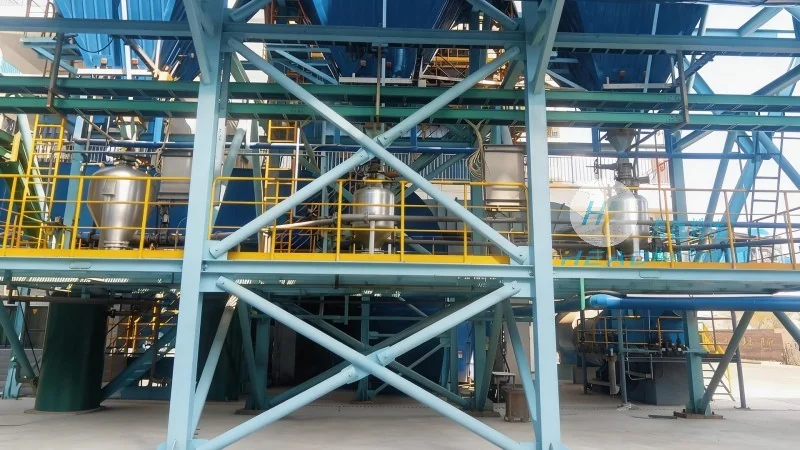
Understanding the Importance of Pneumatic Conveying for Aluminum Foil
Aluminum foil is a delicate material that requires careful handling to prevent damage, contamination, or degradation. Traditional methods like belt conveyors or manual handling may not be suitable due to the material's thinness and susceptibility to tearing or static buildup. Pneumatic conveying systems offer a non-contact, gentle method of transporting aluminum foil, preserving its quality while ensuring efficient movement. The right system can enhance productivity, reduce downtime, and minimize product loss, making it a critical investment for manufacturers in the aluminum foil industry.
Key Factors to Consider When Choosing a Pneumatic Conveying System
Several factors must be evaluated when selecting a pneumatic conveying system for aluminum foil applications. First, the material's physical properties, including density, flowability, and particle size, play a significant role. Aluminum foil, being lightweight and often in sheet or roll form, may require specialized equipment to handle its unique characteristics. Second, the production volume and throughput requirements determine the system's capacity and design. High-volume operations may necessitate larger, more robust systems, while smaller-scale applications might benefit from compact, modular solutions. Third, the system's ability to maintain product purity and prevent contamination is paramount. This includes considerations like air filtration, material separation, and the absence of metal or other contaminants that could affect the foil's quality. Finally, operational costs, including energy consumption, maintenance requirements, and system longevity, should be factored into the decision-making process.
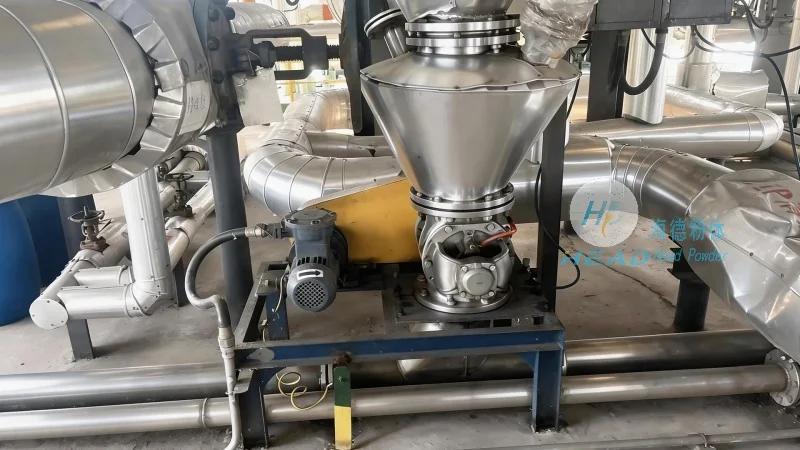
Types of Pneumatic Conveying Systems for Aluminum Foil
There are primarily two types of pneumatic conveying systems used for aluminum foil: positive pressure and negative pressure systems. Positive pressure systems, also known as pressure conveying, use a blower or compressor to push air and material through the system. This method is suitable for long-distance transport and handling of abrasive or heavy materials, but may not be ideal for very fine or delicate materials like aluminum foil due to the risk of material degradation or increased pressure on the system components. Negative pressure systems, or vacuum conveying, use a vacuum pump to draw material into the system. This approach is generally gentler on the material, making it more suitable for aluminum foil, as it reduces the risk of damage and maintains product integrity. The choice between these systems depends on the specific application, including the distance between the source and destination, the material's characteristics, and the required throughput.
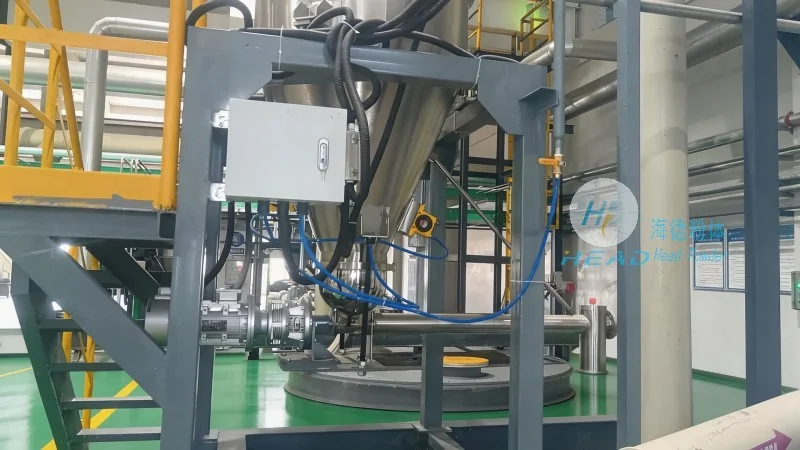
How Shandong HeadPowder Engineering Co., Ltd. Can Assist
Shandong HeadPowder Engineering Co., Ltd., a leading provider of pneumatic conveying solutions from China, offers comprehensive expertise and tailored systems for aluminum foil handling. With years of experience in the industry, HeadPowder understands the unique challenges associated with aluminum foil transportation and has developed specialized solutions to address them. The company's team of engineers and technicians works closely with clients to assess their specific needs, providing customized system designs that optimize performance and efficiency. HeadPowder's systems are engineered to handle the delicate nature of aluminum foil while ensuring high throughput and minimal product loss. The company's commitment to quality and customer satisfaction is reflected in its rigorous testing and maintenance protocols, ensuring that the systems deliver reliable performance over the long term.
Conclusion and Next Steps
Selecting the right pneumatic conveying system for aluminum foil handling is a critical decision that can significantly impact operational efficiency and product quality. By considering factors such as material properties, production volume, and system type, manufacturers can make informed choices that align with their specific requirements. Shandong HeadPowder Engineering Co., Ltd. stands ready to assist with expert guidance and tailored solutions, helping businesses in the aluminum foil industry achieve optimal performance and reliability. For more information or to discuss your specific aluminum foil handling needs, contact HeadPowder from China.




