When it comes to managing the transportation of potassium carbonate fertilizer, selecting the appropriate pneumatic conveying system is crucial for maintaining efficiency, safety, and product integrity. The unique properties of potassium carbonate, such as its granular structure, moisture sensitivity, and varying flow characteristics, demand a carefully considered approach to system selection. This article outlines key factors to consider when choosing a pneumatic conveying system for your potassium carbonate fertilizer handling process, with insights from industry leader Shandong HeadPowder Engineering Co., Ltd.
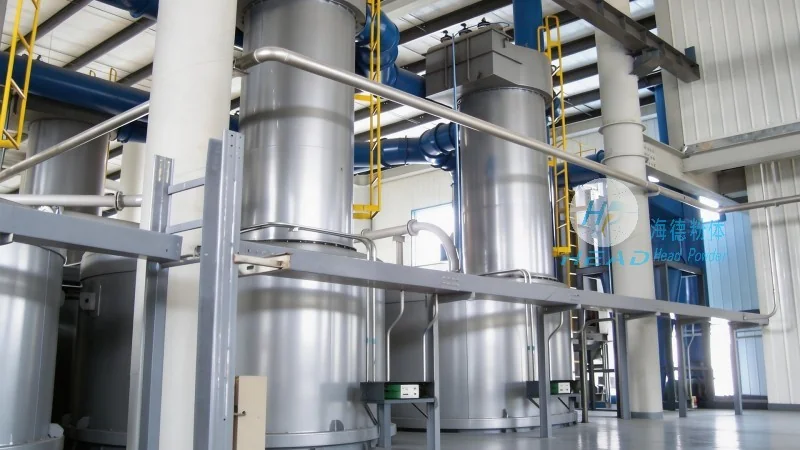
Understanding the Unique Challenges of Potassium Carbonate Fertilizer
Potassium carbonate fertilizer is a critical component in modern agricultural practices, known for its high potassium content and ability to enhance soil fertility. However, its physical properties present specific challenges for material handling. The granular nature of the fertilizer, often with a relatively fine particle size, can lead to issues like caking, bridging, and uneven flow if not handled properly. Additionally, potassium carbonate is hygroscopic, meaning it absorbs moisture from the air, which can affect its flowability and cause blockages in traditional conveyor systems. These characteristics make it essential to select a pneumatic conveying system that can accommodate the material's behavior while ensuring reliable and efficient transport.
Types of Pneumatic Conveying Systems and Their Suitability for Potassium Carbonate
Pneumatic conveying systems are broadly categorized into two main types: positive pressure (or pressure) systems and negative pressure (or vacuum) systems. Each type has distinct advantages and is better suited for different applications, particularly when dealing with potassium carbonate fertilizer.
Positive pressure systems use compressed air to push the material through the pipeline. These systems are generally more suitable for longer conveying distances and can handle a wider range of materials, including those with higher moisture content or abrasive properties. For potassium carbonate fertilizer, a positive pressure system may be preferred when transporting over significant distances or when integrating with existing compressed air infrastructure. However, they require robust seals and can generate higher noise levels, which may need to be managed in certain operational environments.
Negative pressure systems, on the other hand, use a vacuum to draw the material into the pipeline. These systems are often more suitable for shorter distances and can handle materials that are more prone to dust generation or require a cleaner environment. For potassium carbonate fertilizer, a negative pressure system may be advantageous when dealing with fine particles that could become airborne and cause dust issues. It also tends to be quieter and can be more energy-efficient for shorter transport routes. The choice between positive and negative pressure systems depends on factors such as the distance between the source and destination, the volume of material to be transported, and the specific handling requirements of the fertilizer.
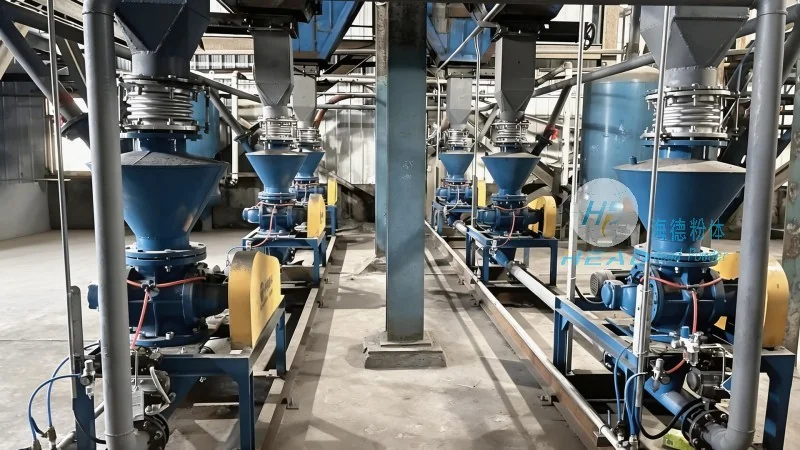
Key Factors to Consider When Selecting a Pneumatic Conveying System for Potassium Carbonate
Choosing the right pneumatic conveying system involves evaluating several critical factors to ensure optimal performance and longevity. These factors include the material's physical properties, the required conveying distance and flow rate, system efficiency, and maintenance considerations.
First, the physical characteristics of potassium carbonate fertilizer must be thoroughly analyzed. The particle size distribution, bulk density, and flowability are key indicators that influence system design. For example, if the fertilizer has a high proportion of fine particles, a system with better dust control and particle separation may be necessary to prevent clogging and maintain product quality. Shandong HeadPowder Engineering Co., Ltd. specializes in customizing pneumatic conveying solutions based on such material properties, ensuring that the system is optimized for the specific characteristics of potassium carbonate fertilizer.
Second, the conveying distance and required flow rate are critical. Longer distances may necessitate higher air velocities or additional boosters to maintain material transport, while higher flow rates may require larger diameter pipelines or more powerful air compressors. The system's capacity to handle the expected throughput without compromising efficiency is essential for maintaining production schedules and minimizing downtime.
Third, system efficiency and energy consumption are important considerations. A well-designed pneumatic conveying system should balance performance with energy use, reducing operational costs over time. Factors such as air pressure, pipeline design, and the use of efficient components can impact overall energy efficiency. Shandong HeadPowder Engineering Co., Ltd. employs advanced engineering techniques to design systems that maximize efficiency while minimizing energy consumption, contributing to lower operational costs for clients.
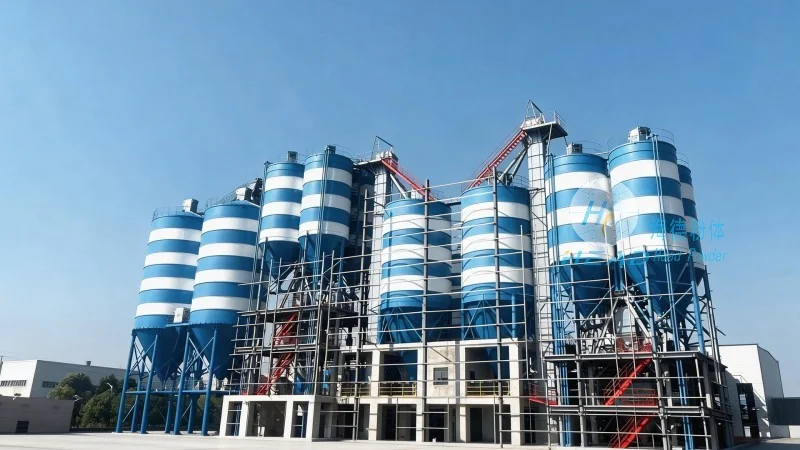
Fourth, maintenance and operational reliability are crucial for long-term system performance. The complexity of the system, ease of maintenance, and availability of spare parts all play a role in ensuring consistent operation. A system that is easy to clean, inspect, and repair can reduce downtime and maintenance costs. Shandong HeadPowder Engineering Co., Ltd. offers comprehensive support, including maintenance services and spare parts availability, to ensure that their pneumatic conveying systems operate reliably for years.
Customized Solutions from Shandong HeadPowder Engineering Co., Ltd.
For businesses dealing with potassium carbonate fertilizer, partnering with a specialized engineering company like Shandong HeadPowder Engineering Co., Ltd. can provide significant advantages. The company, based in Shandong, China, has extensive experience in designing and manufacturing pneumatic conveying systems tailored to the unique needs of fertilizer handling. Their expertise in material science and pneumatic technology allows them to develop customized solutions that address the specific challenges of potassium carbonate fertilizer, such as preventing caking, controlling dust, and ensuring consistent flow.
Shandong HeadPowder Engineering Co., Ltd. offers a range of services, from initial system design and engineering to installation and ongoing support. Their team of engineers works closely with clients to understand their operational requirements, material characteristics, and budget constraints, ensuring that the final system meets all needs effectively. The company's commitment to quality and customer satisfaction is reflected in their use of high-quality components and adherence to industry standards, providing clients with reliable and durable pneumatic conveying systems.
By leveraging the expertise of Shandong HeadPowder Engineering Co., Ltd., businesses can select and implement a pneumatic conveying system that optimizes the handling of potassium carbonate fertilizer, enhancing operational efficiency, reducing costs, and ensuring product quality. The company's focus on customization and support ensures that clients receive a solution that is not only effective but also tailored to their specific operational environment.




