

How to Choose the Right Pneumatic Conveying System for Your Desulfurization Gypsum Handling Process?
For industrial facilities involved in flue gas desulfurization (FGD), the handling and transportation of desulfurization gypsum present unique challenges. This material, often with high moisture content and abrasive properties, requires efficient and reliable transport solutions to maintain operational efficiency and minimize downtime. Traditional methods like belt conveyors or truck transport may struggle with the material's characteristics, leading to increased maintenance costs and operational inefficiencies. In such scenarios, pneumatic conveying systems emerge as a robust alternative, offering flexibility, cleanliness, and the ability to handle a wide range of material properties.
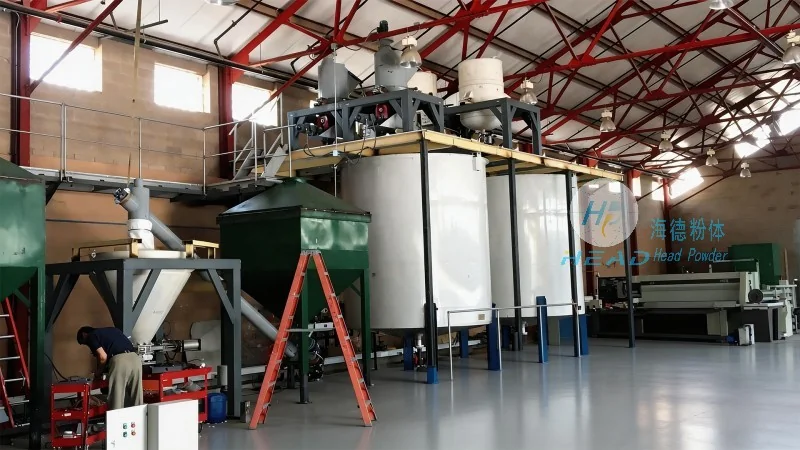
Key Considerations for Selecting a Pneumatic Conveying System
When evaluating pneumatic conveying systems for desulfurization gypsum applications, several critical factors must be considered to ensure optimal performance. First, the system's capacity and flow rate must align with the plant's production output and material handling requirements. This involves assessing the volume of gypsum to be transported per hour and selecting a system with sufficient air power and conveying line diameter to maintain consistent flow. Second, the material's physical properties, such as particle size distribution, moisture content, and bulk density, play a pivotal role in system design. For instance, fine or highly moisture-rich gypsum may necessitate specialized equipment like positive pressure or negative pressure systems, depending on the material's behavior under air pressure. Third, the system's integration with existing infrastructure is crucial. Companies must evaluate how the new conveying system will connect to current processing equipment, storage silos, or disposal sites, ensuring seamless operation without disrupting ongoing production. Additionally, factors like energy efficiency, maintenance requirements, and long-term operational costs should be weighed against the system's initial investment to achieve a balanced decision.
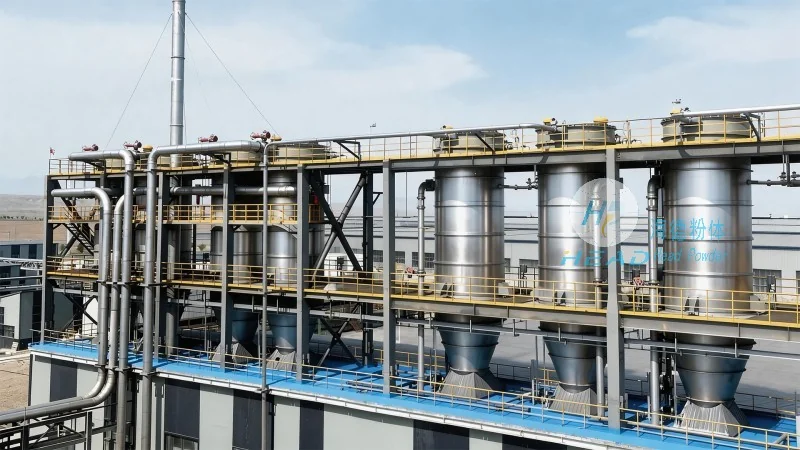
HeadPowder's Expertise in Pneumatic Conveying Solutions
Shandong HeadPowder Engineering Co., Ltd., a leading provider of industrial material handling solutions, brings extensive expertise to the design and implementation of pneumatic conveying systems tailored for desulfurization gypsum. With years of experience serving clients across various industries, HeadPowder understands the specific demands of FGD operations and has developed a comprehensive approach to system selection. The company's engineers work closely with clients to conduct thorough site assessments, analyze material characteristics, and recommend customized solutions that address both current and future operational needs. By leveraging advanced engineering principles and state-of-the-art technology, HeadPowder ensures that each pneumatic conveying system is optimized for efficiency, reliability, and cost-effectiveness. The company's commitment to quality and customer satisfaction is reflected in its rigorous testing protocols and post-installation support services, which help clients maximize the system's performance and lifespan.
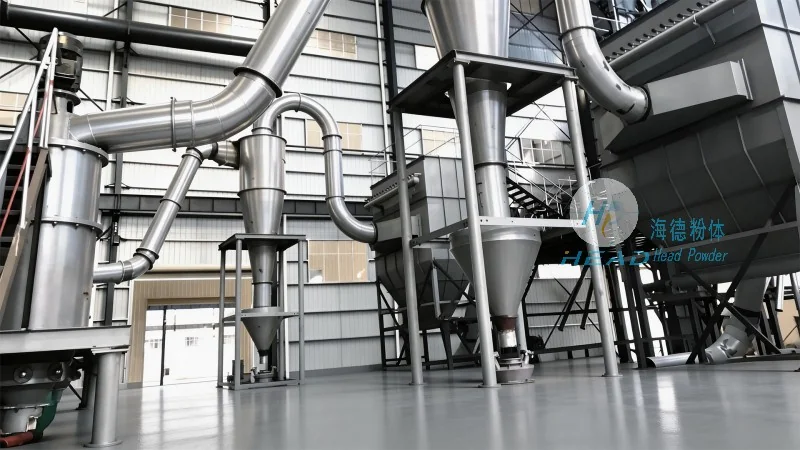
Customized System Design for Optimal Performance
HeadPowder's pneumatic conveying systems for desulfurization gypsum are designed with a focus on customization to meet the unique requirements of each project. The company offers a range of system configurations, including positive pressure, negative pressure, and hybrid systems, allowing clients to choose the most suitable option based on their specific material and operational constraints. For example, a positive pressure system may be preferred for applications requiring high material flow rates or long-distance transport, as it provides consistent air pressure to move the material through the conveying line. Conversely, a negative pressure system might be more appropriate for handling fine or dusty gypsum, as it reduces the risk of material leakage and maintains a clean working environment. Additionally, HeadPowder incorporates advanced features such as variable speed drives, pressure sensors, and automatic control systems to enhance system performance and reduce operational variability. These features enable precise control over material flow, minimize energy consumption, and improve overall system reliability. The company's engineers also consider factors like space constraints, environmental regulations, and safety standards when designing the system, ensuring compliance with local and international guidelines.
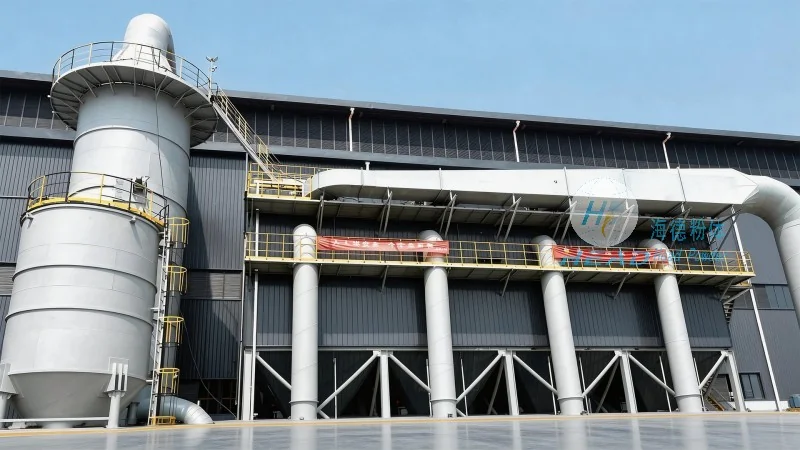
Benefits of Choosing HeadPowder's Pneumatic Conveying Systems
Implementing a pneumatic conveying system from HeadPowder offers numerous benefits for desulfurization gypsum handling operations. First, the system enhances operational efficiency by reducing downtime and maintenance costs. Unlike traditional conveyors, pneumatic systems are less prone to material buildup and blockages, as the material is continuously moved by air pressure, minimizing the risk of system failures. Second, the system improves safety by eliminating the need for manual handling of gypsum, which can be hazardous due to its dust content and potential for respiratory issues. The enclosed design of pneumatic systems also prevents dust emissions, contributing to a cleaner and healthier work environment. Third, HeadPowder's systems are designed for long-term durability, with high-quality materials and robust construction that withstand the abrasive nature of gypsum. This reduces the need for frequent repairs and replacements, resulting in lower total cost of ownership over the system's lifespan. Finally, the company's comprehensive support services, including installation, commissioning, and ongoing maintenance, ensure that clients receive the necessary assistance to maximize the system's performance and address any issues that may arise.