When it comes to managing clay handling processes in industrial settings, selecting the appropriate pneumatic conveying system is crucial for efficiency, cost-effectiveness, and operational reliability. The choice of system directly impacts the entire workflow, from raw material intake to processing and storage. This guide will walk you through the key considerations and steps to ensure you select the optimal pneumatic conveying system tailored to your specific clay handling needs.
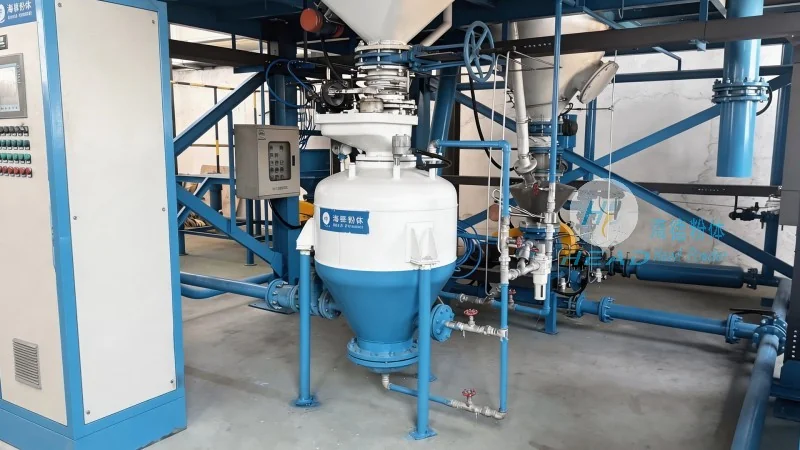
Understanding the Importance of Pneumatic Conveying for Clay Handling
Clay is a versatile material used in various industries, including ceramics, construction, and pharmaceuticals. Its handling requires specialized equipment due to its unique properties—such as high moisture content, variable particle size, and tendency to clump. Traditional methods like belt conveyors or bucket elevators may not be suitable for clay, as they can lead to material degradation, increased maintenance, and higher operational costs. Pneumatic conveying systems offer a more efficient and gentle method of transporting clay, preserving its quality and reducing the risk of contamination.
Key Factors to Consider When Choosing a Pneumatic Conveying System
Before selecting a pneumatic conveying system for your clay handling process, several critical factors must be evaluated. These factors ensure the system meets your operational requirements and delivers long-term performance. The primary considerations include:
1. Material Characteristics and Properties
The physical and chemical properties of the clay are paramount. Factors such as moisture content, particle size distribution, bulk density, and flowability directly influence the type of pneumatic conveying system suitable. For example, high moisture clay may require a system with better moisture control, while fine particles might necessitate a system with higher air velocity to prevent blockages. Understanding these characteristics helps in choosing between pressure or vacuum systems and the appropriate conveying line design.
2. System Capacity and Throughput Requirements
The volume of clay to be conveyed per hour or per day is a critical parameter. The system must be capable of handling the required throughput without bottlenecks or inefficiencies. Overloading the system can lead to reduced efficiency, increased energy consumption, and potential system failures. It is essential to assess your current and future production needs to select a system with adequate capacity. This includes evaluating the maximum and minimum flow rates required to ensure the system can adapt to varying production schedules.
3. Operating Environment and Space Constraints
The location and available space for the pneumatic conveying system play a significant role. Some systems require large horizontal or vertical spaces, while others can be compact and integrated into existing facilities. The operating environment, including temperature, humidity, and exposure to dust or chemicals, also impacts the system's design. For instance, systems in high-temperature environments may need heat-resistant components, while those in dusty areas might require enhanced filtration and sealing to prevent material loss and equipment damage.
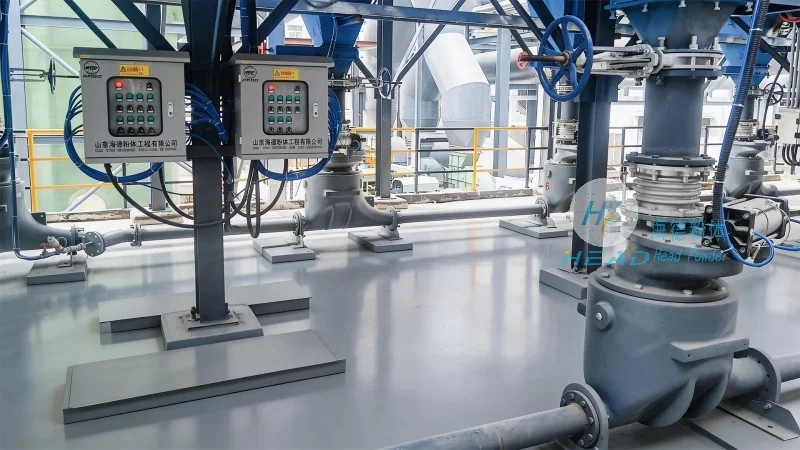
4. Energy Efficiency and Cost Considerations
Energy consumption is a major operational cost for pneumatic conveying systems. Selecting a system with optimal energy efficiency can significantly reduce long-term costs. Factors such as air pressure, compressor size, and system design impact energy usage. Additionally, the initial investment cost versus long-term operational savings should be considered. A well-designed system may have a higher upfront cost but lower maintenance and energy expenses over its lifespan.
Types of Pneumatic Conveying Systems for Clay Handling
There are two main categories of pneumatic conveying systems: pressure and vacuum. Each has distinct advantages and is suitable for different clay handling scenarios.
1. Pressure Pneumatic Conveying Systems
Pressure systems use compressed air to push the material through the conveying line. They are ideal for applications requiring high throughput and long-distance transport. These systems are typically more robust and can handle abrasive materials without significant wear. For clay handling, pressure systems are often preferred when transporting from a silo or storage area to processing equipment. They can maintain consistent flow rates and are less prone to blockages compared to vacuum systems. However, they require more powerful compressors and may have higher initial costs.
2. Vacuum Pneumatic Conveying Systems
Vacuum systems use suction to draw the material into the conveying line. They are suitable for applications where the material needs to be collected from multiple points or transported over shorter distances. These systems are generally more flexible and can handle materials with higher moisture content or larger particle sizes. Vacuum systems are often used for loading or unloading clay from trucks or containers. They are less energy-intensive than pressure systems but may have lower throughput and are more susceptible to blockages if not properly maintained.
Key Components of a Pneumatic Conveying System for Clay Handling
Regardless of the system type, several key components are essential for efficient clay handling. These components work together to ensure smooth material transport and system performance.
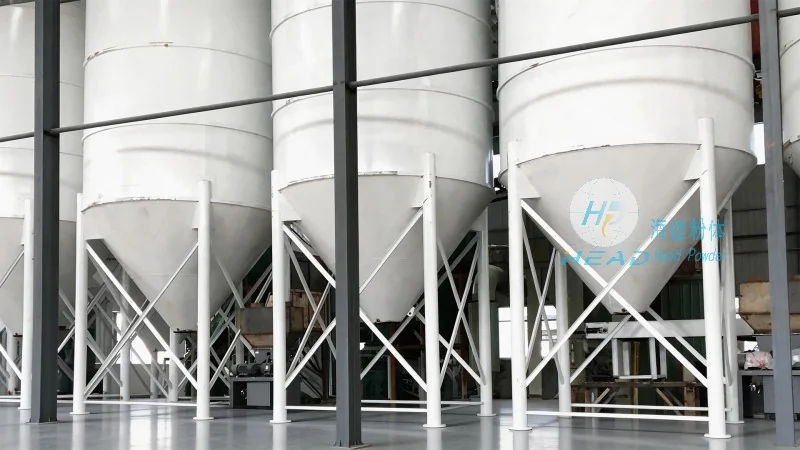
1. Hopper and Feeder
The hopper is the storage container where clay is held before being conveyed. It should be designed to prevent material bridging or caking, which can disrupt the flow. The feeder, typically a rotary valve or screw feeder, regulates the material discharge rate into the conveying line. Properly sized and maintained hoppers and feeders ensure consistent material supply and prevent system downtime.
2. Conveying Line and Tubing
The conveying line is the main component that transports the clay. The material is suspended in air and moved through the tubing. The choice of tubing material (e.g., stainless steel, PVC, or polyethylene) depends on the clay's properties and the operating environment. Stainless steel is preferred for its corrosion resistance and durability, especially in high-moisture or acidic clay applications. The diameter and length of the tubing are critical to maintaining the required air velocity and preventing blockages.
3. Air Compressor and Blower
The air compressor or blower provides the necessary pressure or vacuum to move the clay through the system. The type of compressor (e.g., rotary screw, reciprocating, or centrifugal) and its capacity must match the system's requirements. High-pressure systems use compressors that can generate pressures up to 10 bar or more, while vacuum systems use blowers with lower pressure but higher volume. Proper sizing of the compressor ensures optimal performance and energy efficiency.
4. Filters and Dust Collectors
Clay is a fine material that can generate dust during handling. Filters and dust collectors are essential to capture and remove airborne particles, ensuring a clean working environment and preventing material loss. These components are typically equipped with high-efficiency particulate air (HEPA) filters or bag filters. Regular maintenance of filters is crucial to avoid clogging and maintain system efficiency.
Choosing the Right Pneumatic Conveying System for Your Needs
Selecting the appropriate pneumatic conveying system for your clay handling process involves a systematic approach. Here are the steps to follow:
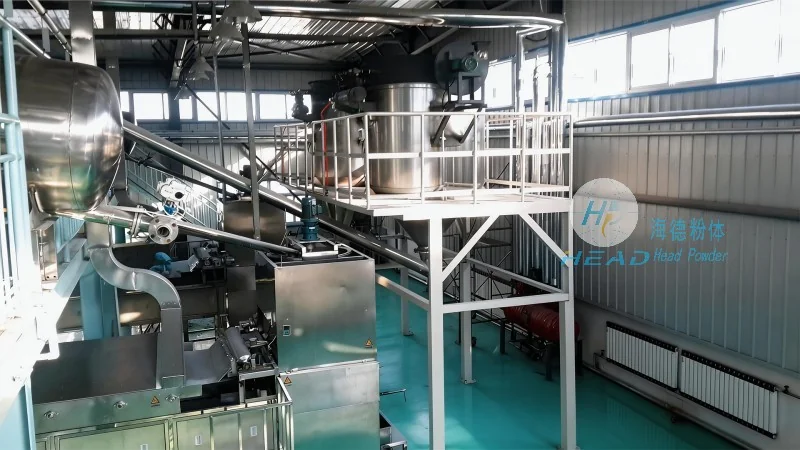
1. Conduct a Thorough Material Analysis
Begin by analyzing the clay's physical and chemical properties. This includes moisture content, particle size distribution, bulk density, and flowability. Engage with experts from companies like Shandong HeadPowder Engineering Co., Ltd. to get professional advice on the best system design. They can provide detailed reports and recommendations based on your specific material characteristics.
2. Evaluate System Capacity and Throughput
Assess your current and projected production volumes to determine the required system capacity. Consider peak and off-peak periods to ensure the system can handle fluctuations. Work with engineers to calculate the necessary air flow rates and pressure levels for your application.
3. Assess Operating Environment and Space
Identify the available space for the system installation and evaluate the operating environment. Consider factors such as temperature, humidity, and exposure to dust or chemicals. This will help in selecting the appropriate materials for components and the overall system design.
4. Compare System Options and Costs
Compare different pneumatic conveying system options based on their performance, energy efficiency, and cost. Evaluate both the initial investment and long-term operational costs. Consider factors such as maintenance requirements, component durability, and system reliability. Engage with manufacturers like Shandong HeadPowder Engineering Co., Ltd. to get detailed quotes and technical specifications.
5. Consider System Integration and Future Expansion
Ensure the chosen system can be integrated with your existing infrastructure and equipment. Also, consider future expansion needs. A well-designed system should allow for easy upgrades or modifications to accommodate increased production or changing material requirements.




