When it comes to managing fertilizer handling processes, selecting the appropriate pneumatic conveying system is crucial for efficiency, safety, and cost-effectiveness. The right system can significantly improve material flow, reduce downtime, and enhance overall operational performance. This guide will walk you through the key considerations and factors to evaluate when choosing a pneumatic conveying system tailored to your fertilizer handling needs.
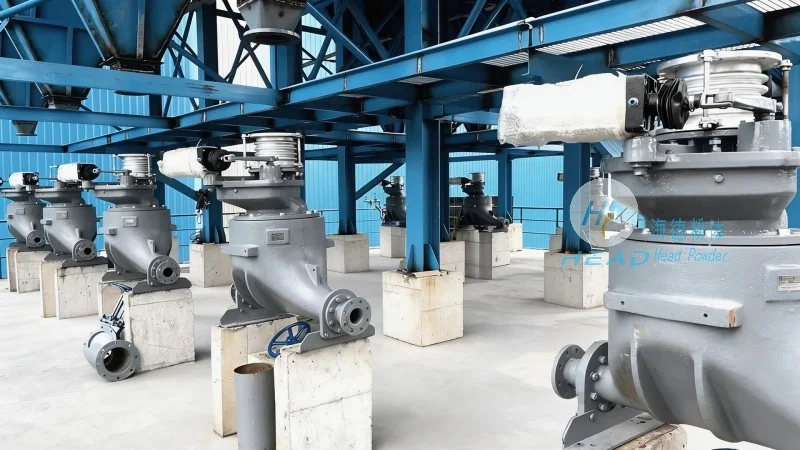
Understanding the Importance of Pneumatic Conveying in Fertilizer Handling
Pneumatic conveying systems are essential for transporting bulk materials like fertilizers, which often require specialized handling due to their granular or powdery nature. Unlike traditional mechanical systems, pneumatic conveyors use air to move materials, offering advantages such as reduced equipment wear, minimal product contamination, and the ability to handle a wide range of particle sizes and moisture contents. For fertilizer manufacturers and distributors, this technology ensures reliable and safe material transfer from storage to processing or packaging stages.
Key Factors to Consider When Selecting a Pneumatic Conveying System
Choosing the right pneumatic conveying system involves evaluating several critical factors that align with your specific fertilizer handling requirements. The first step is to assess the material characteristics, including particle size distribution, bulk density, and flowability. These properties directly impact the system's design, such as the type of air flow (positive or negative pressure) and the required conveying velocity. Additionally, consider the system's capacity and throughput needs, as well as the distance and layout of the conveying route. Environmental factors, like dust control and air filtration, are also vital to comply with safety regulations and maintain a clean working environment.
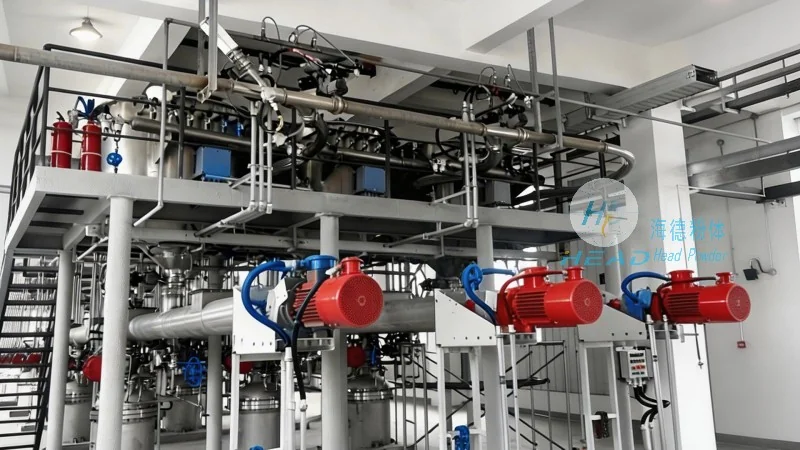
Types of Pneumatic Conveying Systems for Fertilizer Handling
There are primarily two types of pneumatic conveying systems used in fertilizer handling: positive pressure and negative pressure systems. Positive pressure systems, also known as pressure conveying, use a blower or compressor to push air and material through the pipeline. This method is suitable for long-distance or high-capacity applications and can handle abrasive materials with minimal wear. Negative pressure systems, or vacuum conveying, use a vacuum pump to draw material into the system. This approach is ideal for short-distance transfers and applications where dust containment is a priority, as it pulls material into the system rather than expelling it.
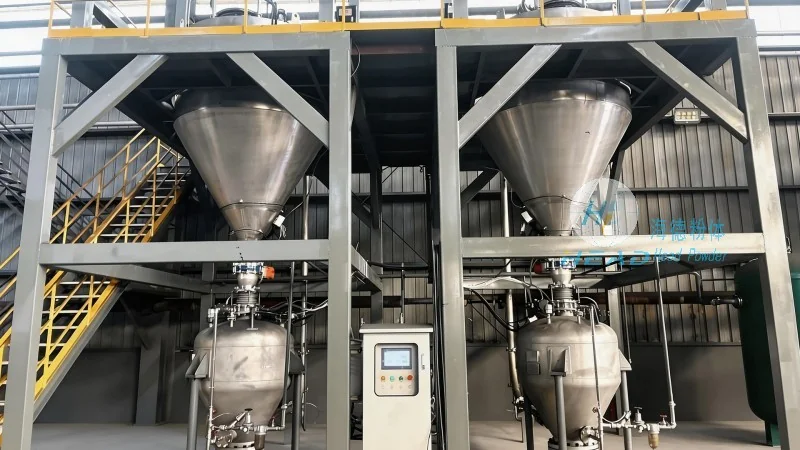
Customization and Integration with Existing Infrastructure
Many fertilizer handling facilities have existing infrastructure, such as silos, storage tanks, and processing equipment. A well-designed pneumatic conveying system should integrate seamlessly with these components to minimize disruption and maximize efficiency. Customization is key, as each fertilizer operation has unique requirements. For instance, the system may need to accommodate different fertilizer types, such as nitrogen, phosphorus, or potassium-based products, each with varying physical properties. Additionally, considerations like temperature control, moisture management, and product blending may require specialized system designs.
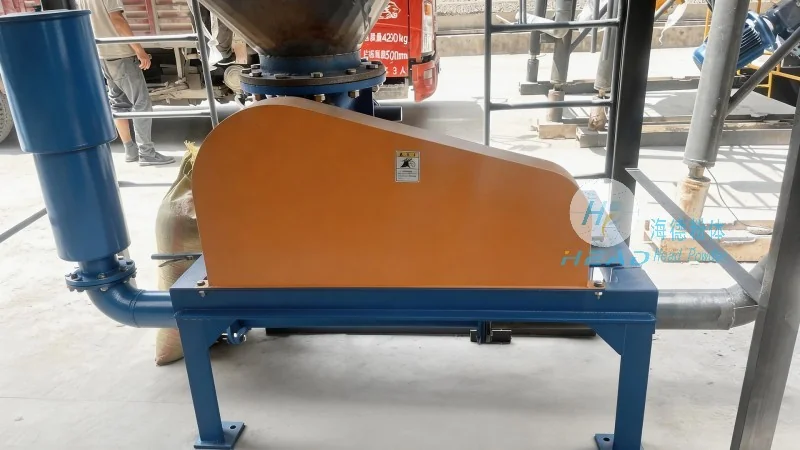
Reliability and Maintenance Considerations
Reliability is paramount in fertilizer handling, as downtime can lead to significant losses. When selecting a pneumatic conveying system, it's essential to evaluate the manufacturer's reputation for durability and ease of maintenance. Systems with robust components, such as high-quality air compressors, filters, and material separation equipment, are more likely to provide long-term performance. Regular maintenance, including filter changes, pipeline cleaning, and component inspections, is crucial to prevent system failures and ensure consistent operation. Partnering with a reputable manufacturer, like Shandong HeadPowder Engineering Co., Ltd., can provide access to expert support and maintenance services to keep the system running smoothly.
Conclusion: Choosing the Right System for Your Fertilizer Handling Needs
Selecting the appropriate pneumatic conveying system for your fertilizer handling process requires careful consideration of material characteristics, operational requirements, and long-term goals. By evaluating factors such as system type, capacity, and integration capabilities, you can ensure that the chosen solution meets your current and future needs. A reliable and well-designed system not only improves efficiency but also enhances safety and reduces operational costs. For businesses in the fertilizer industry, investing in the right pneumatic conveying technology is a strategic decision that can lead to improved productivity and competitive advantage.




