

Comparison of Negative Pressure and Positive Pressure Conveying for PVC in Pneumatic Conveying Syste
Polyvinyl chloride (PVC) is a widely used thermoplastic polymer in various industries, including construction, manufacturing, and packaging. The efficient handling of PVC powders and granules is crucial for maintaining production efficiency and product quality. Pneumatic conveying systems offer a reliable method for transporting these materials, and the choice between negative pressure and positive pressure conveying significantly impacts operational performance, cost, and safety. This article provides a detailed comparison of the advantages and disadvantages of negative pressure versus positive pressure conveying in PVC pneumatic systems.
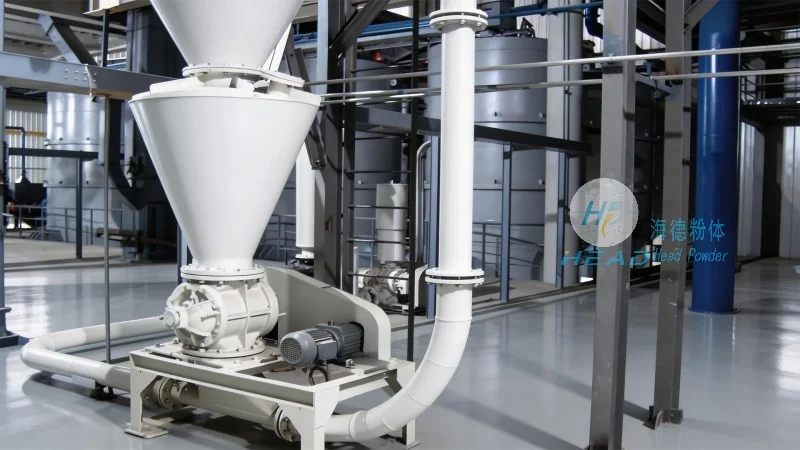
Negative Pressure Conveying in PVC Applications
Negative pressure conveying, also known as suction conveying, operates by creating a vacuum at the material inlet to draw the PVC particles into the system. This method is particularly suitable for applications where the material source is elevated or where dust containment is a priority. One of the key advantages of negative pressure systems is their ability to minimize dust emissions during material transfer, as the vacuum draws material into the pipeline without exposing it to the ambient air. Additionally, negative pressure conveying can handle materials with higher moisture content or those that are prone to caking, as the vacuum helps maintain material flow and prevents blockages.
However, negative pressure systems have several limitations. The primary drawback is the risk of backflow or contamination from the ambient air, which can affect the purity of the PVC product. The system also requires a robust vacuum pump and a well-sealed pipeline to maintain the vacuum, increasing initial investment and maintenance costs. Furthermore, the conveying distance and material throughput are often limited by the vacuum pump's capacity, making it less suitable for long-distance or high-volume applications.
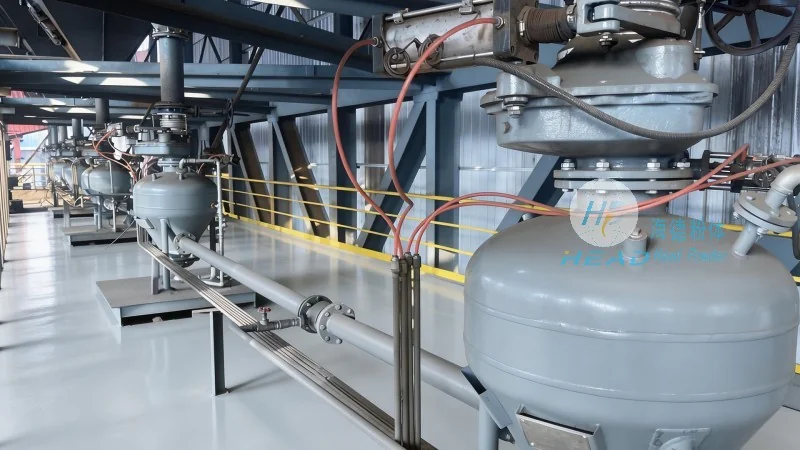
Positive Pressure Conveying in PVC Applications
Positive pressure conveying, or pressure conveying, works by pressurizing the material with air or other gases, forcing the PVC particles through the pipeline. This method is ideal for applications requiring high conveying rates, long distances, or where the material source is at ground level. A significant advantage of positive pressure systems is their ability to handle high material volumes and long distances efficiently. The pressurized air ensures consistent material flow, reducing the risk of blockages and improving overall system reliability. Additionally, positive pressure conveying can be integrated with other processes, such as drying or mixing, as the material remains in a controlled environment throughout the transfer.
Nevertheless, positive pressure systems have their own set of challenges. The main disadvantage is the higher risk of dust dispersion and contamination, as the pressurized air can release particles into the ambient environment. This requires additional dust control measures, such as filtration systems, which increase operational costs. Furthermore, positive pressure conveying may not be suitable for materials that are sensitive to air exposure or that have high moisture content, as the pressurized air can accelerate degradation or caking. The system also demands more powerful compressors and a more robust pipeline design to handle the higher pressure, leading to higher energy consumption and maintenance expenses.
Key Considerations for Choosing Between Negative and Positive Pressure Conveying
When selecting a pneumatic conveying system for PVC, several factors must be considered to optimize performance and cost. The choice between negative and positive pressure depends on the specific application requirements, including material characteristics, conveying distance, and environmental regulations. For example, if the PVC material is dusty and requires strict dust control, negative pressure conveying may be preferred despite its limitations in distance and throughput. Conversely, for high-volume, long-distance transfers where dust control is less critical, positive pressure conveying offers better efficiency.
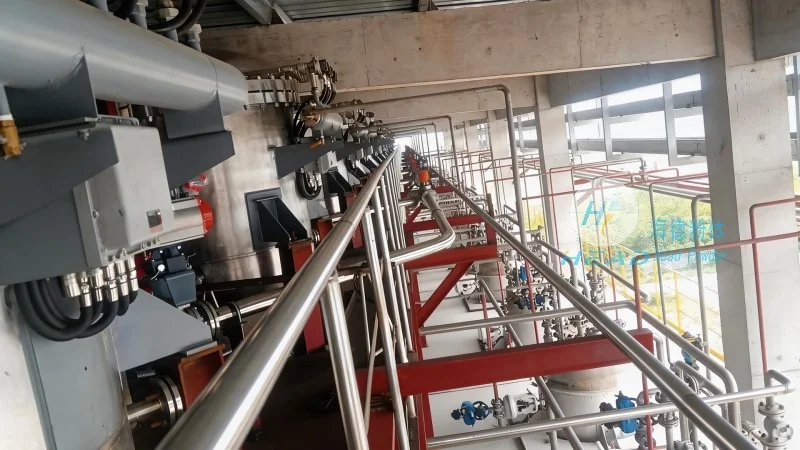
Another critical factor is the initial and operational costs. Negative pressure systems typically have lower energy consumption due to the vacuum pump's operation, but higher upfront costs for the vacuum pump and sealing components. Positive pressure systems, while more expensive initially for compressors and pipelines, may have lower maintenance costs due to simpler vacuum management. The choice also depends on the available space and infrastructure, as negative pressure systems often require more vertical space for the vacuum pump and pipeline layout.
Conclusion and Recommendations
Both negative pressure and positive pressure conveying systems offer viable solutions for PVC pneumatic conveying, each with distinct advantages and disadvantages. The optimal choice depends on the specific operational needs, material properties, and environmental considerations of the application. For applications prioritizing dust control and material purity, negative pressure conveying is recommended, despite its limitations in distance and throughput. For high-volume, long-distance transfers where efficiency is paramount, positive pressure conveying is the better option. Ultimately, a thorough evaluation of the system requirements and cost-benefit analysis is essential to select the most suitable conveying method for PVC applications.