Release time:2026-09-10 18:25:06
name of the company:Shandong Headpowder Engineering Co., Ltd.
telephone:156-6277-7102
contacts:Zhang manager
When it comes to transporting wheat flour, selecting the right conveying method is crucial for maintaining product quality, efficiency, and operational safety. Various techniques are available, each with its own advantages and applications. This article provides an overview of common wheat flour conveying methods, with a focus on the benefits and characteristics of pneumatic conveying systems.
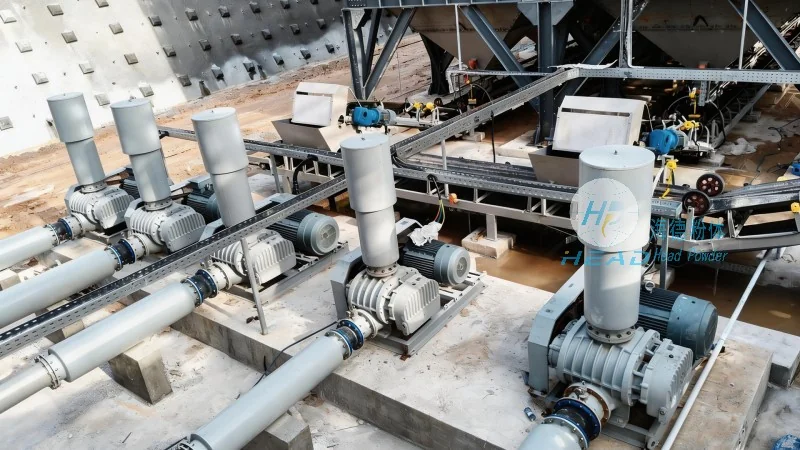
Understanding Pneumatic Conveying for Wheat Flour
Pneumatic conveying, also known as air conveying, is a widely used method for transporting dry bulk materials like wheat flour. This technology utilizes a stream of air to move flour through a pipeline system, eliminating the need for mechanical components such as belts or buckets. The process involves creating a pressure differential to draw or push the flour through the system, ensuring a continuous and controlled flow.
Key Advantages of Wheat Flour Pneumatic Conveying
One of the primary benefits of pneumatic conveying for wheat flour is its ability to maintain product integrity. Unlike mechanical systems that may cause friction or impact, pneumatic systems minimize particle damage, preserving the flour's texture and quality. Additionally, this method offers high efficiency in terms of space utilization and operational speed, making it suitable for large-scale flour processing facilities.
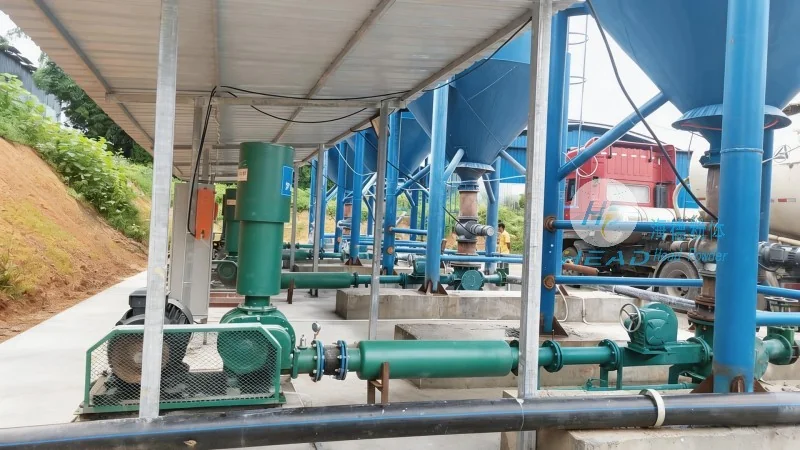
Components of a Wheat Flour Pneumatic Conveying System
A typical wheat flour pneumatic conveying system consists of several key components. These include a hopper for material storage, a rotary valve or feeder to control the flow rate, a conveying line (often made of stainless steel to prevent contamination), and a receiver or silo for the final product. The system may also incorporate air filters and pressure regulators to ensure optimal performance and air quality.
Types of Pneumatic Conveying Systems for Wheat Flour
There are two main types of pneumatic conveying systems used in wheat flour handling: pressure and vacuum systems. Pressure systems use compressed air to push the flour through the pipeline, while vacuum systems use a vacuum to draw the material. The choice between these systems depends on factors such as the distance to be covered, the required flow rate, and the specific characteristics of the flour being transported.
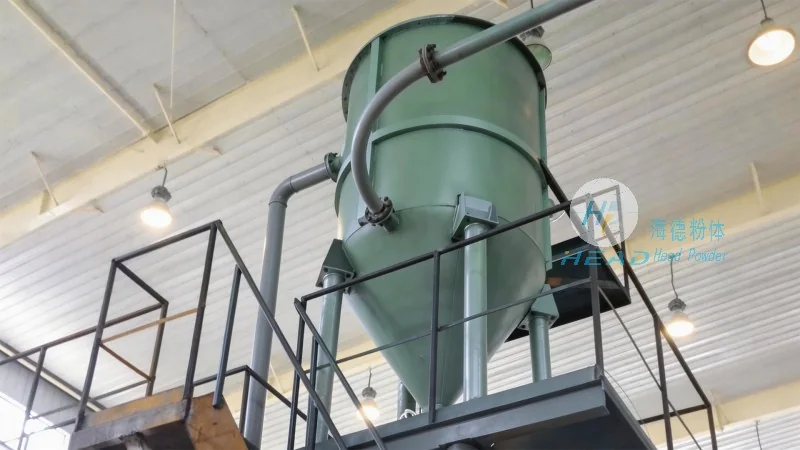
Applications and Use Cases
Wheat flour pneumatic conveying systems are commonly employed in various stages of flour production and distribution. For example, they are used to transfer flour from storage silos to milling equipment, move flour between processing lines, and transport finished products to packaging areas. The flexibility of pneumatic systems allows them to adapt to different operational requirements, making them a versatile solution for flour handling.
Operational Considerations and Maintenance
Proper operation and maintenance are essential for maximizing the efficiency and longevity of a wheat flour pneumatic conveying system. Regular cleaning of the conveying lines and filters is necessary to prevent clogging and maintain air quality. Additionally, monitoring pressure and flow rates helps ensure the system operates within optimal parameters, reducing the risk of product degradation or equipment failure.
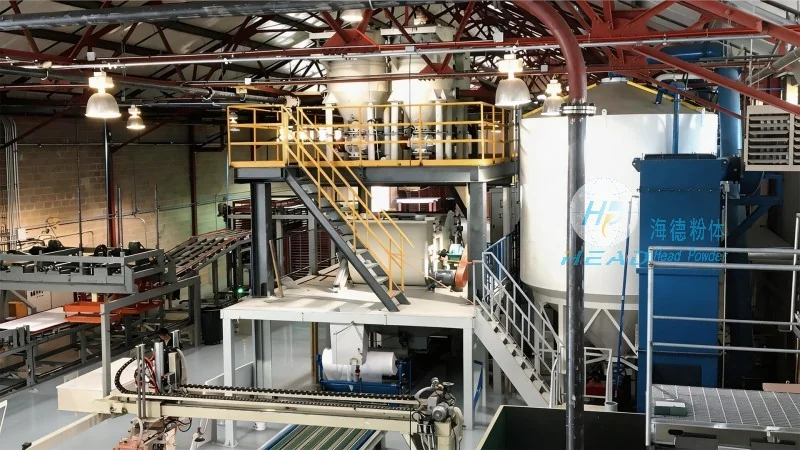
About Shandong HeadPowder Engineering Co., Ltd.
Shandong HeadPowder Engineering Co., Ltd., operating under the brand name headpowder, specializes in the design, manufacturing, and installation of advanced conveying systems for the food processing industry. With a focus on quality and innovation, the company provides customized solutions tailored to the specific needs of flour mills and processing facilities. HeadPowder's expertise in pneumatic conveying technology ensures reliable and efficient flour handling solutions for clients worldwide.
Contact Information
For more information about wheat flour pneumatic conveying systems or to learn how HeadPowder can assist with your flour handling needs, please contact our team. Our experienced professionals are ready to provide guidance and support to help you optimize your flour processing operations.




