When it comes to the efficient and reliable transportation of alloy powders, selecting the right conveying method is crucial for industrial applications. Alloy powders, often used in high-performance manufacturing processes, require specialized handling to maintain their quality and prevent contamination. This article explores common alloy powder conveying methods, with a focus on air-pneumatic conveying systems, and highlights the expertise of Shandong HeadPowder Engineering Co., Ltd. (referred to as HeadPowder) in providing advanced solutions for powder handling.
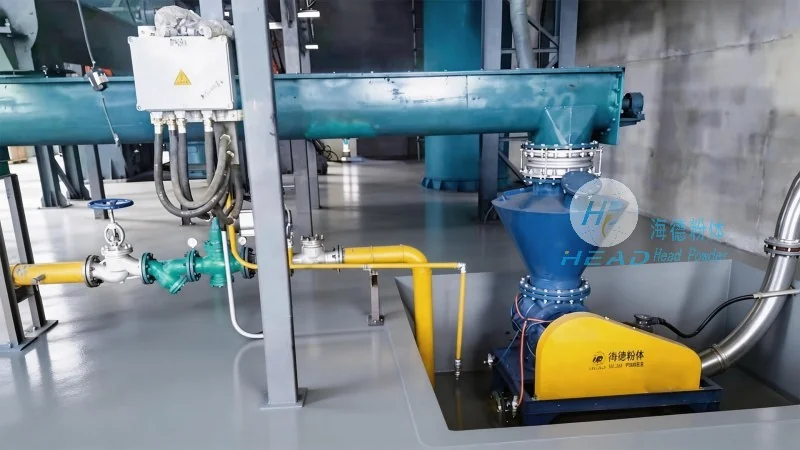
Understanding Alloy Powder Conveying: The Importance of Method Selection
Alloy powders are integral to various industries, including aerospace, automotive, and additive manufacturing. These materials are typically fine and can be sensitive to environmental factors, making their transport a critical step in production workflows. Conveying methods must ensure minimal degradation, consistent flow, and compliance with safety and quality standards. The choice of conveying system directly impacts production efficiency, material integrity, and overall operational costs.
Common Alloy Powder Conveying Methods
Several methods are employed for alloy powder transport, each with its own advantages and limitations. The primary categories include mechanical conveying systems, pneumatic conveying systems, and hybrid approaches. Mechanical systems, such as screw conveyors and belt conveyors, are widely used for bulk materials but may not be suitable for fine powders due to issues like caking and material degradation. Pneumatic conveying, particularly air-pneumatic systems, offers a more effective solution for alloy powders by utilizing air to transport particles through pipelines.
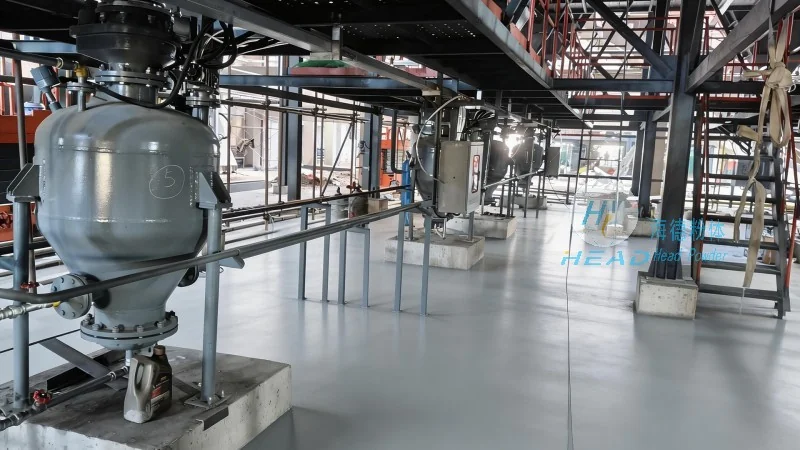
Air-Pneumatic Conveying: A Preferred Solution for Alloy Powders
Air-pneumatic conveying, also known as pneumatic transport, is a widely adopted method for handling alloy powders. This technology uses compressed air to create a flow that moves particles through a closed system. The process involves feeding the powder into a hopper, where it is then drawn into a pipeline by the air flow. Key advantages of air-pneumatic conveying include gentle handling, which preserves the powder's properties, and the ability to transport materials over long distances without the need for multiple transfer points. Additionally, this method is suitable for both dry and slightly moist powders, making it versatile for various alloy types.
Key Components of an Air-Pneumatic Conveying System
An effective air-pneumatic conveying system consists of several essential components. These include a hopper or feeder for material storage and feeding, a blower or compressor to generate the air flow, a pipeline network to transport the powder, and a receiver or collection unit at the destination. The hopper is designed to minimize material degradation by preventing agglomeration and ensuring a consistent feed rate. The blower provides the necessary pressure and flow rate to move the powder through the system. The pipeline is typically made of materials like stainless steel or plastic to prevent corrosion and maintain the purity of the alloy powder. The receiver is equipped with filters to capture any fine particles and ensure the material is delivered in a clean state.
Benefits of Air-Pneumatic Conveying for Alloy Powders
Implementing air-pneumatic conveying for alloy powders offers numerous benefits that enhance operational efficiency and material quality. One of the most significant advantages is the gentle handling of the powder, which reduces the risk of particle attrition and maintains the powder's size distribution and chemical composition. This is particularly important for high-value alloy powders, where even minor changes can affect performance. Another benefit is the ability to transport materials over long distances with minimal energy consumption compared to mechanical systems. Air-pneumatic systems also provide better control over the flow rate, allowing for precise dosing and integration with downstream processes. Furthermore, these systems are more hygienic and easier to clean, which is critical in industries where contamination control is paramount.
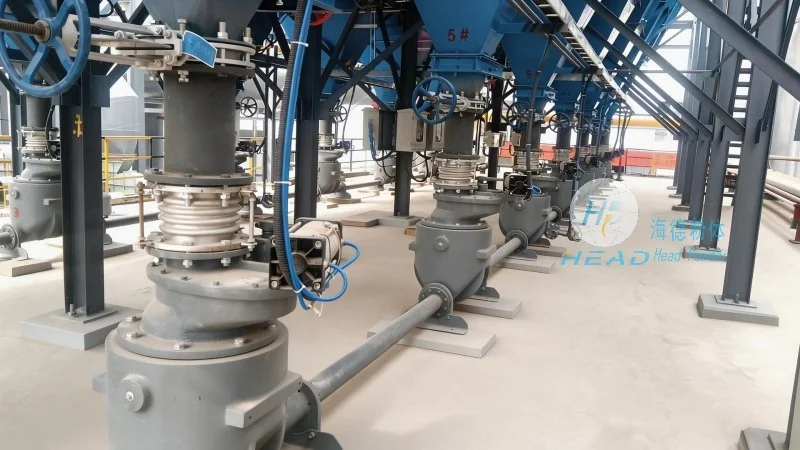
HeadPowder's Expertise in Alloy Powder Conveying Solutions
Shandong HeadPowder Engineering Co., Ltd. specializes in providing tailored air-pneumatic conveying solutions for alloy powders. With years of experience in the industry, HeadPowder understands the unique challenges associated with handling fine and sensitive materials. The company's engineers design and manufacture customized conveying systems that meet the specific requirements of each client, ensuring optimal performance and reliability. HeadPowder's solutions are built with high-quality materials and advanced technology to deliver consistent results and extend the lifespan of the equipment. The company's commitment to innovation and customer satisfaction has made it a trusted partner for businesses seeking efficient alloy powder transport solutions.
Conclusion: Choosing the Right Conveying Method for Alloy Powders
When selecting a conveying method for alloy powders, it is essential to consider the material's properties, the required transport distance, and the overall production goals. Air-pneumatic conveying, particularly with the expertise of companies like Shandong HeadPowder Engineering Co., Ltd., offers a superior solution for many applications. By leveraging the benefits of gentle handling, long-distance transport, and precise control, air-pneumatic systems ensure the integrity of alloy powders while improving operational efficiency. For businesses in need of reliable and effective alloy powder transport solutions, HeadPowder provides the expertise and technology to meet their needs and support their production processes.




