HeadPowder, a leading engineering firm based in Shandong, China, specializes in the design and implementation of advanced pneumatic conveying solutions for various industrial applications. This article delves into the fundamental principles of sodium carbonate pneumatic conveying lines, exploring their operational mechanisms and the specific scenarios where these systems excel in material handling.
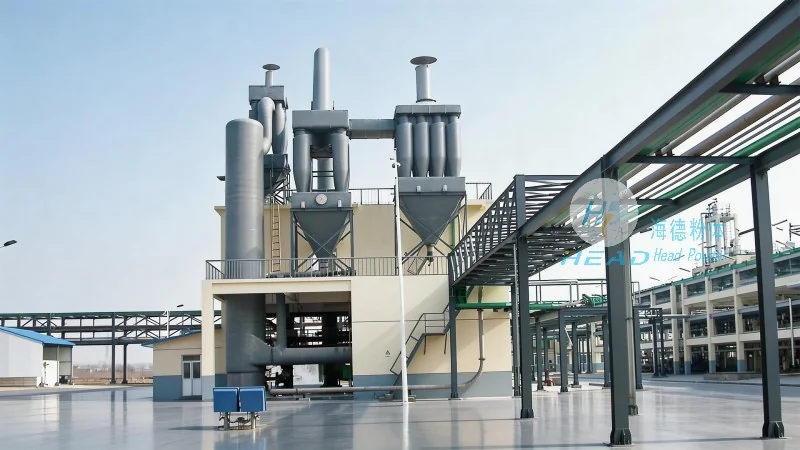
Company Overview
HeadPowder Engineering Co., Ltd. is a reputable enterprise headquartered in Shandong, China. With a strong commitment to innovation and precision engineering, the company has established itself as a trusted provider of customized material handling systems. Our expertise lies in developing efficient and reliable pneumatic conveying solutions tailored to meet the unique demands of clients across diverse industries.
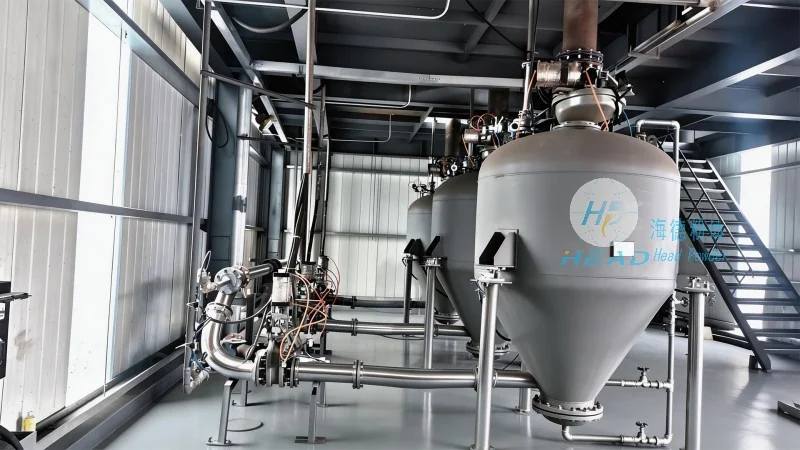
Principle of Pneumatic Conveying for Sodium Carbonate
The core of a sodium carbonate pneumatic conveying line is the use of air or gas to transport bulk materials through a pipeline network. This process, known as pneumatic conveying, involves several key components and operational principles. The system typically consists of a material feed hopper, a rotary valve or feeder, a conveying line (often equipped with pressure vessels or vacuum pumps), and a discharge point. As sodium carbonate is introduced into the system, it is drawn or pushed through the pipeline by the moving air stream. The air velocity and pressure are carefully controlled to ensure the material is transported without degradation, clogging, or excessive wear on the system components. This method offers a dust-free, enclosed transport solution that enhances safety and product quality.
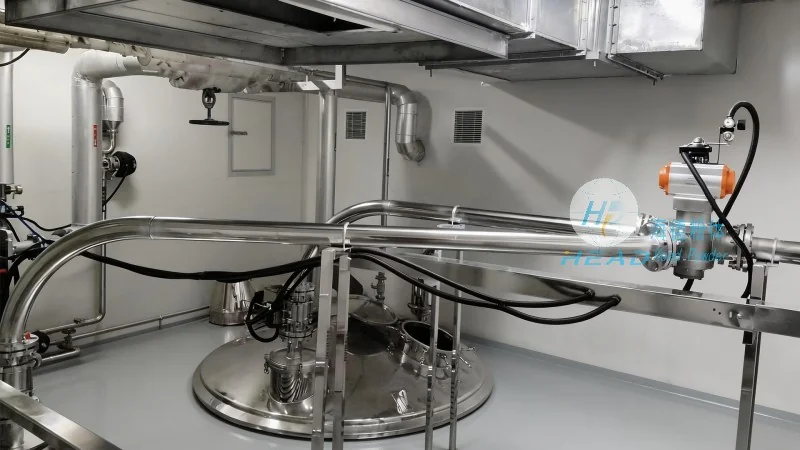
Working Scene Characteristics and Applications
Sodium carbonate pneumatic conveying systems are particularly well-suited for applications where traditional bulk handling methods, such as belt conveyors or bucket elevators, may be impractical or inefficient. The enclosed nature of pneumatic conveying minimizes dust exposure, making it ideal for environments where air quality and product purity are critical. For instance, in chemical processing facilities, pharmaceutical manufacturing plants, and food processing industries, these systems ensure that sodium carbonate is transported without contamination or loss of material integrity. Additionally, the flexibility of pneumatic conveying allows for horizontal, vertical, or even complex multi-directional transport routes, adapting to the spatial constraints of different industrial settings. This adaptability makes the system suitable for both small-scale and large-scale production lines, from laboratory-scale operations to full industrial production.
Advantages of Pneumatic Conveying in Sodium Carbonate Handling
Compared to conventional material handling methods, pneumatic conveying offers several distinct advantages when dealing with sodium carbonate. First, the enclosed system prevents dust from being released into the environment, reducing health risks for workers and maintaining compliance with environmental regulations. Second, the continuous and uniform flow of material minimizes product degradation, ensuring that the quality of sodium carbonate remains consistent throughout the transport process. Third, the system is highly adaptable, allowing for easy integration with existing production lines and the ability to adjust transport rates based on production needs. Furthermore, pneumatic conveying reduces the need for manual handling, enhancing workplace safety and operational efficiency. These benefits make the system a preferred choice for industries that prioritize both productivity and safety.
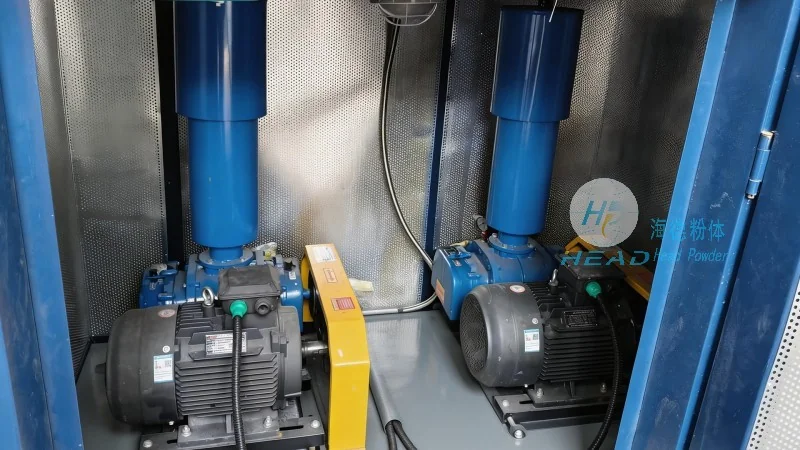
System Components and Operational Considerations
Understanding the components and operational considerations of a sodium carbonate pneumatic conveying line is essential for optimizing performance and ensuring long-term reliability. The primary components include the material feeder, which controls the flow rate of sodium carbonate into the system; the conveying line, which may be designed as a pressure or vacuum system depending on the application; and the air or gas source, which provides the necessary force to move the material. The choice between pressure and vacuum systems depends on factors such as the distance to be covered, the height of the vertical lift, and the desired transport speed. For longer horizontal distances or significant vertical lifts, a pressure system (using positive pressure air) is often more effective, as it can maintain consistent air velocity and prevent material settling in the pipeline. Conversely, vacuum systems are suitable for shorter distances or when the material needs to be drawn from a lower elevation. Proper maintenance of these components, such as regular cleaning of the conveying line and inspection of the rotary valve, is crucial to prevent clogging and ensure smooth operation.




