Fluorosilicate sodium, a key industrial chemical, often requires efficient material handling solutions for safe and reliable transport. Pneumatic conveying systems offer a robust method for handling this material, and proper design calculation and equipment selection are critical to ensure optimal performance and operational efficiency. This article provides an overview of the design calculation process and equipment selection for fluorosilicate sodium pneumatic conveying systems, presented by Shandong HeadPowder Engineering Co., Ltd., a leading provider in the field.
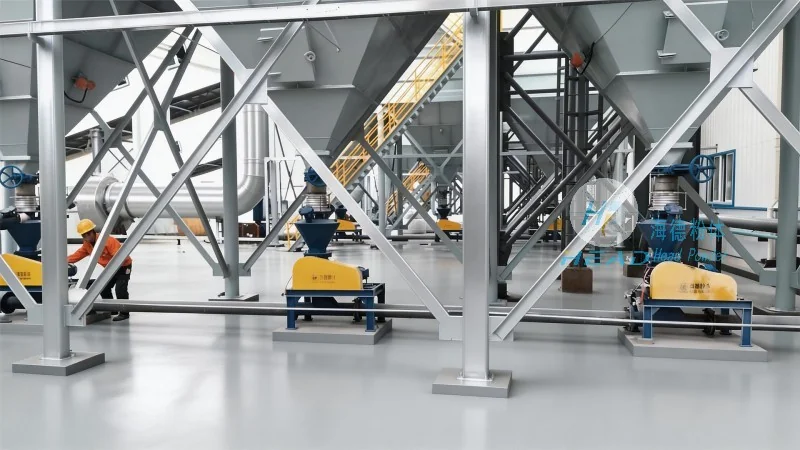
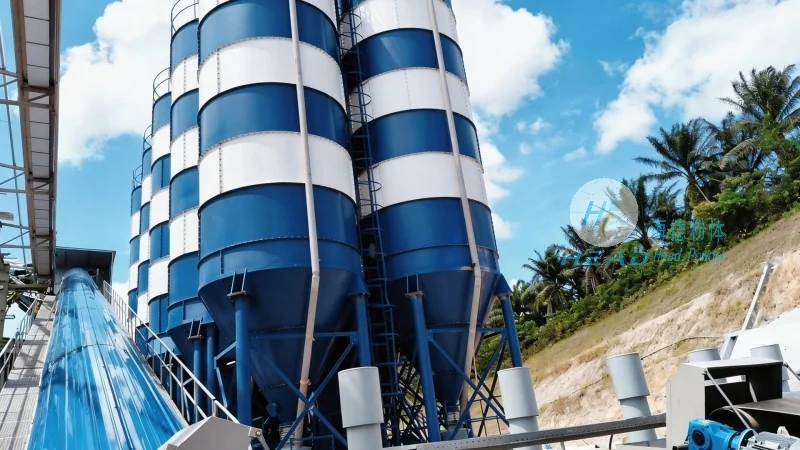
As a professional engineering company, Shandong HeadPowder Engineering Co., Ltd. specializes in the design, manufacturing, and integration of pneumatic conveying systems tailored to the needs of various industries. With a focus on precision and reliability, HeadPowder offers comprehensive solutions that address the unique challenges of handling fluorosilicate sodium and other similar materials. The company is headquartered in Shandong, China, and has established a strong reputation for delivering high-quality engineering services and equipment.
Design Calculation for Fluorosilicate Sodium Pneumatic Conveying
The design of a fluorosilicate sodium pneumatic conveying system begins with accurate calculation of the material flow rate and the required conveying velocity. The flow rate is determined based on the production capacity and the desired throughput of the system. For fluorosilicate sodium, which is typically handled in bulk, the flow rate is often measured in tons per hour (t/h) or kilograms per second (kg/s). The conveying velocity is a critical parameter that affects the system's efficiency and the risk of material degradation. A higher velocity can reduce the risk of blockages but increases energy consumption, while a lower velocity may lead to increased pressure losses and potential material degradation. Engineers use established formulas and empirical data to determine the optimal conveying velocity for a given material and system configuration. The pressure drop across the system is another key calculation, as it determines the required power of the air compressor and the overall system performance. The pressure drop is influenced by factors such as the length and diameter of the conveying pipeline, the number of bends, and the type of material being conveyed. By carefully analyzing these factors, engineers can design a system that operates efficiently and within the specified pressure and power limits.
Equipment Selection for Fluorosilicate Sodium Pneumatic Conveying
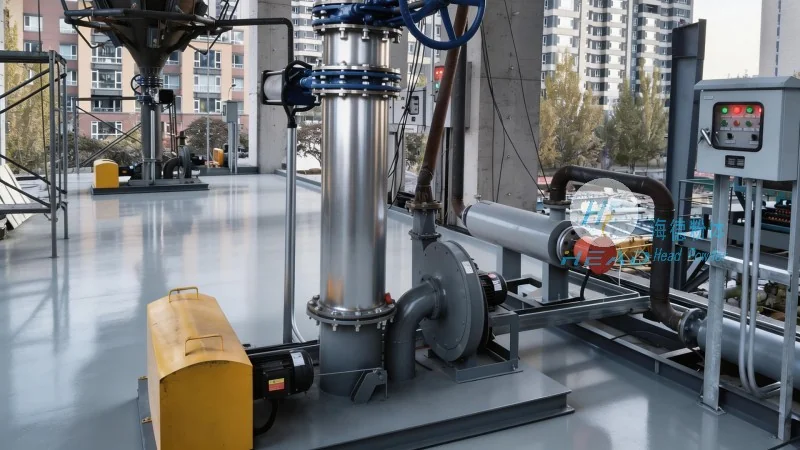
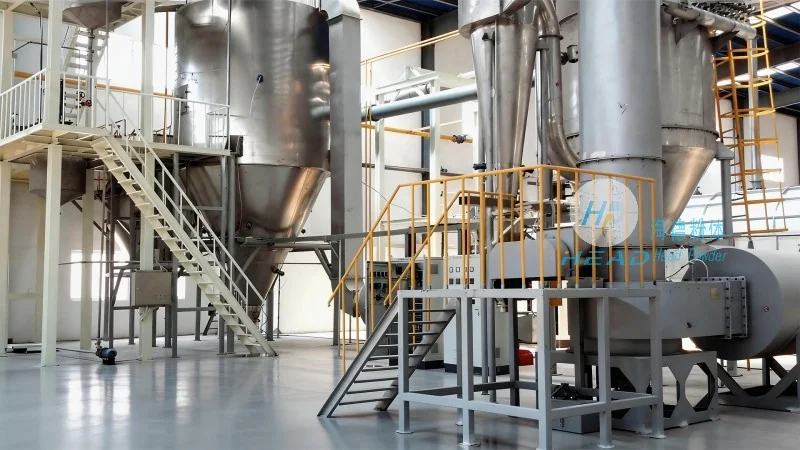
Choosing the right equipment for a fluorosilicate sodium pneumatic conveying system is essential to ensure long-term reliability and performance. The primary components of such a system include the material feed system, conveying pipeline, air compressor, and material separation equipment. The material feed system must be designed to handle fluorosilicate sodium without causing blockages or material degradation. Options include screw feeders, rotary valves, or pneumatic feeders, each with its own advantages and limitations. The screw feeder is a common choice for its ability to handle a wide range of materials and its relatively low maintenance requirements. The rotary valve, on the other hand, is ideal for applications where a consistent flow rate is required and where the material may be abrasive. Pneumatic feeders are suitable for handling fine or powdery materials, such as fluorosilicate sodium, where a gentle feeding action is necessary to prevent material degradation. The conveying pipeline is typically made of stainless steel or other corrosion-resistant materials to withstand the chemical properties of fluorosilicate sodium. The diameter of the pipeline is determined based on the flow rate and conveying velocity, and the length and number of bends are optimized to minimize pressure losses. The air compressor is the heart of the system, providing the necessary air pressure to move the material through the pipeline. The choice of compressor depends on the required pressure and flow rate, with options including rotary lobe compressors, screw compressors, or centrifugal compressors. For fluorosilicate sodium applications, a rotary lobe compressor is often preferred due to its ability to handle abrasive materials and its relatively low maintenance requirements. The material separation equipment, such as cyclones or bag filters, is used to separate the material from the air stream at the end of the conveying system. The selection of the separation equipment depends on the particle size and density of the fluorosilicate sodium, as well as the required recovery rate. Cyclones are effective for separating larger particles, while bag filters are suitable for finer particles. The choice of equipment is critical to ensure that the material is recovered efficiently and that the air is cleaned to meet environmental regulations.




