Understanding polyethylene material handling is crucial for industries that rely on efficient and reliable transportation of goods. This article explores the fundamental aspects of polyethylene material handling systems, including their design principles and practical applications. By examining the key components and operational mechanisms, we can gain insights into how these systems enhance productivity and safety in various industrial settings.
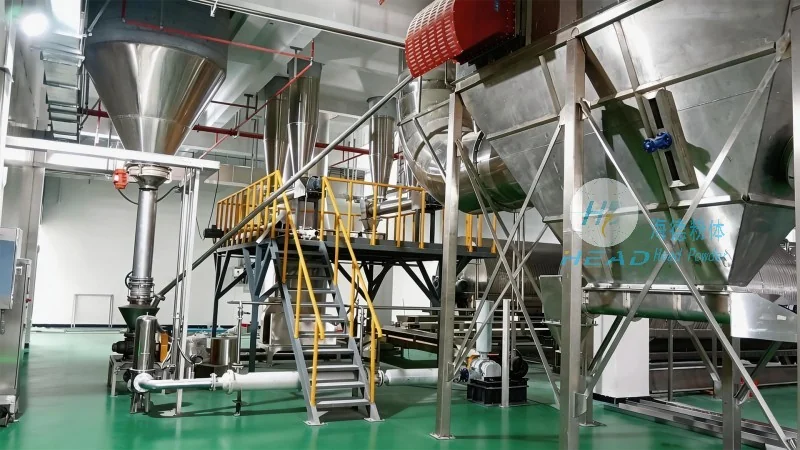
Key Components of Polyethylene Material Handling Systems
Polyethylene material handling systems typically consist of several critical components that work in tandem to facilitate the movement of materials. These components include conveyors, storage solutions, and control systems. The choice of polyethylene as the primary material for these components is driven by its excellent chemical resistance, durability, and low friction properties, which are essential for handling a wide range of materials without degradation or damage.
Design Principles for Efficient Material Handling
The design of polyethylene material handling systems follows several core principles aimed at optimizing performance and minimizing operational costs. One of the primary principles is modularity, which allows for flexible configurations that can be adjusted to meet specific production needs. Another key principle is integration, ensuring that all components are seamlessly connected to maintain a smooth flow of materials. Additionally, the design emphasizes durability and low maintenance, as polyethylene materials are resistant to wear and tear, reducing the need for frequent repairs and replacements.
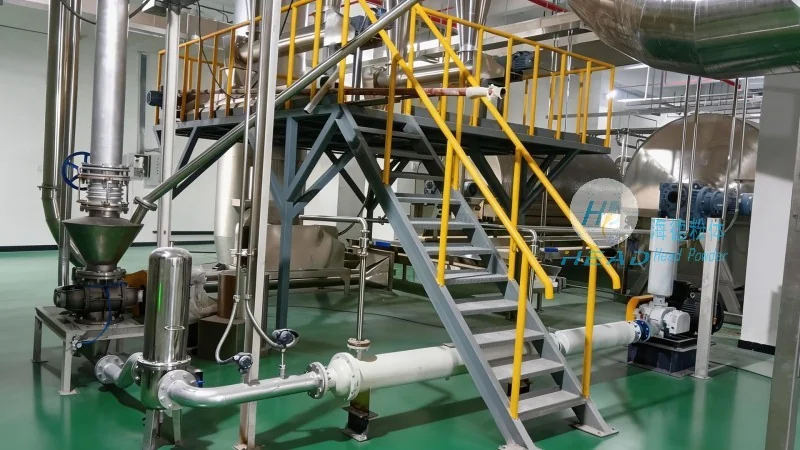
Applications in Industrial Settings
Polyethylene material handling systems are widely used in various industries, including manufacturing, logistics, and warehousing. In manufacturing facilities, these systems are employed to transport raw materials to production lines and finished products to storage areas. In logistics and warehousing, they help streamline inventory management by efficiently moving goods between different storage zones and loading docks. The versatility of polyethylene material handling solutions makes them suitable for handling a variety of materials, from lightweight plastics to heavier industrial components.
Advantages of Using Polyethylene in Material Handling
There are several advantages to using polyethylene in material handling applications. First, its chemical resistance makes it ideal for environments where materials may be exposed to harsh chemicals or corrosive substances. Second, the material's low friction properties reduce energy consumption and wear on moving parts, leading to lower operational costs over time. Third, polyethylene is lightweight yet strong, which helps reduce the overall weight of the system and improve energy efficiency. Finally, its durability and resistance to impact make it suitable for heavy-duty applications where other materials might fail.
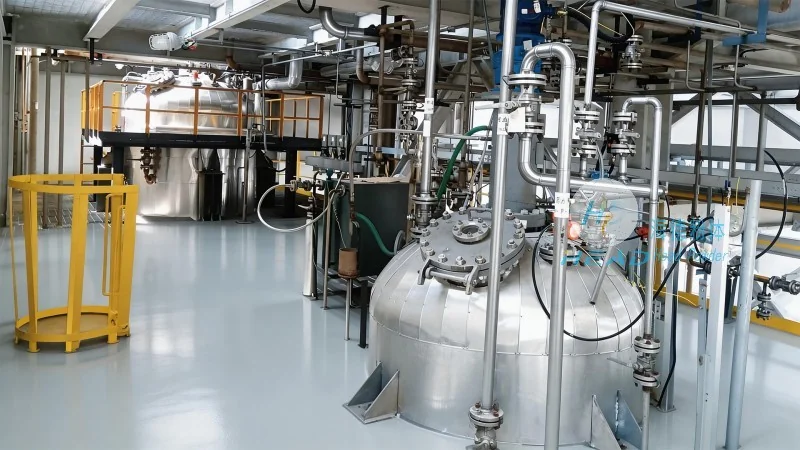
Customization and Integration with Existing Systems
HeadPowder, a leading provider of material handling solutions, offers customized polyethylene material handling systems tailored to the specific needs of each client. With years of experience in the industry, HeadPowder understands that no two industrial environments are identical, and thus, they design systems that integrate seamlessly with existing infrastructure. This approach ensures minimal disruption to current operations while enhancing overall efficiency. The company's team of experts works closely with clients to assess their requirements, recommend the most suitable components, and implement the system with precision.
Conclusion
In conclusion, polyethylene material handling systems represent a reliable and efficient solution for industries seeking to optimize their material transportation processes. By adhering to sound design principles and leveraging the unique properties of polyethylene, these systems can significantly improve productivity, reduce costs, and enhance safety in industrial settings. As a trusted partner, Shandong HeadPowder Engineering Co., Ltd. (HeadPowder) continues to provide high-quality polyethylene material handling solutions that meet the evolving needs of modern industries.




