Understanding the role of nitrogen-protected material handling is crucial in industries where material integrity and safety are paramount. This process involves the use of an inert gas, typically nitrogen, to create a protective atmosphere around materials during transportation, storage, or processing. The primary goal is to prevent oxidation, contamination, or degradation of sensitive materials, ensuring they remain in optimal condition throughout the supply chain.
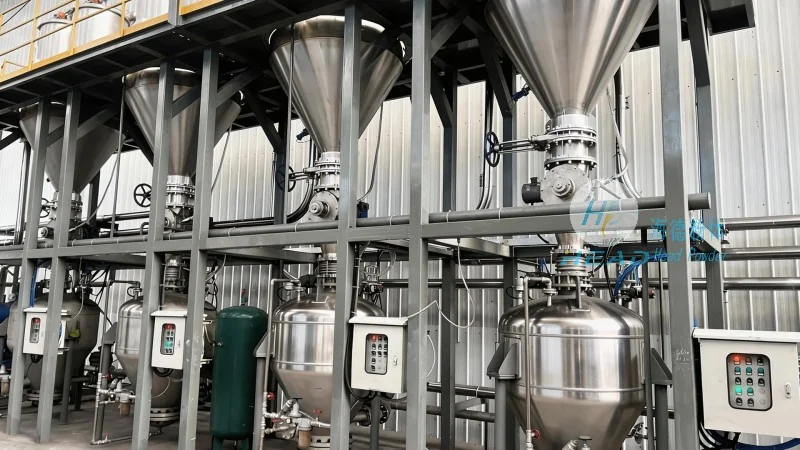
What is Nitrogen-Protected Material Handling?
Nitrogen-protected material handling refers to the method of transporting or handling bulk materials, such as powders, granules, or other particulate substances, while maintaining an inert gas environment. This technique is widely used in sectors like pharmaceuticals, food processing, chemicals, and electronics, where material purity is critical. The process typically involves sealing the material within a container or pipeline and flushing it with nitrogen to displace oxygen and other reactive gases. By doing so, the material is shielded from environmental factors that could compromise its quality or safety.
Design Principles Behind Nitrogen-Protected Material Handling
The design of nitrogen-protected material handling systems is based on several key principles to ensure effectiveness and reliability. First, the system must be able to generate and maintain a consistent flow of nitrogen gas. This often involves high-purity nitrogen sources, such as nitrogen generators or cylinders, to ensure the gas is free from contaminants that could affect the material. Second, the equipment used for material transport, such as pneumatic conveyors, silos, or hoppers, must be designed to withstand the pressure and flow characteristics of the nitrogen environment. This includes materials like stainless steel or specialized polymers that are resistant to corrosion and wear from the gas and material.
Third, the system must incorporate effective sealing and gas-tight connections to prevent any leakage of oxygen or other gases into the material stream. This is critical to maintaining the inert atmosphere and preventing contamination. Sealing mechanisms, such as O-rings, gaskets, or specialized valve designs, are commonly used to ensure a tight seal. Additionally, the design must consider the material's properties, including its flowability, moisture content, and potential for dust generation, to optimize the handling process and minimize the risk of blockages or material degradation.
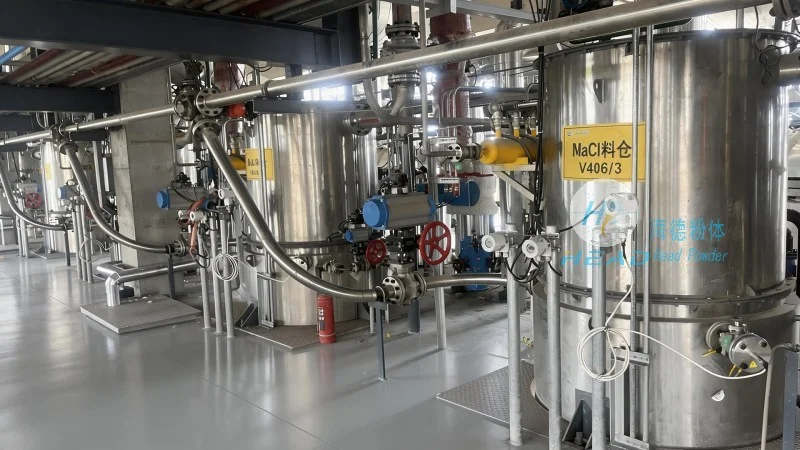
Key Components of a Nitrogen-Protected Material Handling System
A typical nitrogen-protected material handling system consists of several key components that work together to achieve the desired results. These components include nitrogen generation or supply units, which provide the inert gas. The system may also feature pressure regulators and flow meters to control the nitrogen flow rate and pressure, ensuring it is appropriate for the material being handled. Conveying equipment, such as rotary valves, pneumatic conveying lines, or screw conveyors, is used to transport the material through the system. These components are often integrated with sensors and controls to monitor the system's performance and adjust parameters as needed.
Storage vessels, such as silos or hoppers, are also essential components, as they provide a controlled environment for storing the material under nitrogen protection. These vessels are typically equipped with gas inlet and outlet ports, as well as level indicators, to ensure proper operation. The entire system is often enclosed or shielded to prevent external contamination and maintain the inert atmosphere. Additionally, safety features, such as pressure relief valves and gas detectors, are included to protect against overpressure or gas leaks, ensuring the safety of personnel and equipment.
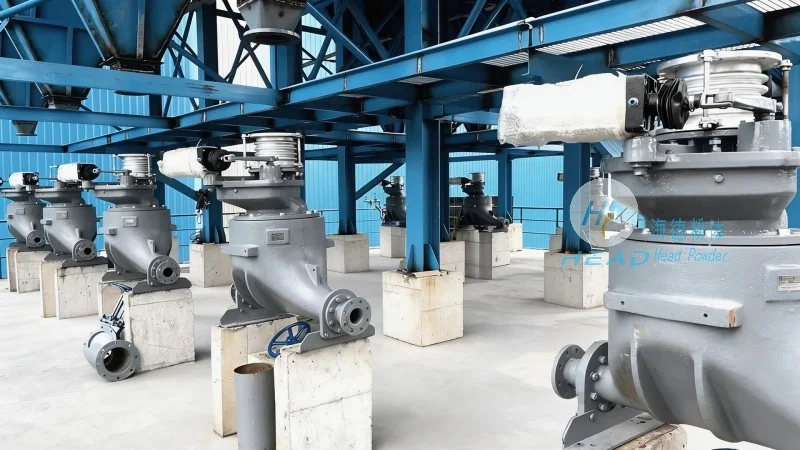
Applications and Benefits of Nitrogen-Protected Material Handling
Nitrogen-protected material handling is used in a wide range of applications across various industries. In the pharmaceutical industry, it is used to handle active pharmaceutical ingredients (APIs) and excipients, ensuring they remain stable and free from contamination. In the food industry, it is used to transport and store food powders, such as spices, flour, or dairy products, preserving their flavor, color, and nutritional value. In the chemical industry, it is used to handle reactive or sensitive chemicals, preventing oxidation or reaction with atmospheric gases. The benefits of this method include improved material quality, reduced waste, enhanced safety, and increased efficiency in material handling processes.
One of the primary benefits is the prevention of oxidation, which can cause material degradation, discoloration, or loss of potency. By maintaining an inert atmosphere, the material's shelf life is extended, and its quality is preserved. Additionally, nitrogen protection reduces the risk of dust explosions or fires, as the oxygen content is minimized. This enhances workplace safety and compliance with regulations. Furthermore, the use of nitrogen-protected systems can improve process efficiency by reducing downtime due to material contamination or blockages, leading to cost savings and increased productivity.
Company Information: Shandong HeadPowder Engineering Co., Ltd.
Shandong HeadPowder Engineering Co., Ltd., commonly known as HeadPowder, is a leading provider of material handling solutions, specializing in nitrogen-protected systems. With a focus on innovation and quality, HeadPowder designs and manufactures equipment tailored to the specific needs of various industries. The company's headquarters is located in Shandong, China, where it has established a strong presence in the material handling sector. HeadPowder's expertise lies in developing customized solutions that meet the unique requirements of clients, ensuring reliable and efficient material handling processes. The company adheres to international standards and continuously invests in research and development to improve its products and services, maintaining its position as a trusted partner in the industry.




