

Design Calculation and Equipment Selection for Pneumatic Conveying of Battery Positive Electrode Materials
For the efficient and reliable handling of battery positive electrode materials, pneumatic conveying systems offer a sophisticated solution. This article delves into the design calculation methodologies and equipment selection processes tailored for such applications, ensuring optimal performance and safety in material transport. The focus is on the technical aspects that influence system performance, from flow rate and pressure considerations to the selection of appropriate equipment based on material characteristics and operational requirements.
Key Design Parameters for Pneumatic Conveying Systems
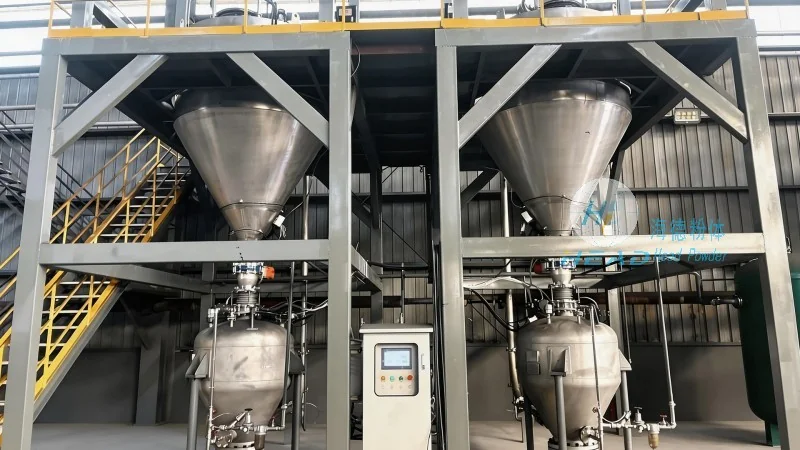
The design of a pneumatic conveying system for battery positive electrode materials begins with a thorough analysis of several critical parameters. These parameters dictate the system's capacity, efficiency, and overall reliability. The primary design considerations include the material's bulk density, particle size distribution, moisture content, and flowability. These characteristics directly impact the air velocity required to entrain the material particles, the pressure drop across the system, and the overall energy consumption. Accurate measurement and characterization of these properties are essential for precise calculation of the conveying air volume and pressure needed to achieve the desired throughput.
Another crucial factor is the system's layout, including the vertical and horizontal distances the material must travel. The length and elevation changes affect the required air pressure and the type of conveying system (e.g., low-pressure or high-pressure). For instance, long horizontal runs may necessitate high-pressure systems to maintain material suspension, while vertical lifts may require additional air boosters or cyclone separators to manage the pressure drop and prevent material settling. The design also considers the number of transfer points and the need for intermediate storage or mixing, which can influence the system's complexity and the selection of components like rotary valves, feeders, and dust collectors.
Equipment Selection for Battery Positive Electrode Material Conveying
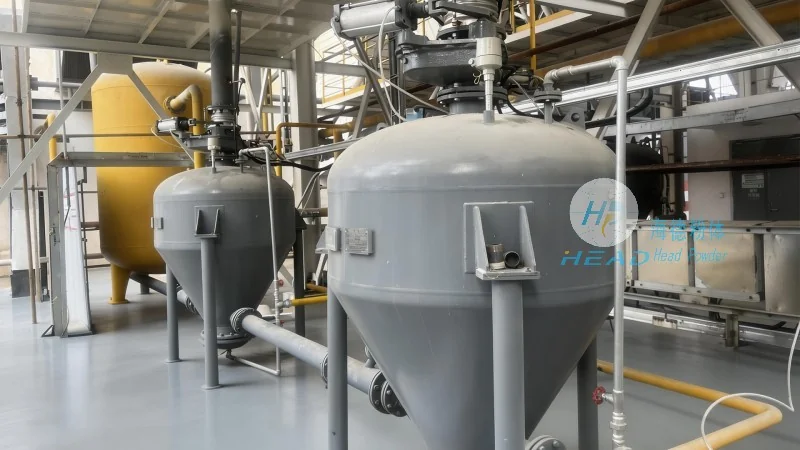
Choosing the right equipment for pneumatic conveying of battery positive electrode materials involves evaluating various system types and components. The primary categories include suction (or vacuum) systems, pressure systems, and combined systems. Suction systems are ideal for applications where material is drawn from a source, such as a hopper or storage silo, and are commonly used for short to medium distances. They are suitable for materials with good flowability and low dust generation. Pressure systems, on the other hand, use compressed air to push material through the system, making them suitable for longer distances and higher throughput. Combined systems offer flexibility by using both suction and pressure modes to optimize material transport over complex layouts.
Within these categories, specific equipment such as rotary air locks, feeders, and cyclone separators play vital roles. Rotary air locks, or rotary valves, are used to control the flow of material into the conveying line, preventing backflow and ensuring consistent material feed. The selection of a rotary air lock depends on the material's particle size and flowability; larger or more abrasive particles may require heavy-duty models with robust sealing mechanisms. Feeders, such as screw feeders or vibratory feeders, are used to meter the material accurately into the conveying system, maintaining a steady flow rate. For battery positive electrode materials, which may be sensitive to moisture or contamination, feeders with minimal material contact and easy cleaning are preferred. Cyclone separators are critical for separating the conveyed material from the air stream, ensuring that the material is deposited at the discharge point without loss or contamination. The design of the cyclone, including its diameter, cone angle, and inlet velocity, must be optimized to achieve high separation efficiency while minimizing pressure drop.
Design Calculation Process and Technical Considerations
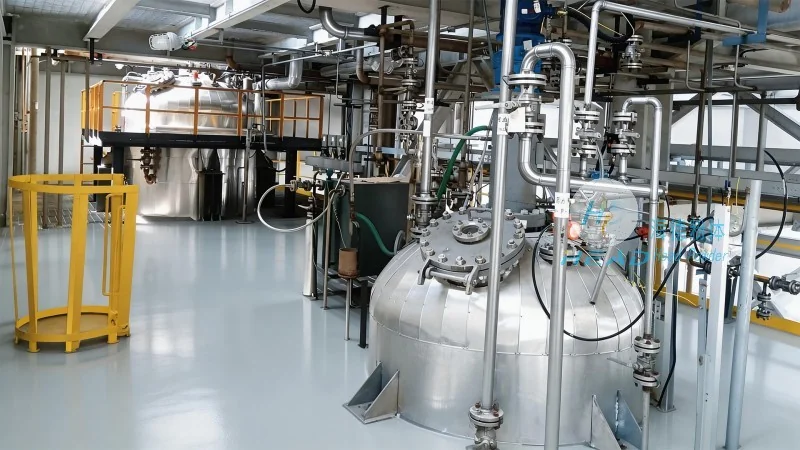
The design calculation process for pneumatic conveying systems involves a series of steps to determine the optimal system configuration. The first step is to calculate the required air volume and pressure based on the material's properties and the system's layout. This is typically done using empirical formulas or software tools that consider factors like particle size, density, and flowability. For example, the air velocity required to entrain the material particles can be estimated using the "critical velocity" concept, which is the minimum air velocity needed to keep particles suspended. The pressure drop across the system is then calculated by summing the losses due to pipe friction, fittings, bends, and equipment like cyclones and rotary valves. The total pressure drop determines the required air compressor capacity and the system's overall energy consumption.
Once the air volume and pressure are determined, the pipe diameter is selected to balance the required air velocity with the system's pressure drop. Larger pipe diameters reduce pressure drop but increase material velocity, which may cause higher wear on equipment and increased energy consumption. Conversely, smaller diameters increase pressure drop and may lead to material settling if the velocity is too low. The selection of the pipe material is also important, as it must be resistant to corrosion and abrasion from the battery positive electrode materials, which may contain reactive compounds or abrasive particles. Stainless steel or specialized alloys are often used for such applications to ensure durability and prevent contamination.
Application of Pneumatic Conveying in Battery Manufacturing
Pneumatic conveying systems are widely used in the battery manufacturing industry for the transport of positive electrode materials from raw material handling to the mixing and coating stages. The efficiency of these systems directly impacts the overall production throughput and quality of the battery cells. For instance, in the production of lithium-ion batteries, the positive electrode material (such as lithium cobalt oxide or lithium nickel manganese cobalt oxide) must be conveyed from storage silos to the mixing equipment with minimal loss and contamination. Pneumatic conveying ensures that the material is transported in a closed system, preventing exposure to moisture and air, which can degrade the material's performance. The design of the system must also consider the need for dust control and environmental compliance, as battery materials can be fine and potentially hazardous if not handled properly.
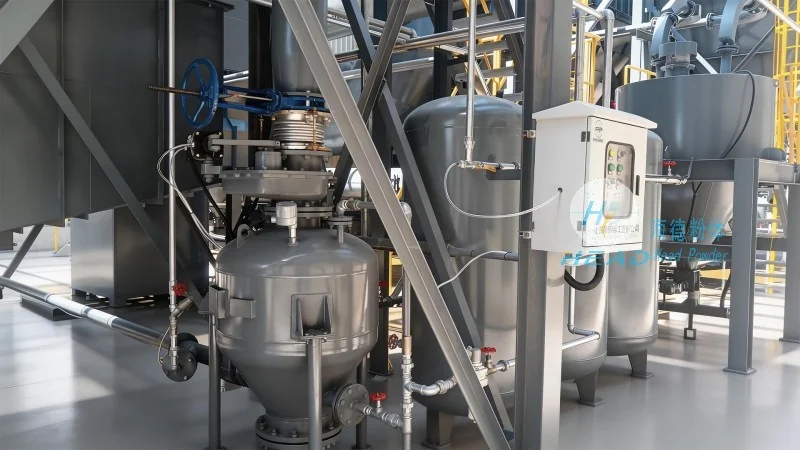
Shandong HeadPowder Engineering Co., Ltd., a leading provider of material handling solutions, specializes in designing and manufacturing pneumatic conveying systems tailored to the specific needs of battery manufacturers. With years of experience in the industry, the company offers comprehensive services, including system design, equipment selection, and installation support. Their expertise in handling battery positive electrode materials ensures that the systems are optimized for efficiency, reliability, and safety. The company's team of engineers uses advanced calculation tools and simulation software to model the conveying process, allowing for precise design and selection of components that meet the customer's operational requirements. By leveraging their technical knowledge and industry experience, Shandong HeadPowder Engineering Co., Ltd. helps battery manufacturers achieve high-quality material transport while minimizing operational costs and environmental impact.
Conclusion and Future Trends
In conclusion, the design calculation and equipment selection for pneumatic conveying of battery positive electrode materials are critical to the success of battery manufacturing operations. The process involves careful consideration of material properties, system layout, and operational requirements to ensure optimal performance. The selection of appropriate equipment, such as rotary air locks, feeders, and cyclone separators, is essential for maintaining material quality and system efficiency. As the battery industry continues to grow, the demand for efficient and reliable material handling solutions will increase, driving the development of more advanced pneumatic conveying systems. Companies like Shandong HeadPowder Engineering Co., Ltd. play a vital role in meeting these needs by providing customized solutions that address the unique challenges of battery material transport. With their expertise and commitment to quality, they help ensure that battery manufacturers can produce high-performance cells while maintaining operational efficiency and safety.