

Pepper Powder Pneumatic Conveying Technology: In-Depth Analysis of Vacuum and Positive Pressure Conv
HeadPowder, a leading provider of pneumatic conveying solutions, specializes in advanced technologies tailored for the efficient handling of pepper powder. This article delves into the core principles of vacuum and positive pressure pneumatic conveying systems, exploring their applications, technical advantages, and practical considerations for optimizing pepper powder transportation in industrial settings.
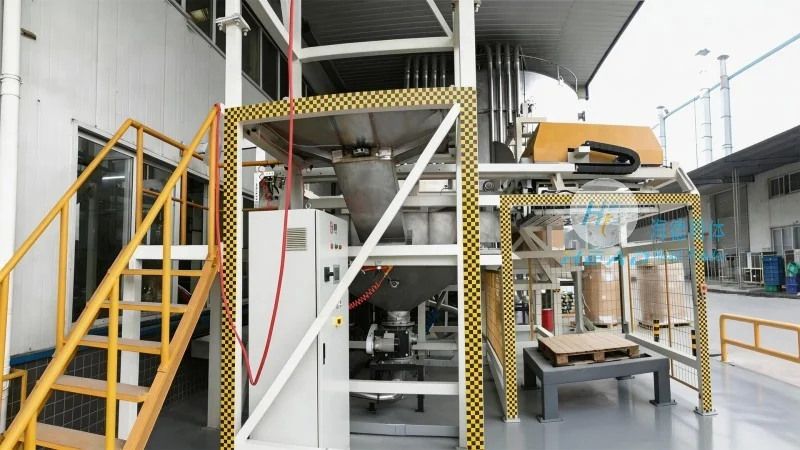
Company Profile: Shandong HeadPowder Engineering Co., Ltd.
HeadPowder, the brand under Shandong HeadPowder Engineering Co., Ltd., is headquartered in Shandong, China. With a strong commitment to innovation and quality, the company has established itself as a trusted partner in the field of pneumatic conveying technology. Our team of experts combines deep industry knowledge with cutting-edge engineering to deliver customized solutions that meet the unique demands of clients in the food, pharmaceutical, and chemical sectors.
Understanding Pneumatic Conveying for Pepper Powder
Pneumatic conveying is a method of transporting bulk materials, such as pepper powder, using air or gas as the conveying medium. This technology offers a dust-free, hygienic, and efficient alternative to traditional mechanical conveying systems. The primary advantage lies in its ability to handle fine powders like pepper without causing contamination or degradation, which is critical for maintaining product quality and safety standards.
Vacuum Pneumatic Conveying Systems
Vacuum pneumatic conveying systems operate by creating a negative pressure (vacuum) at the receiving end, drawing the pepper powder from the source into the conveying line. This method is particularly suitable for applications where the material needs to be transported over short to medium distances, typically up to 100 meters. The system uses a vacuum pump to generate the pressure differential, ensuring that the powder is drawn through the pipeline without the need for external pressure sources.
Key features of vacuum systems include low energy consumption, minimal noise levels, and the ability to handle materials with high moisture content or sticky properties. The design typically involves a hopper or bin at the source, a vacuum receiver at the destination, and a filter to capture any fine particles that may escape during the process. This approach is ideal for applications where the receiving point is lower than the source, as the vacuum helps in lifting the material against gravity.
Positive Pressure Pneumatic Conveying Systems
Positive pressure systems, on the other hand, generate positive pressure at the source, pushing the pepper powder through the conveying line. This method is more suitable for longer distances, typically up to several hundred meters, and is often preferred when the receiving point is higher than the source. The system uses a blower or compressor to supply the air, ensuring that the material is propelled through the pipeline with sufficient force to overcome friction and elevation changes.
Positive pressure systems offer higher conveying velocities and can handle a wider range of particle sizes and densities. They are particularly effective for applications requiring high throughput and where the material needs to be transported over steep inclines or long horizontal distances. The design includes a pressure vessel or hopper at the source, a pressure receiver at the destination, and a filter to prevent dust from escaping into the environment.
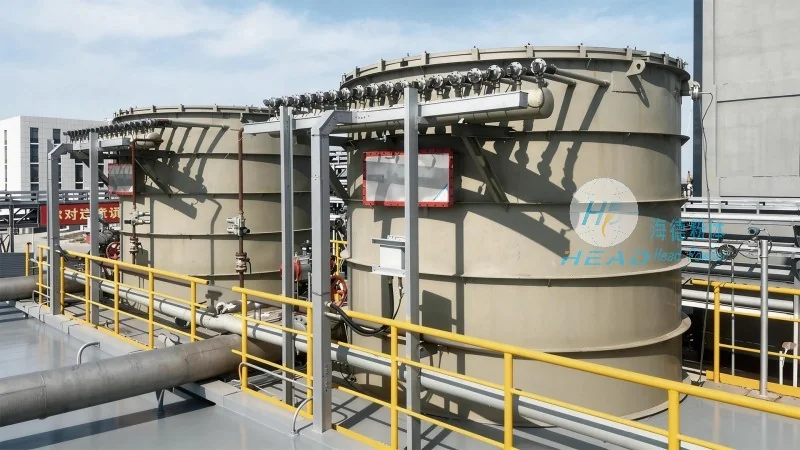
Comparative Analysis: Vacuum vs. Positive Pressure Conveying
When selecting between vacuum and positive pressure pneumatic conveying for pepper powder, several factors must be considered. The choice depends on the distance between the source and destination, the elevation difference, the material characteristics (such as particle size, moisture content, and flowability), and the required throughput. Vacuum systems are generally more energy-efficient for short distances and lower elevations, while positive pressure systems are better suited for longer distances and higher elevations.
From a maintenance perspective, vacuum systems may require more frequent filter cleaning due to the continuous suction of air and particles. Positive pressure systems, however, may need more robust components to withstand higher pressures and potential wear from abrasive materials. HeadPowder's engineers carefully evaluate these factors to recommend the most appropriate system for each client's specific needs.
Applications in Pepper Processing
Pepper powder is widely used in the food industry as a spice and flavor enhancer. The efficient handling of this product is crucial for maintaining its quality and ensuring consistent supply to manufacturers. Pneumatic conveying systems are commonly used in pepper processing plants for tasks such as transferring raw pepper from storage bins to grinding units, moving ground pepper to packaging lines, and transporting finished products to storage silos.
For example, in a pepper grinding facility, a vacuum system may be used to convey freshly ground pepper from the grinder to a storage hopper, as the receiving point is lower than the source. Conversely, a positive pressure system might be employed to transport the ground pepper from the storage hopper to a high-level packaging machine, where the receiving point is elevated. The choice of system ensures that the pepper powder is handled hygienically and without contamination, meeting the stringent standards of the food industry.
Advantages of HeadPowder's Pneumatic Conveying Solutions
HeadPowder offers comprehensive pneumatic conveying solutions that integrate both vacuum and positive pressure technologies, tailored to the specific requirements of pepper powder handling. Our systems are designed to maximize efficiency, minimize downtime, and ensure product integrity throughout the conveying process. Key advantages include:
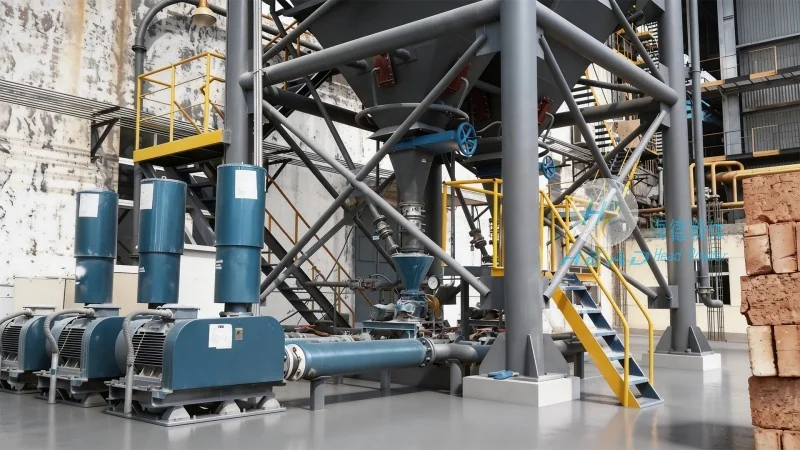
1. **Hygienic and Dust-Free Operation**: Our systems are constructed with food-grade materials and feature sealed components to prevent contamination, ensuring that the pepper powder remains clean and safe for consumption.
2. **Customized Design**: Each system is engineered to meet the unique specifications of the client, including material flow rates, distance, and elevation requirements. This ensures optimal performance and cost-effectiveness.
3. **Energy Efficiency**: By selecting the most appropriate system (vacuum or positive pressure) based on the application, we help clients reduce energy consumption and operational costs.
4. **Low Maintenance**: Our systems are built with durable components and include features that minimize wear and tear, reducing the need for frequent repairs and maintenance.
5. **Scalability**: HeadPowder's solutions can be scaled to accommodate growing production needs, allowing clients to expand their operations without significant changes to the conveying infrastructure.
Conclusion
Pepper powder pneumatic conveying technology, particularly through the use of vacuum and positive pressure systems, offers a reliable and efficient method for handling this valuable spice. HeadPowder, with its expertise and commitment to quality, provides tailored solutions that address the specific challenges of pepper powder transportation. By leveraging advanced engineering and industry best practices, our systems ensure that pepper powder is conveyed safely, hygienically, and with minimal loss or degradation. For businesses in the pepper processing industry, investing in a well-designed pneumatic conveying system is a strategic decision that enhances operational efficiency and product quality.