Efficient material handling is a critical aspect of industrial operations, and for industries dealing with gypsum sand, the choice of pneumatic conveying systems plays a pivotal role in ensuring smooth production processes. Pneumatic conveying technology offers a reliable and flexible solution for transporting bulk materials like gypsum sand over varying distances and within complex plant layouts. This article delves into the nuances of gypsum sand pneumatic conveying, focusing on the two primary methods: vacuum and positive pressure systems, and explores their applications and advantages.
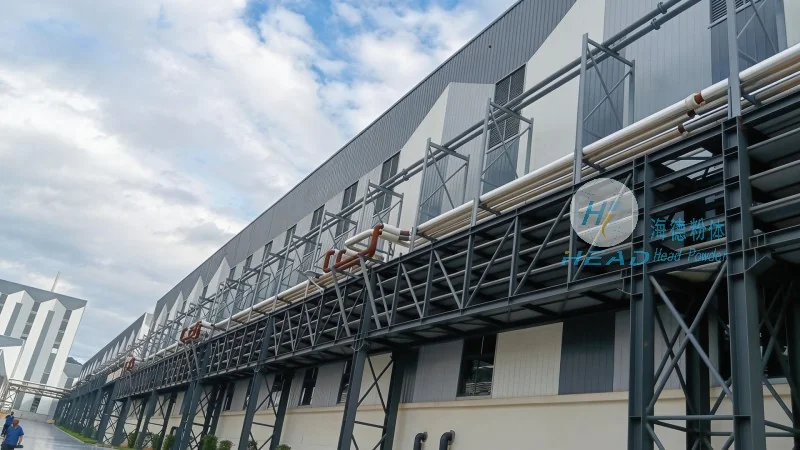
Vacuum Pneumatic Conveying Systems for Gypsum Sand
Vacuum pneumatic conveying systems utilize a vacuum to draw material from the source to the destination. This method is particularly effective for transporting gypsum sand from storage silos or hoppers to processing units or packaging areas. The system operates by creating a pressure differential, where the material is drawn into the conveying line under negative pressure. One of the key advantages of vacuum systems is their ability to handle materials with a wide range of particle sizes and moisture content. They are also suitable for conveying materials over moderate distances, typically up to several hundred meters. The design of vacuum systems often includes a receiver or hopper at the destination to collect the material, which can then be discharged through a valve or other equipment. The flexibility of vacuum conveying allows for multiple pick-up points and delivery points, making it an ideal choice for plants with complex material flow requirements. However, it is important to note that vacuum systems may require more maintenance due to the higher air flow rates and the need to manage dust and particulate matter effectively.
Positive Pressure Pneumatic Conveying Systems for Gypsum Sand
Positive pressure pneumatic conveying systems, on the other hand, use compressed air to push the material through the conveying line. This method is well-suited for applications where the material needs to be transported over longer distances or where the destination is at a higher elevation than the source. The system operates by injecting high-pressure air into the material, which is then carried through the pipeline to the destination. Positive pressure systems are generally more robust and can handle higher material loads compared to vacuum systems. They are also less prone to clogging and are suitable for materials with higher moisture content or more abrasive properties. The design of positive pressure systems typically includes a blower or compressor at the source to generate the necessary air pressure. The conveying line is usually equipped with filters and cyclones to separate the material from the air at the destination, ensuring clean air discharge. This method is particularly effective for applications where the material needs to be delivered to multiple points or where the system needs to operate continuously without interruption.
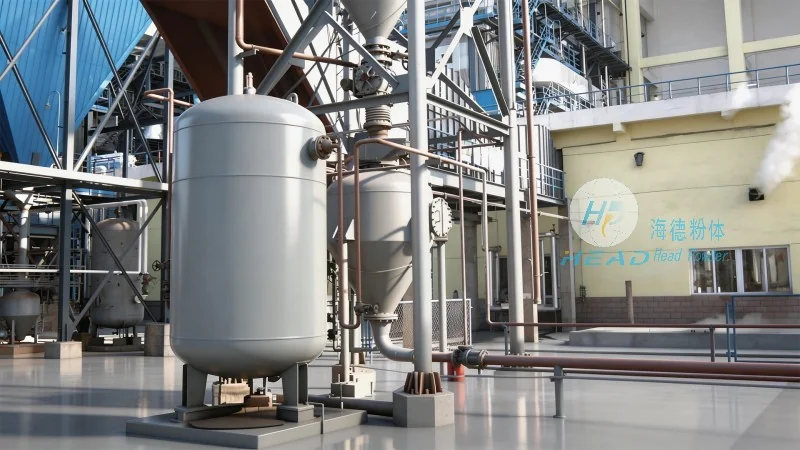
Key Considerations for Selecting the Right Gypsum Sand Pneumatic Conveying System
When selecting a pneumatic conveying system for gypsum sand, several factors need to be considered to ensure optimal performance and efficiency. The first consideration is the distance and layout of the plant. Shorter distances and simple layouts may be suitable for vacuum systems, while longer distances or complex layouts may require positive pressure systems. The second factor is the material characteristics, including particle size, moisture content, and abrasiveness. These characteristics will determine the type of equipment needed, such as the size of the hopper, the material of construction, and the filter system. The third consideration is the required material flow rate and the capacity of the system. The system must be able to handle the desired throughput without causing excessive pressure drops or clogging. Additionally, the cost of the system, including installation, maintenance, and operational costs, should be evaluated. The choice between vacuum and positive pressure systems will also depend on the specific application and the plant's operational requirements. For example, vacuum systems are often preferred for applications where the material needs to be conveyed from multiple sources to a single destination, while positive pressure systems are better suited for applications where the material needs to be delivered to multiple destinations or where the system needs to operate continuously.
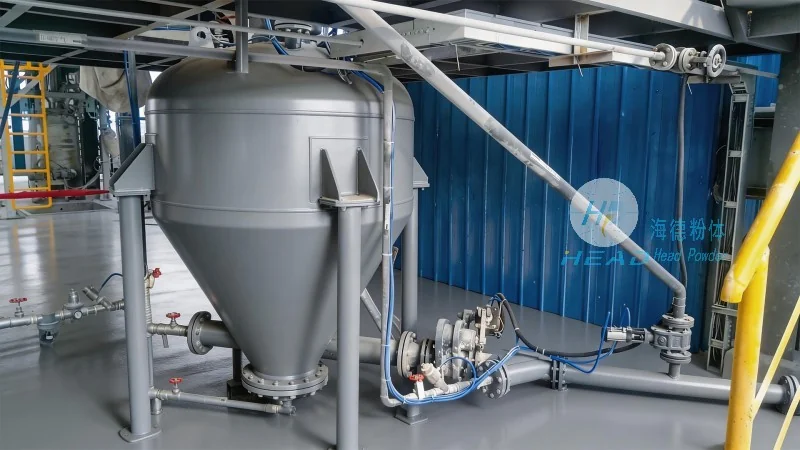
Applications of Gypsum Sand Pneumatic Conveying Systems
Gypsum sand pneumatic conveying systems are widely used in various industries, including construction, pharmaceuticals, and food processing. In the construction industry, these systems are used to transport gypsum sand from storage facilities to manufacturing plants, where it is used to produce gypsum boards and other building materials. The systems are also used in the pharmaceutical industry to transport raw materials and finished products, ensuring a clean and hygienic environment. In the food processing industry, positive pressure systems are often used to convey gypsum sand, as they can handle materials with higher moisture content and are less prone to contamination. The flexibility of pneumatic conveying systems allows them to be integrated into existing plant layouts, making them a cost-effective solution for material handling. The systems can be customized to meet the specific needs of each application, ensuring optimal performance and efficiency.
Conclusion
Gypsum sand pneumatic conveying technology offers a reliable and efficient solution for transporting bulk materials in various industrial applications. The choice between vacuum and positive pressure systems depends on the specific requirements of the plant, including the distance, layout, and material characteristics. Vacuum systems are suitable for shorter distances and simple layouts, while positive pressure systems are better suited for longer distances and more complex layouts. Both systems have their advantages and disadvantages, and the selection should be based on a thorough analysis of the operational needs and cost considerations. By understanding the nuances of each system, industrial facilities can choose the most appropriate pneumatic conveying solution to enhance their material handling processes and improve overall productivity. As a leading provider of engineering solutions, Shandong HeadPowder Engineering Co., Ltd. specializes in designing and manufacturing customized pneumatic conveying systems tailored to the unique needs of each client. With years of experience in the industry, the company offers expert guidance and high-quality equipment to ensure optimal performance and efficiency in gypsum sand handling applications.




