HeadPowder, a leading provider in the field of material handling solutions, specializes in advanced pneumatic conveying systems tailored for polyethylene applications. This article delves into the technical nuances of both negative pressure and positive pressure pneumatic conveying, exploring their operational principles, key differences, and practical applications in industrial settings. By understanding the distinct characteristics of each system, industries can optimize material transport efficiency, reduce operational costs, and enhance overall process reliability.
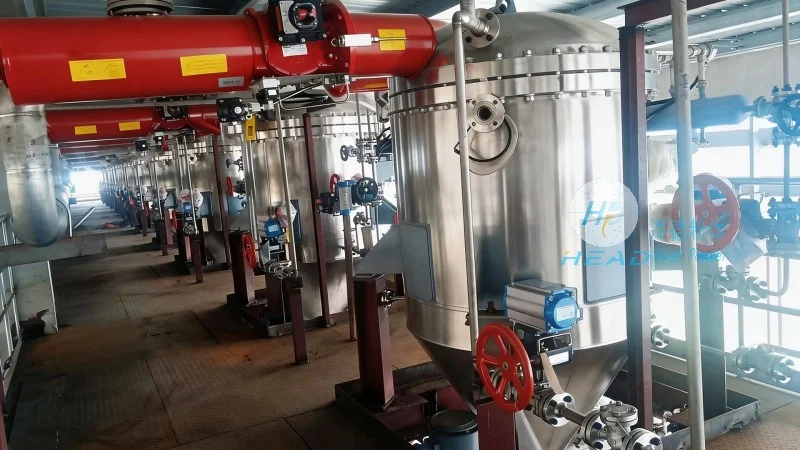
Shandong HeadPowder Engineering Co., Ltd., headquartered in Shandong, China, has been at the forefront of developing innovative solutions for bulk material handling. The company's expertise lies in designing customized pneumatic conveying systems that meet the specific demands of polyethylene processing, storage, and distribution. With a focus on precision engineering and robust construction, HeadPowder ensures that its systems deliver consistent performance and durability in demanding industrial environments.
Understanding Pneumatic Conveying Systems for Polyethylene
Pneumatic conveying is a critical technology for transporting polyethylene, a widely used thermoplastic, from storage to processing units. This method eliminates the need for mechanical components like conveyors or elevators, offering a more hygienic and flexible solution for handling polyethylene pellets or powders. The two primary types of pneumatic conveying systems are negative pressure (or suction) and positive pressure (or pressure) systems, each with unique advantages and applications.
Negative Pressure (Suction) Pneumatic Conveying Systems
Negative pressure systems operate by creating a vacuum at the material pickup point, drawing polyethylene from a storage hopper or silo into the conveying line. This method is particularly effective for applications where the material source is elevated or when a gentle, low-velocity transport is required to minimize product degradation. The suction mechanism uses a fan or blower to create the vacuum, and the material is carried by the airflow through the pipeline to the destination point.
Key advantages of negative pressure systems include their ability to handle fine powders and pellets without causing excessive wear on the system components. The low velocity of the airflow reduces the risk of product breakage or agglomeration, making it suitable for sensitive polyethylene grades. Additionally, these systems are often more energy-efficient as they rely on the suction fan to move material against the resistance of the pipeline, rather than generating high-pressure air.
However, negative pressure systems have limitations, such as their lower conveying distances compared to positive pressure systems and the need for a sealed material source to prevent air leakage. The vacuum created can also affect the material's moisture content if not properly controlled, which is crucial for polyethylene processing where moisture can impact the final product quality.
Positive Pressure (Pressure) Pneumatic Conveying Systems
Positive pressure systems, conversely, use compressed air to push polyethylene through the conveying line. A blower or compressor generates high-pressure air that propels the material from the source to the destination. This method is ideal for longer conveying distances and for handling larger quantities of polyethylene, as it can maintain a consistent flow rate over extended pipelines.
The primary benefits of positive pressure systems include their ability to transport materials over greater distances and at higher flow rates. The high-pressure air ensures that the material remains in suspension, reducing the risk of blockages and ensuring smooth operation. These systems are particularly suitable for applications where the material source is at a lower elevation or when rapid material transfer is required, such as in high-speed production lines.
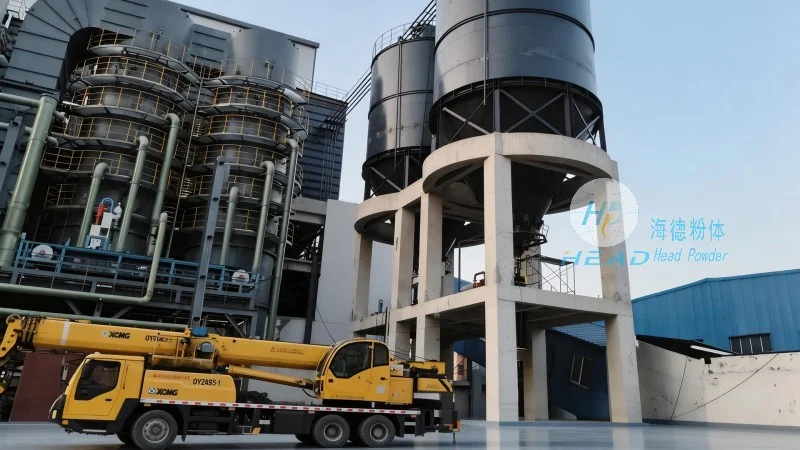
Despite their efficiency in long-distance transport, positive pressure systems require more robust components to withstand the high-pressure air and the abrasive nature of polyethylene particles. The increased air pressure also leads to higher energy consumption compared to negative pressure systems, which can impact operational costs. Additionally, the high velocity of the air can cause more wear on the pipeline and components, necessitating regular maintenance and potential upgrades.
Key Differences Between Negative and Positive Pressure Systems
When comparing negative and positive pressure pneumatic conveying systems for polyethylene, several factors must be considered to determine the most suitable option. The most significant difference lies in the direction of air flow and the pressure differential. Negative pressure systems use suction to draw material, while positive pressure systems use pressure to push material. This fundamental difference affects the system's design, energy consumption, and operational efficiency.
Another critical distinction is the conveying distance and material throughput. Negative pressure systems are generally limited to shorter distances (typically up to 100 meters) due to the vacuum's ability to maintain material suspension. In contrast, positive pressure systems can handle longer distances (up to several hundred meters or more) with higher material flow rates. This makes positive pressure systems more suitable for large-scale polyethylene production facilities where long-distance transport is required.
The material characteristics also play a role in system selection. Fine polyethylene powders or pellets with low bulk density are better suited for negative pressure systems due to their lower velocity requirements. Coarser or bulkier polyethylene materials, on the other hand, benefit from the higher pressure and velocity of positive pressure systems, which ensure consistent suspension and reduced blockage risk.
Energy consumption is another important consideration. Negative pressure systems are more energy-efficient as they operate at lower air pressures, using the suction fan to move material against the pipeline's resistance. Positive pressure systems, however, require more energy due to the high-pressure air generation and the need to maintain a consistent flow rate over longer distances. This can impact the overall operational costs, especially for facilities with high material throughput.
Applications of Pneumatic Conveying in Polyethylene Processing
Pneumatic conveying systems are widely used in various stages of polyethylene processing, from raw material handling to finished product distribution. In storage facilities, negative pressure systems are commonly employed to transfer polyethylene from silos to processing units, ensuring a continuous supply of material without manual intervention. The gentle transport method minimizes product degradation, preserving the quality of the polyethylene pellets or powders.
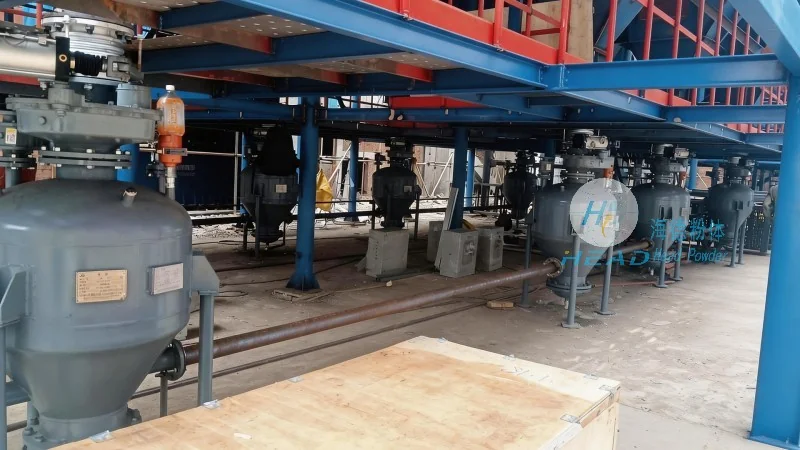
In production lines, positive pressure systems are often used to move polyethylene from the processing unit to packaging or storage areas. The high flow rates and long-distance capabilities of these systems enable efficient material transfer, supporting high-speed production rates. For example, in polymer manufacturing plants, positive pressure conveying is used to transport polyethylene from reactors to extrusion lines, where it is further processed into films, pipes, or other products.
Another application is in recycling facilities, where polyethylene waste is collected and transported to processing units using pneumatic conveying. Both negative and positive pressure systems can be adapted for recycling applications, depending on the material's condition and the required transport distance. The ability to handle contaminated or mixed materials without mechanical contact makes pneumatic conveying an ideal solution for recycling processes.
In addition to industrial processing, pneumatic conveying systems are used in research and development settings to transport polyethylene samples for testing and analysis. The precise control over material flow and velocity allows researchers to study the properties of different polyethylene grades under controlled conditions, contributing to product development and quality assurance.
Advantages and Challenges of Pneumatic Conveying for Polyethylene
Both negative and positive pressure pneumatic conveying systems offer significant advantages for polyethylene handling, including improved efficiency, reduced labor costs, and enhanced product quality. The elimination of mechanical components like conveyors or elevators minimizes the risk of product contamination and damage, which is critical for polyethylene applications where purity and consistency are paramount.
However, challenges remain, particularly in terms of system maintenance and material compatibility. Pneumatic conveying systems require regular maintenance to ensure optimal performance, as the high velocity of air and the abrasive nature of polyethylene particles can cause wear on components such as pipelines, valves, and fans. Regular inspections and replacements of worn parts are necessary to prevent system downtime and maintain efficiency.
Material compatibility is another consideration, as different polyethylene grades may have varying properties that affect system performance. For instance, some polyethylene types may be more prone to static electricity, which can cause material buildup in the pipeline. Proper grounding and anti-static measures are essential to prevent such issues and ensure smooth operation.
Energy efficiency is also a key factor, as the cost of compressed air can impact the overall operational expenses. While negative pressure systems are generally more energy-efficient, the trade-off is the limitation in conveying distance. Positive pressure systems, though more energy-intensive, offer greater flexibility in terms of distance and flow rate, making them suitable for larger-scale operations.




