

Design Considerations for Potassium Hydroxide Pneumatic Conveying Systems
When designing a pneumatic conveying system for potassium hydroxide, several critical factors must be considered to ensure efficiency, safety, and longevity. This article outlines key design considerations, focusing on the technical and operational aspects essential for successful implementation.
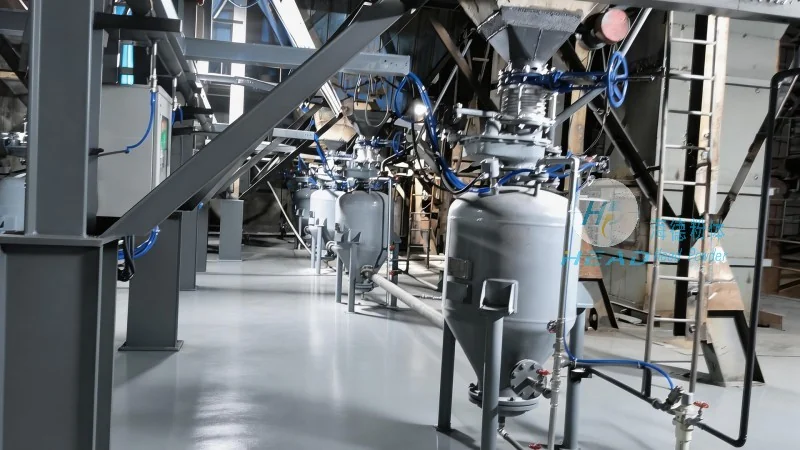
Introduction to Potassium Hydroxide Pneumatic Conveying
Potassium hydroxide (KOH), a strong base commonly used in chemical manufacturing, requires specialized handling due to its reactivity and potential for dust generation. Pneumatic conveying systems offer an effective solution for transporting this material, but proper design is crucial to prevent system failures, material degradation, and safety hazards. The following considerations are tailored to the unique properties of KOH and the operational requirements of industrial applications.
Key Design Factors for KOH Pneumatic Conveying Systems
1. **Material Selection for System Components**: The choice of materials for pipes, valves, and other components is paramount. KOH is highly corrosive, so materials such as stainless steel (e.g., 316L) or specialized alloys are recommended to resist chemical attack and maintain system integrity over time. Additionally, components exposed to high temperatures or pressure should be engineered to withstand these conditions without compromising safety.
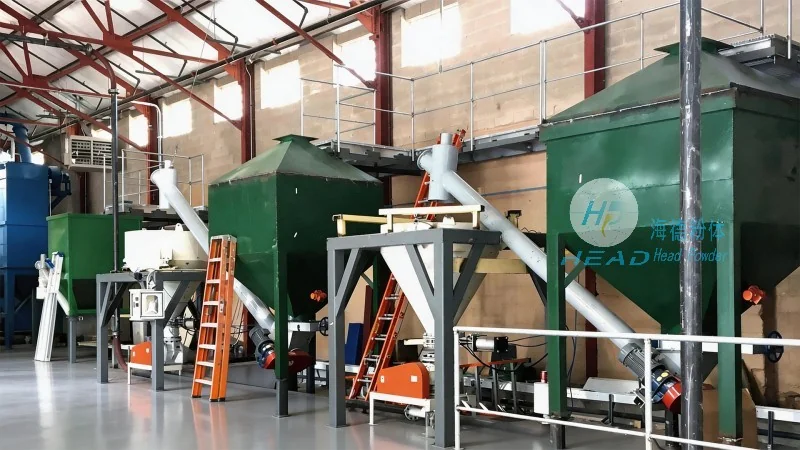
2. **Conveying Velocity and Pressure Control**: The velocity of the conveying air and the system pressure are critical parameters. Excessive velocity can cause material degradation or equipment wear, while insufficient velocity may lead to system blockages. Proper pressure control ensures consistent material flow and prevents pressure spikes that could damage components. Engineers must calculate optimal velocity based on the material's bulk density, particle size, and system layout to achieve efficient and reliable operation.
3. **System Layout and Flow Path Optimization**: The design of the conveying path, including the number of bends, vertical and horizontal segments, and the placement of feeding and discharge points, significantly impacts system performance. A well-optimized layout minimizes pressure losses and reduces the risk of material accumulation or blockages. For KOH, which can be abrasive, smooth pipe surfaces and minimal bends are recommended to reduce wear and maintain consistent flow.
4. **Dust Control and Safety Measures**: KOH dust is hazardous and can cause respiratory issues or chemical burns. Effective dust control measures, such as sealed systems, filtration, and proper ventilation, are essential. Additionally, safety protocols, including emergency shut-off valves and pressure relief devices, must be integrated into the design to prevent accidents and protect personnel. Compliance with local regulations regarding hazardous material handling is also a critical consideration.
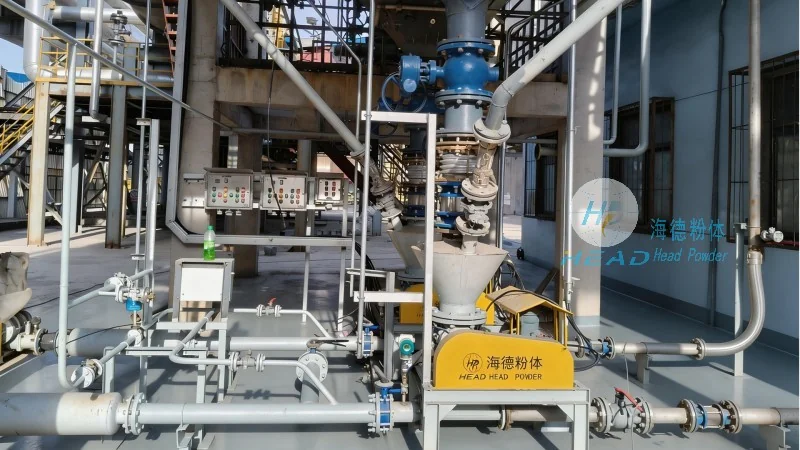
Role of Shandong HeadPowder Engineering Co., Ltd.
Shandong HeadPowder Engineering Co., Ltd., a leading provider of industrial conveying solutions, specializes in designing and implementing custom pneumatic conveying systems for potassium hydroxide and other chemical materials. With years of experience in the field, the company understands the unique challenges associated with KOH handling and offers tailored solutions that address the key design considerations outlined above. Their expertise in material selection, system layout, and safety compliance ensures that clients receive reliable, efficient, and safe conveying systems.
Conclusion
Designing a pneumatic conveying system for potassium hydroxide requires a comprehensive approach that considers material properties, operational parameters, and safety requirements. By addressing factors such as material selection, pressure control, system layout, and dust management, engineers can develop systems that maximize efficiency, minimize downtime, and ensure the safe handling of this critical chemical. Companies like Shandong HeadPowder Engineering Co., Ltd. play a vital role in providing expert guidance and customized solutions to meet the specific needs of industrial applications.