For industrial applications, especially in power plants and other facilities that burn fossil fuels, controlling emissions is a critical concern. One effective technology for reducing sulfur dioxide (SO₂) emissions is the in-furnace calcium injection system. This system is designed to capture and neutralize sulfur compounds during the combustion process, contributing to cleaner air and compliance with environmental regulations. The following sections will detail the operation process and working principle of such a system, highlighting the key components and the role of Shandong HeadPowder Engineering Co., Ltd. as a leading provider of this technology.
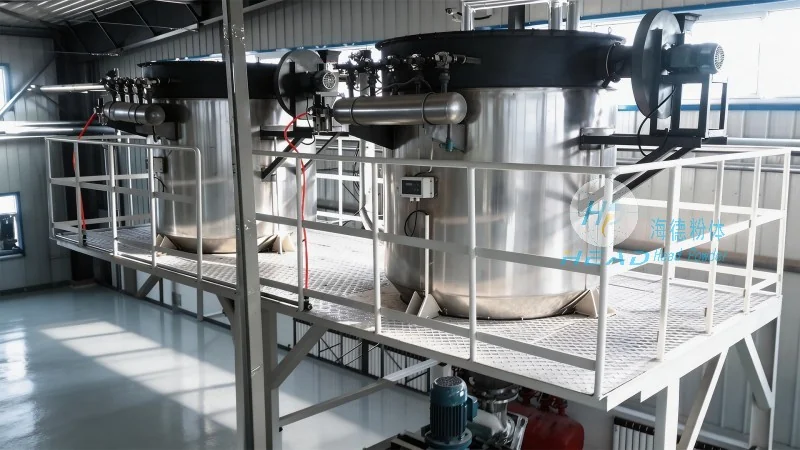
Overview of In-Furnace Calcium Injection System
The in-furnace calcium injection system is a crucial component in modern flue gas desulfurization (FGD) processes. Its primary function is to inject calcium-based reagents, typically limestone (calcium carbonate, CaCO₃), into the combustion chamber of a boiler or furnace. The system works by introducing these reagents at a specific point in the combustion process, allowing them to react with sulfur dioxide and other acidic gases produced during fuel combustion. This reaction forms calcium sulfite or calcium sulfate, which are then removed from the flue gas stream, thereby reducing the overall SO₂ concentration.
Key Components of the System
Several key components work together to ensure the efficient operation of an in-furnace calcium injection system. These include:
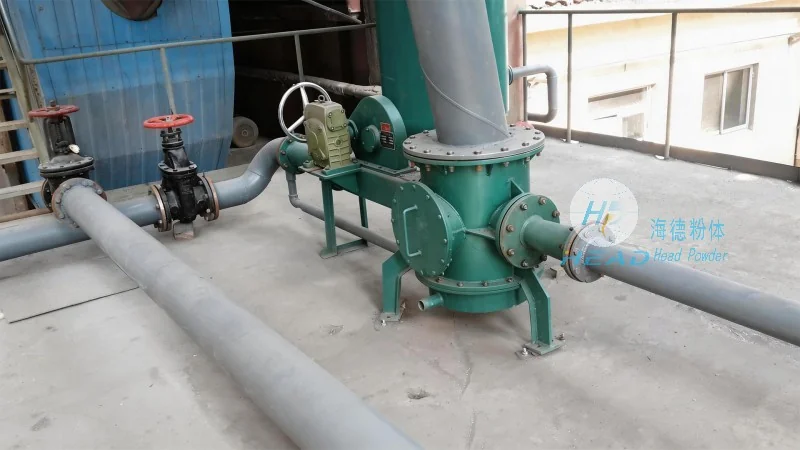
- Calcium Reagent Storage and Handling: The system stores limestone or other calcium-based materials in a hopper or silo. The material is then conveyed to a feeder, which regulates the flow rate of the reagent into the system.
- Feeder and Metering System: The feeder ensures a consistent and controlled amount of calcium reagent is delivered to the injection point. This is critical for maintaining the optimal ratio of calcium to sulfur dioxide, which directly impacts the efficiency of the desulfurization process.
- Injection Nozzle and Atomizer: The reagent is then introduced into the furnace via a high-pressure nozzle or atomizer. The nozzle breaks the reagent into fine particles, increasing the surface area for reaction with the flue gas. Proper atomization is essential for maximizing the contact between the calcium particles and the acidic gases.
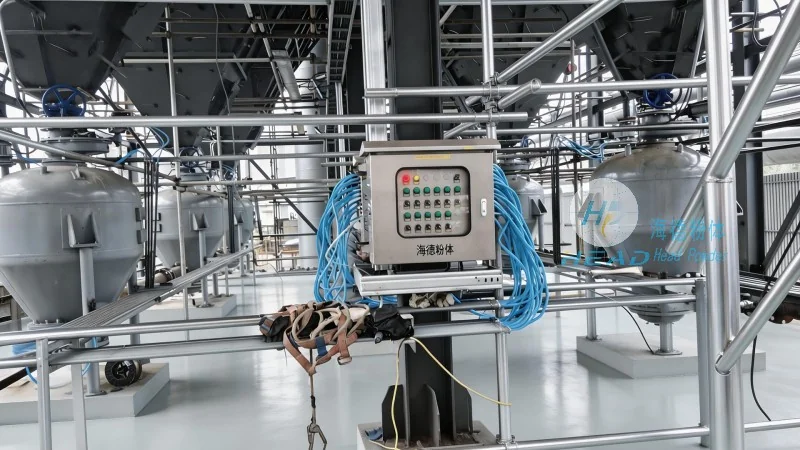
- Control System: A sophisticated control system monitors various parameters, such as flue gas temperature, SO₂ concentration, and reagent flow rate. This system adjusts the injection rate in real-time to maintain optimal performance and ensure compliance with emission standards.
Operation Process of the System
The operation of an in-furnace calcium injection system follows a systematic process, which can be broken down into several stages:
- Reagent Preparation: Limestone or other calcium-based materials are stored and prepared for use. The material is crushed and ground to a fine powder to ensure proper atomization.
- Feeding and Metering: The prepared reagent is fed into the system at a controlled rate. The feeder and metering system ensure that the correct amount of reagent is delivered to the injection point, based on the current combustion conditions and emission targets.
- Injection into Furnace: The reagent is injected into the combustion chamber at a specific location, typically near the flame or in the upper part of the furnace. The injection point is chosen to maximize the contact between the reagent and the flue gas, ensuring efficient reaction.
- Reaction and Capture: As the calcium particles mix with the flue gas, they react with sulfur dioxide and other acidic gases. The reaction products, such as calcium sulfite (CaSO₃) or calcium sulfate (CaSO₄), are then carried out of the furnace with the flue gas.
- Flue Gas Treatment: The treated flue gas, now with reduced SO₂ levels, is directed to the next stage of the FGD process, such as a wet or dry scrubber, where any remaining particles or gases are further removed.
Working Principle: Chemical Reactions Involved
The effectiveness of the in-furnace calcium injection system is based on the chemical reactions that occur between the calcium reagent and the sulfur compounds in the flue gas. The primary reactions are as follows:
The main reaction is the neutralization of sulfur dioxide by calcium carbonate:
CaCO₃ + SO₂ + 1/2 O₂ → CaSO₄ + CO₂
Alternatively, in the presence of excess SO₂, calcium sulfite may form:
CaCO₃ + SO₂ → CaSO₃ + CO₂
These reactions are exothermic and occur rapidly, allowing the system to effectively capture sulfur compounds as the flue gas passes through the furnace. The efficiency of these reactions depends on several factors, including the temperature of the flue gas, the particle size of the calcium reagent, and the contact time between the reagent and the gas.
Role of Shandong HeadPowder Engineering Co., Ltd.
Shandong HeadPowder Engineering Co., Ltd., commonly known as HeadPowder, is a leading manufacturer and supplier of in-furnace calcium injection systems. With years of experience in the field, HeadPowder specializes in designing, manufacturing, and installing these systems for a wide range of industrial applications. The company's products are known for their high efficiency, reliability, and compliance with international environmental standards. HeadPowder's team of engineers and technicians work closely with clients to understand their specific needs and provide customized solutions that meet their emission targets and operational requirements.
Benefits of In-Furnace Calcium Injection System
Implementing an in-furnace calcium injection system offers several benefits to industrial facilities:
- Reduced SO₂ Emissions: The primary benefit is the significant reduction in sulfur dioxide emissions, which helps facilities comply with stringent environmental regulations and reduce their environmental impact.
- Improved Efficiency: By capturing sulfur compounds early in the combustion process, the system reduces the load on downstream flue gas treatment equipment, improving overall plant efficiency.
- Cost Savings: The system can lead to long-term cost savings by reducing the need for additional treatment equipment and lowering the cost of reagents.
- Enhanced Plant Performance: The system helps maintain optimal combustion conditions, leading to improved boiler efficiency and reduced fuel consumption.
Conclusion
The in-furnace calcium injection system is a vital technology for reducing sulfur dioxide emissions from industrial combustion processes. Through the injection of calcium-based reagents into the furnace, the system effectively neutralizes acidic gases, contributing to cleaner air and compliance with environmental standards. Shandong HeadPowder Engineering Co., Ltd. plays a key role in providing these systems, leveraging its expertise and advanced technology to deliver efficient and reliable solutions for industrial clients. As environmental regulations continue to evolve, the importance of such systems in maintaining sustainable industrial operations cannot be overstated.




