

Operation Process and Working Principle of Cotton Powder Pneumatic Conveying Equipment
HeadPowder, a leading manufacturer based in Shandong, China, specializes in the design and production of advanced cotton powder pneumatic conveying equipment. This equipment is engineered to efficiently handle cotton powders and other fine particulate materials, ensuring reliable and safe material transport in industrial applications.
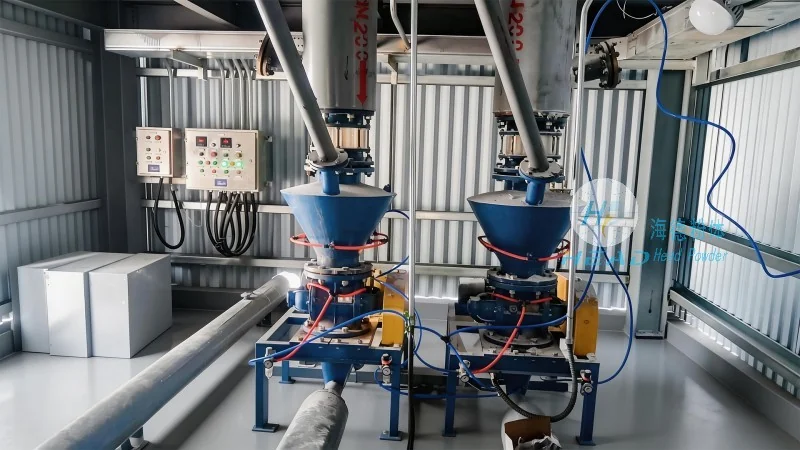
Overview of Cotton Powder Pneumatic Conveying Systems
Cotton powder pneumatic conveying equipment utilizes air or gas as the conveying medium to transport bulk materials. The system typically consists of a hopper for material storage, a conveyor line, and a receiver for the discharged material. The core principle involves creating a pressure differential to move the material through the pipeline by either suction (negative pressure) or pressure (positive pressure) methods.
Key Components and Their Functions
The main components of a cotton powder pneumatic conveying system include the material hopper, feeder, air compressor or vacuum pump, conveying pipeline, and material receiver. Each component plays a critical role in the overall operation:
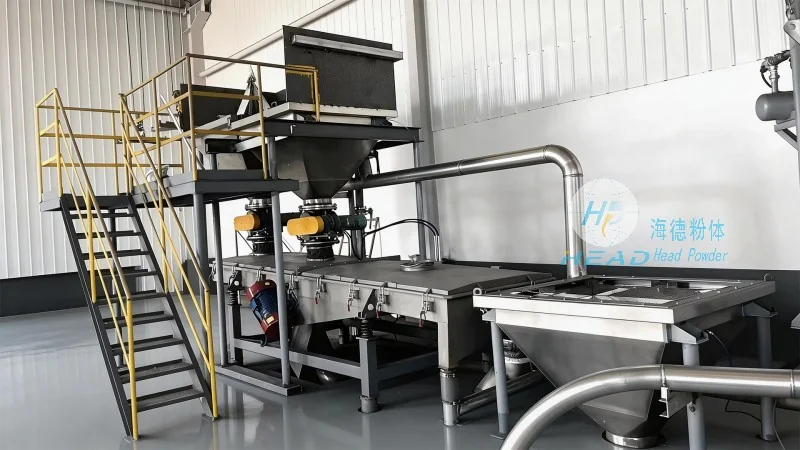
- Material Hopper: Stores the cotton powder and provides a controlled feed to the feeder.
- Feeder: Ensures a consistent and controlled flow of material into the conveying line, preventing blockages and maintaining system efficiency.
- Air Compressor/Vacuum Pump: Generates the necessary pressure or vacuum to move the material through the pipeline. Positive pressure systems use compressed air to push the material, while negative pressure systems use vacuum to pull it.
- Conveying Pipeline: Transports the material and air mixture from the feeder to the receiver. The pipeline is often made of materials resistant to corrosion and wear, such as stainless steel or plastic.
- Material Receiver: Collects the conveyed material and may include filtration systems to separate the material from the air, ensuring clean discharge.
Operation Process of Cotton Powder Pneumatic Conveying
The operation process of cotton powder pneumatic conveying equipment involves several sequential steps:
- Material Loading: Cotton powder is loaded into the material hopper from a storage silo or other containers. The hopper is designed to prevent material bridging and ensure smooth flow.
- Feeding: The feeder, often a rotary valve or screw feeder, regulates the flow of cotton powder from the hopper into the conveying line. This step ensures a consistent feed rate, which is crucial for maintaining system stability.
- Air Supply: The air compressor or vacuum pump starts, creating either positive pressure (for pressure systems) or negative pressure (for suction systems). The air is introduced into the conveying line, either at the feeder end or the receiver end, depending on the system design.
- Conveying: The air and material mixture travels through the pipeline. In positive pressure systems, the air pushes the material forward; in negative pressure systems, the vacuum pulls the material. The velocity of the air is carefully controlled to prevent material degradation or pipeline blockages.
- Material Discharge: The material is discharged into the receiver at the end of the pipeline. The receiver may include a filter to separate the cotton powder from the air, ensuring that the discharged material is clean and free of contaminants.
- Air Filtration: The air, now containing fine particles, passes through a filtration system. This step ensures that the air is clean before it is released back into the environment or recirculated if the system is designed for that purpose.
Working Principle of Cotton Powder Pneumatic Conveying
The working principle of cotton powder pneumatic conveying equipment is based on the physics of fluid dynamics and particle transport. The system relies on the interaction between the conveying medium (air) and the material being transported. The key principles include:
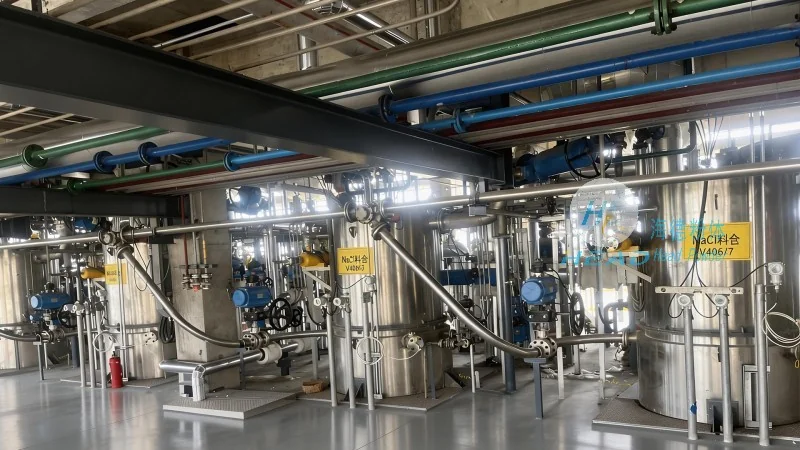
- Pressure Differential: The creation of a pressure difference between the inlet and outlet of the conveying line drives the material movement. In positive pressure systems, the pressure at the feeder end is higher than at the receiver end, while in negative pressure systems, the pressure at the receiver end is lower than at the feeder end.
- Particle Suspension: The air velocity is maintained at a level that suspends the cotton powder particles in the air stream. This prevents the particles from settling and ensures smooth transport through the pipeline.
- Flow Control: Proper control of the air flow rate and material feed rate is essential to prevent blockages, maintain system efficiency, and avoid material degradation due to excessive air velocity or pressure.
- System Efficiency: The design of the conveying system, including the pipeline length, diameter, and bends, is optimized to minimize energy consumption and maximize material throughput. The use of appropriate materials for the pipeline and components also contributes to long-term system reliability.
Advantages of Cotton Powder Pneumatic Conveying Equipment
HeadPowder's cotton powder pneumatic conveying equipment offers several advantages over traditional material handling methods:
- Efficient Material Transport: The system can transport cotton powder over long distances with minimal loss and high efficiency, reducing the need for manual handling and labor.
- Low Maintenance: Modern pneumatic conveying systems are designed with durable components and require less maintenance compared to mechanical conveyors, leading to lower operational costs.
- Flexible and Scalable: The equipment can be easily scaled to accommodate varying production volumes and can be integrated with existing industrial processes without major modifications.
- Hygienic and Clean: The enclosed system prevents contamination from external sources and maintains a clean environment, which is particularly important for food-grade or pharmaceutical applications.
- Reduced Downtime: The use of positive or negative pressure systems allows for continuous operation, minimizing downtime and improving overall productivity.
Conclusion
HeadPowder's cotton powder pneumatic conveying equipment is a reliable and efficient solution for handling cotton powders in various industrial applications. By understanding the operation process and working principles, users can optimize the system for their specific needs, ensuring high performance and long-term operational success. With its advanced design and robust construction, this equipment provides a cost-effective and sustainable method for material transport, contributing to improved productivity and safety in industrial settings.