

Operation Process and Working Principle of Feed Powder Pneumatic Conveying Equipment
Feed powder pneumatic conveying equipment is a pivotal technology in modern feed processing and handling. This equipment is engineered to efficiently transport bulk feed powders from storage to processing areas or between different stages of production. The system is particularly valuable in agricultural and animal feed manufacturing, where reliable and safe material transport is essential for maintaining operational efficiency and product quality. As a leading manufacturer, Shandong HeadPowder Engineering Co., Ltd. specializes in developing and supplying advanced pneumatic conveying solutions tailored to the unique demands of feed processing industries.
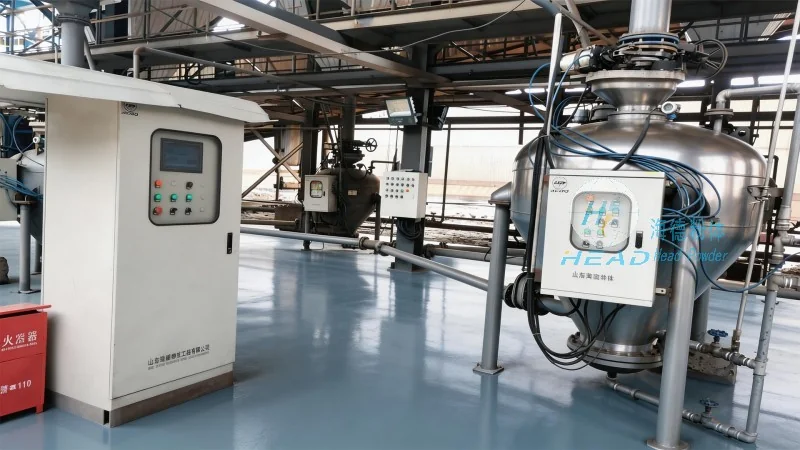
Key Components and Their Functions
A typical feed powder pneumatic conveying system comprises several critical components that collaborate to achieve seamless material transport. The primary components include a feed hopper or storage tank, which holds the feed powder; a conveyor line (either positive or negative pressure), which transports the material; a blower or compressor, which generates the necessary air flow; and a receiver or discharge unit, where the material is collected. Auxiliary components such as filters, cyclones, and control valves are integrated to enhance system performance and ensure proper operation. Each component plays a vital role: the hopper ensures a consistent feed supply, the blower creates the pressure differential for material movement, and the receiver collects the transported powder. Proper sizing and selection of these components are crucial for optimal system performance and energy efficiency.
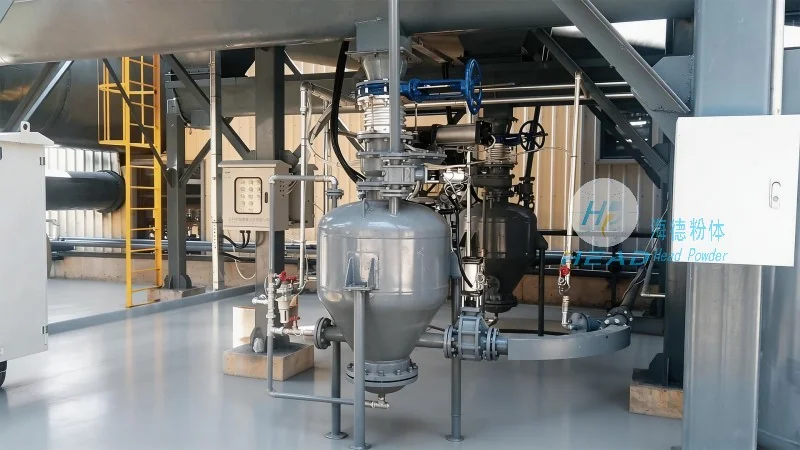
The Step-by-Step Operation Process
The operation of a feed powder pneumatic conveying system follows a systematic sequence of steps that ensure efficient material transport. The process begins with the feed material being loaded into the hopper. From there, the material is drawn into the conveyor line by the action of the blower, which creates a pressure gradient that propels the feed powder forward. The air flow, combined with the feed powder, travels through the pipeline to the discharge point, where it is collected in the receiver. The system may also include a return line to recycle unused air, improving energy efficiency. Throughout the process, sensors and control valves monitor parameters such as pressure, flow rate, and material level, ensuring the system operates within safe and efficient parameters. This automated control system enhances reliability and reduces the risk of operational errors.
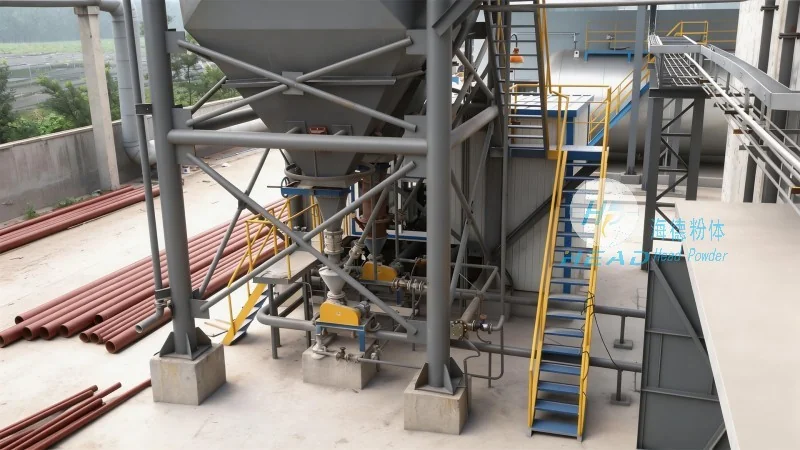
Working Principle Explained
The working principle of pneumatic conveying is based on fluid dynamics and particle transport mechanics. In a positive pressure system, the blower supplies compressed air that forces the feed powder through the pipeline. The air provides the necessary momentum to carry the particles, while the pipeline design ensures minimal pressure loss. In a negative pressure system, the blower creates a vacuum that draws the air and powder mixture from the feed point to the discharge point. The choice between positive and negative pressure depends on factors like the distance to be covered, the feed material's characteristics, and the desired flow rate. Variables such as air velocity, particle size, and moisture content significantly impact system efficiency. Proper design, including pipeline diameter and length, is essential to maintain optimal air-particle ratios and prevent blockages or excessive energy consumption.
Advantages Over Traditional Conveying Methods
Implementing pneumatic conveying systems in feed processing facilities offers several advantages over conventional mechanical conveying methods. One key benefit is the reduction in dust generation, which enhances workplace safety and minimizes fire hazards. Pneumatic systems also require less maintenance due to fewer moving parts and lower wear rates. The compact design allows for easier integration into existing layouts, saving space and reducing installation costs. Additionally, the ability to transport feed powders over long distances without intermediate storage points improves operational efficiency and reduces downtime. These advantages make pneumatic conveying an attractive option for feed manufacturers seeking to enhance productivity and maintain high standards of safety and quality.
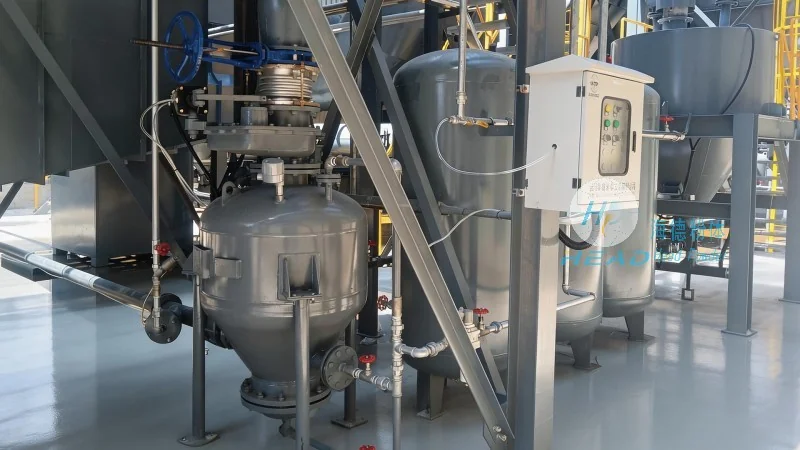
Customization and Application in Feed Production
Shandong HeadPowder Engineering Co., Ltd. recognizes that feed processing facilities have diverse requirements, and thus provides customized pneumatic conveying solutions to meet specific operational needs. The company's engineering team works closely with clients to assess their feed handling challenges and design systems that optimize material transport efficiency. Whether the application involves short-distance transport within a facility or long-distance transfer between production and storage areas, the customized solutions ensure reliable and safe feed powder transport. The company's expertise allows them to address various feed types, including high-moisture or abrasive powders, by selecting appropriate materials for conveyor components and adjusting system parameters. This tailored approach ensures the final solution is not only efficient but also cost-effective and durable, delivering long-term value to clients.