

Operation Process and Working Principle of Small Bag Quantitative Weighing Pneumatic Conveying
Small bag quantitative weighing pneumatic conveying systems are advanced industrial solutions designed to handle bulk materials with precision and efficiency. These systems are widely used in various industries, including pharmaceuticals, food processing, and chemical manufacturing, where accurate material handling is critical for quality control and operational consistency. The technology integrates pneumatic conveying with automated weighing mechanisms to ensure that materials are transported and measured with high accuracy, minimizing errors and optimizing production processes.
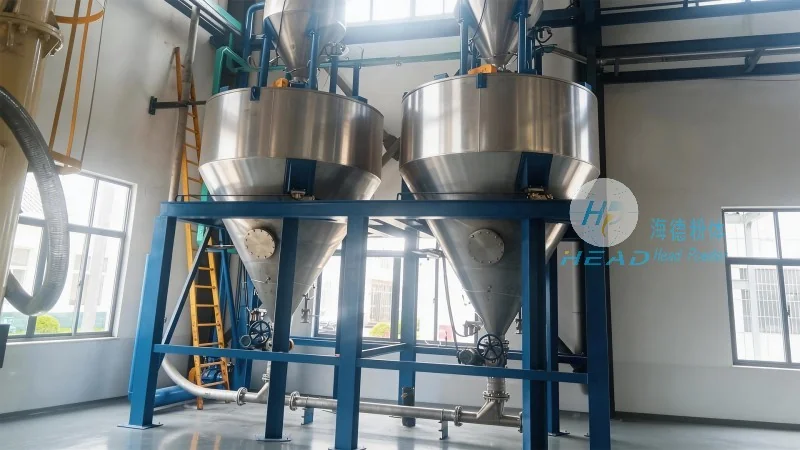
Company Overview: Shandong HeadPowder Engineering Co., Ltd.
HeadPowder, a leading manufacturer in the field of material handling equipment, specializes in developing and supplying high-quality pneumatic conveying systems. With a strong commitment to innovation and customer satisfaction, the company has established itself as a trusted partner for businesses seeking reliable and efficient material handling solutions. HeadPowder's products are engineered to meet the diverse needs of different industries, offering customized solutions that enhance operational efficiency and reduce costs. The company's headquarters is located in Shandong, China, where it maintains state-of-the-art manufacturing facilities and a dedicated research and development team.
Key Components and Working Principle
The small bag quantitative weighing pneumatic conveying system typically consists of several key components, each playing a crucial role in the overall operation. The system begins with a hopper or storage bin that holds the bulk material. From there, the material is fed into a feeder, which controls the flow rate to ensure a consistent supply. The feeder is connected to a pneumatic conveying line, which uses compressed air to transport the material from the source to the destination. At the receiving end, a weighing hopper or scale is used to measure the quantity of material delivered. The system may also include a control panel that monitors and adjusts the flow rate and pressure to maintain the desired weighing accuracy.
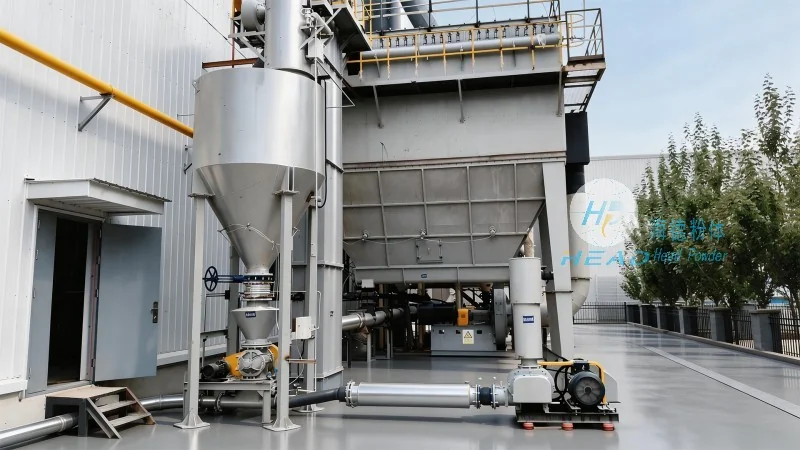
Operation Process: Step-by-Step Explanation
The operation of a small bag quantitative weighing pneumatic conveying system involves a series of coordinated steps to ensure accurate material transfer. First, the bulk material is loaded into the storage hopper. The feeder then starts, and the material is gradually released into the pneumatic conveying line. Compressed air is introduced into the line, creating a flow that propels the material through the system. The material travels to the weighing hopper, where it is deposited and weighed. The control system continuously monitors the weight and adjusts the feeder speed or air pressure as needed to maintain the target weight. Once the desired quantity is achieved, the system stops, and the material is ready for further processing or packaging. This process is typically automated, reducing the need for manual intervention and minimizing human error.
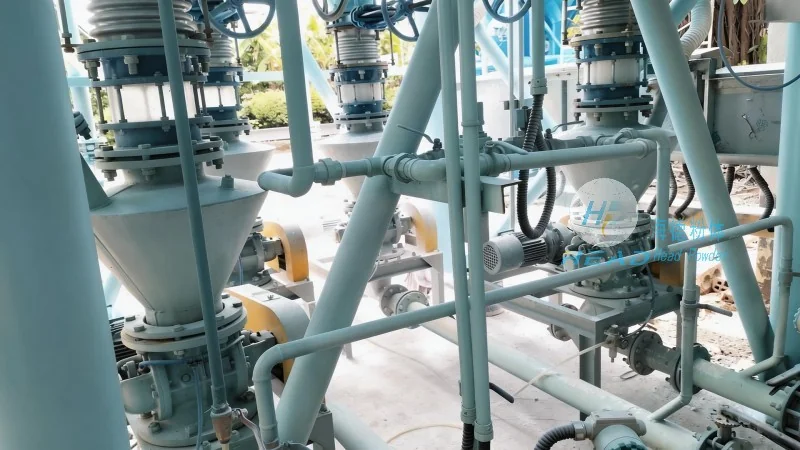
Advantages of Small Bag Quantitative Weighing Pneumatic Conveying
Small bag quantitative weighing pneumatic conveying systems offer several advantages over traditional material handling methods. One of the primary benefits is the high level of accuracy in material measurement, which is essential for industries where precise dosing is required. The system also provides a dust-free and hygienic environment, which is particularly important in food and pharmaceutical applications. Additionally, the pneumatic conveying method allows for the transport of materials over long distances without the need for complex infrastructure, such as conveyor belts or elevators. The automated nature of the system reduces labor costs and increases production efficiency, making it a cost-effective solution for businesses. Furthermore, the system can be easily integrated with other production equipment, such as packaging machines, to create a seamless workflow.
Applications and Industries
Small bag quantitative weighing pneumatic conveying systems are applicable in a wide range of industries. In the pharmaceutical industry, these systems are used to transport and weigh active pharmaceutical ingredients (APIs) and excipients with high precision, ensuring that each batch meets the strict quality standards. In the food processing industry, the systems handle ingredients like flour, sugar, and spices, maintaining hygiene and accuracy in the production of food products. The chemical industry also benefits from these systems, as they can handle various chemicals and powders, including those that are hazardous or require special handling. Other industries, such as agriculture and mining, also utilize pneumatic conveying systems for material transport and weighing, improving operational efficiency and safety.