Shandong HeadPowder Engineering Co., Ltd., a leading provider in the field, specializes in the design, manufacturing, and implementation of fine powder pneumatic conveying systems. These systems are crucial for the efficient and safe transport of fine powders in various industrial applications, such as pharmaceuticals, food processing, and chemical manufacturing. The following content provides a detailed overview of the operation process and working principles of such systems, emphasizing the technical aspects and practical applications.
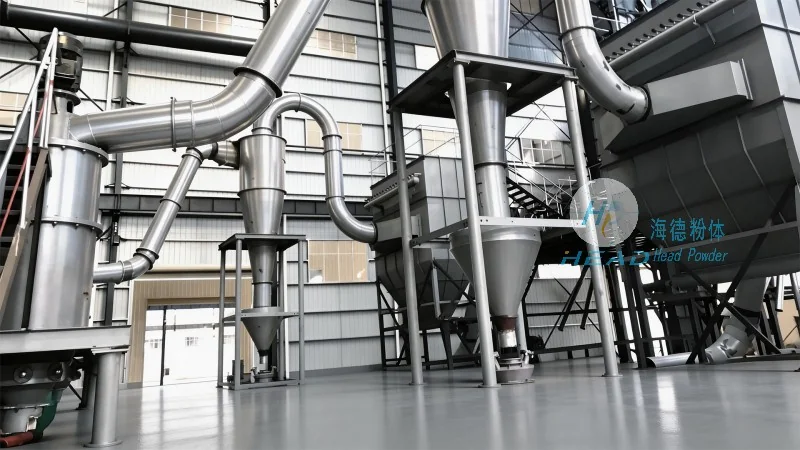
Key Components of a Fine Powder Pneumatic Conveying System
A typical fine powder pneumatic conveying system consists of several essential components that work in tandem to ensure reliable and efficient material transport. These components include a dust collector or air filter, a blower or compressor to generate the necessary air pressure, a hopper or feeder to store and meter the powder, a pipeline network to guide the material, and a discharge unit or receiver to collect the conveyed powder. Each component plays a critical role in maintaining the system's performance and preventing issues like blockages or contamination.
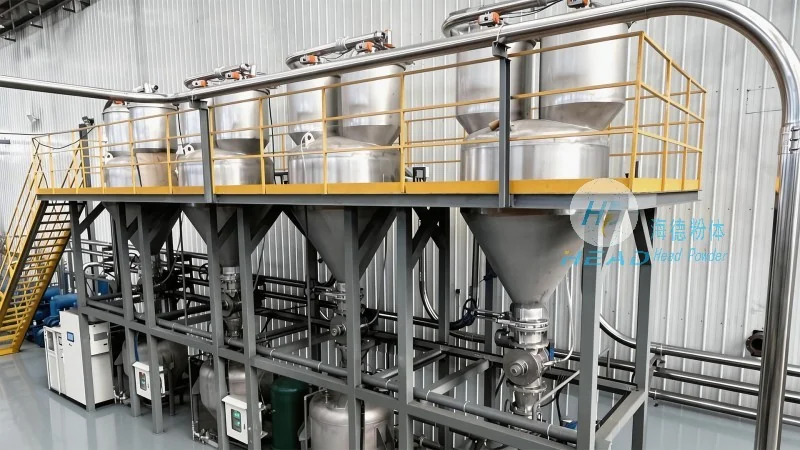
Operation Process of Fine Powder Pneumatic Conveying
The operation process of a fine powder pneumatic conveying system involves a series of sequential steps that ensure the smooth and continuous transport of powders. The process typically begins with the loading of the fine powder into the hopper or feeder. The feeder then meters the powder at a controlled rate, ensuring a consistent flow into the pipeline. Simultaneously, the blower or compressor generates a high-pressure air stream, which is introduced into the pipeline at the inlet of the hopper. As the air flows through the pipeline, it creates a low-pressure zone that draws the powder particles into the air stream, forming a dense mixture known as a "pneumatic slurry." The mixture then travels through the pipeline network, guided by the air pressure and the design of the pipeline (e.g., bends, elbows, and straight sections). The discharge unit at the end of the pipeline collects the powder, while the air is typically filtered and recycled back to the blower to maintain energy efficiency.
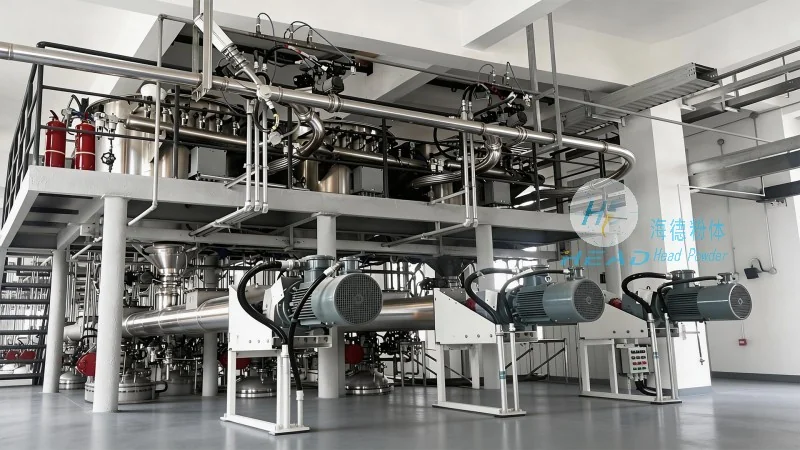
Working Principle of Fine Powder Pneumatic Conveying
The working principle of fine powder pneumatic conveying is based on the principles of fluid dynamics and particle mechanics. The system relies on the kinetic energy of the air to lift and transport the fine powder particles. When the air is introduced into the hopper, it creates a suction effect that pulls the powder particles into the air stream. The air velocity in the pipeline must be sufficient to overcome the gravitational force acting on the powder particles and to maintain the mixture in a suspended state. This is often referred to as the "air velocity threshold" or "minimum conveying velocity," which varies depending on the particle size, density, and flow rate of the powder. The design of the pipeline, including the diameter, length, and angle of bends, is critical to minimize pressure losses and prevent particle deposition or blockages. Additionally, the system may incorporate features such as pulse-jet or rotary valves to control the flow and prevent backflow, ensuring stable operation.
Advantages and Applications of Fine Powder Pneumatic Conveying
Fine powder pneumatic conveying systems offer several advantages over traditional mechanical conveying methods, making them ideal for handling fine and abrasive powders. These advantages include high transport efficiency, minimal product degradation, reduced contamination risk, and the ability to handle powders with high moisture content or sticky properties. The systems are widely used in industries such as pharmaceuticals, where product purity is paramount, and food processing, where hygiene and safety are critical. Additionally, the flexibility of pneumatic conveying allows for easy integration with existing production lines and the ability to transport powders over long distances or through complex layouts.
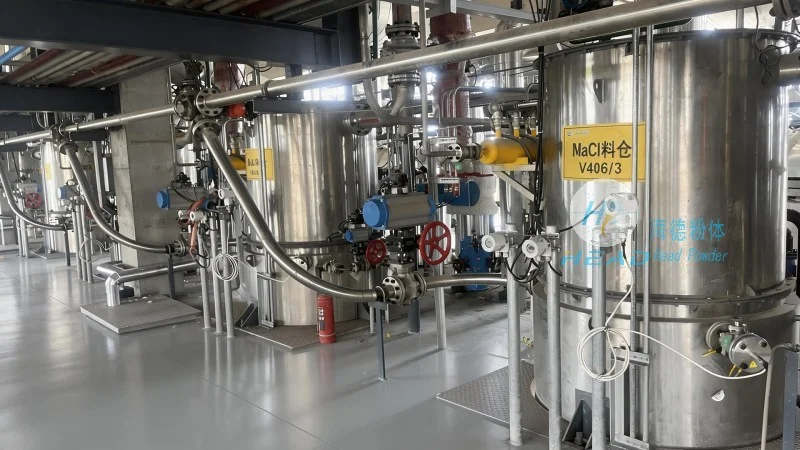
Maintenance and Best Practices for Fine Powder Pneumatic Conveying Systems
To ensure the long-term reliability and efficiency of fine powder pneumatic conveying systems, proper maintenance and operational best practices are essential. Regular maintenance tasks include cleaning the air filter and dust collector to prevent clogging, inspecting the pipeline for signs of wear or damage, and checking the blower or compressor for proper performance. It is also important to monitor the air pressure and flow rate during operation to detect any deviations that may indicate a problem with the system. Additionally, proper training of operators on the safe and efficient operation of the system is crucial to prevent accidents and ensure compliance with safety regulations. By following these best practices, users can maximize the lifespan of their equipment and maintain consistent performance in their industrial processes.




