

Operation Process and Working Principle of Wood Powder Pneumatic Conveying
Wood powder pneumatic conveying is a sophisticated method used in material handling, particularly for transporting wood powder efficiently and safely. This technology involves the use of air as the conveying medium to move wood powder from one location to another, eliminating the need for traditional mechanical conveyors that may cause contamination or material degradation. The process is integral to industries such as woodworking, paper manufacturing, and biomass energy production, where the consistent and clean transfer of wood powder is critical for operational efficiency.
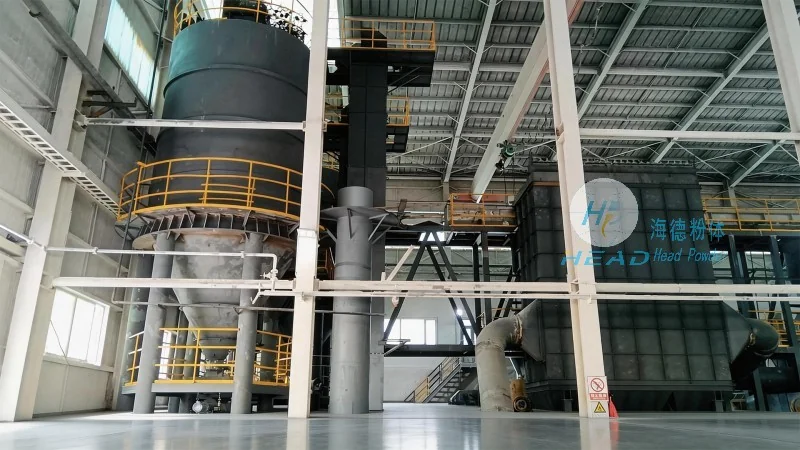
Understanding the Core Components of Pneumatic Conveying Systems
A pneumatic conveying system for wood powder typically consists of several key components that work in tandem to ensure smooth operation. These components include a hopper or feeder to store and feed the wood powder, a blower or air compressor to generate the necessary air pressure, a pipeline network to transport the material, and a receiver or discharge unit to collect the delivered wood powder. Each component plays a crucial role in maintaining the integrity of the wood powder and ensuring the system operates at optimal efficiency.
The Operation Process: Step-by-Step Breakdown
The operation of a wood powder pneumatic conveying system begins with the loading of wood powder into the hopper. The feeder then regulates the flow of powder into the pipeline, ensuring a consistent feed rate. Simultaneously, the blower generates high-pressure air that is introduced into the pipeline. As the air flows through the system, it creates a flow of the wood powder, carrying it along the pipeline to the receiver. The receiver is designed to separate the wood powder from the air, typically using a cyclone or filter system. The separated wood powder is then collected in a storage bin or directly to the next processing stage. The air, now free of powder, is either vented to the atmosphere or recirculated back into the system, depending on the design and environmental requirements.
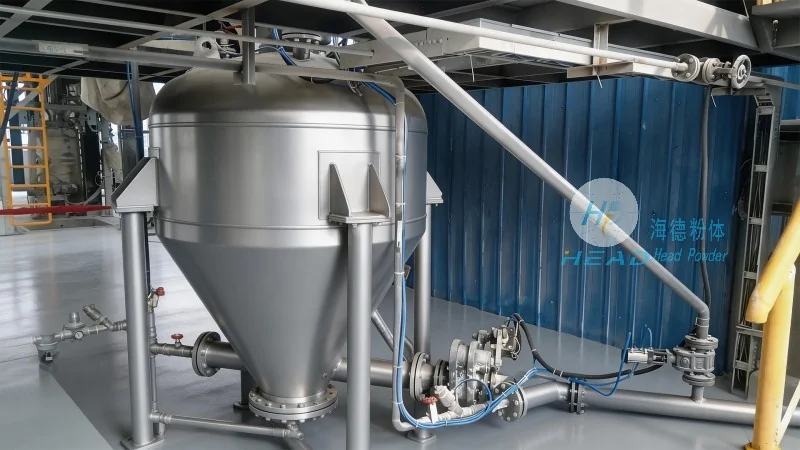
Working Principle: How Air and Powder Interact
The working principle of wood powder pneumatic conveying relies on the interaction between the air flow and the wood powder particles. When air is introduced into the pipeline at a sufficient velocity, it creates a fluidized state where the wood powder particles are suspended and transported along with the air. This phenomenon is known as pneumatic transport. The key to successful conveying is maintaining the correct air velocity and pressure within the system. If the air velocity is too low, the wood powder may settle and cause blockages; if it is too high, excessive energy consumption and potential wear on components may occur. The system must be designed to balance these factors to achieve efficient and reliable operation.
Advantages of Pneumatic Conveying for Wood Powder
Wood powder pneumatic conveying offers several advantages over traditional mechanical methods. Firstly, it provides a clean and hygienic transfer of material, as there is no direct contact between the wood powder and mechanical parts, reducing the risk of contamination. Secondly, it allows for the transportation of wood powder over long distances without the need for intermediate transfer points, which can improve overall system efficiency. Thirdly, the system can be easily integrated with other processing equipment, such as drying or mixing units, to form a complete production line. Additionally, pneumatic conveying systems are relatively compact and can be installed in various layouts, making them suitable for both new and existing facilities.
HeadPowder's Expertise in Wood Powder Pneumatic Conveying
Shandong HeadPowder Engineering Co., Ltd., a leading provider of material handling solutions, specializes in designing and manufacturing custom pneumatic conveying systems for wood powder applications. With years of experience in the industry, HeadPowder has developed a deep understanding of the unique challenges associated with wood powder, such as its tendency to clump or degrade under certain conditions. The company's engineers work closely with clients to assess their specific requirements, including the volume of wood powder to be conveyed, the distance of transport, and the desired level of automation. By leveraging advanced design software and rigorous testing protocols, HeadPowder ensures that each system is optimized for performance, reliability, and longevity.
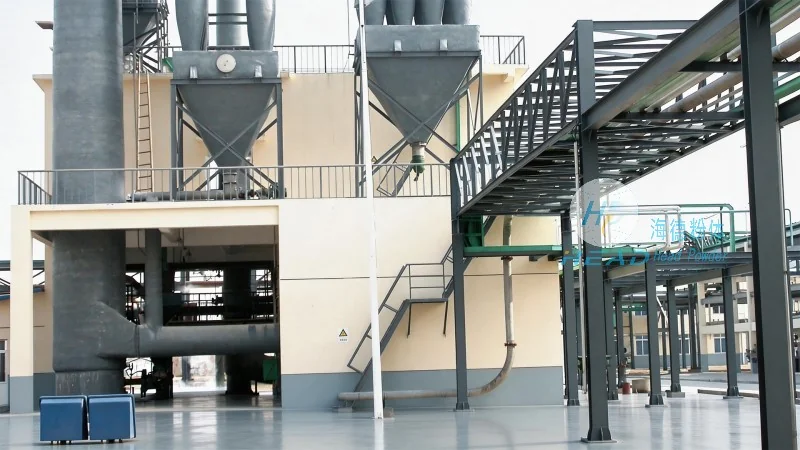
Custom Solutions for Diverse Wood Powder Handling Needs
HeadPowder recognizes that no two wood powder handling applications are identical. Therefore, the company offers tailored solutions that address the specific needs of each client. For example, for applications requiring high-volume conveying over long distances, HeadPowder may recommend a positive displacement blower system with a larger pipeline diameter. For applications where space is limited, a compact, vertical conveying system may be more suitable. The company also provides options for different types of wood powder, such as sawdust, wood chips, or wood flour, ensuring that the system is optimized for the specific characteristics of the material. Additionally, HeadPowder offers post-installation support, including maintenance services and technical assistance, to ensure that the system continues to operate at peak performance throughout its lifecycle.
Ensuring Efficiency and Reliability in Wood Powder Conveying
Efficiency and reliability are paramount in wood powder pneumatic conveying systems. HeadPowder's systems are designed with this in mind, incorporating features such as variable speed drives to adjust the air flow and feed rate as needed, and advanced monitoring systems to track system performance and detect potential issues before they become major problems. The company also uses high-quality components, such as corrosion-resistant materials for the pipeline and wear-resistant parts for the blower, to ensure that the system can withstand the abrasive nature of wood powder and operate for extended periods without maintenance. By focusing on these aspects, HeadPowder delivers systems that not only meet but exceed the expectations of its clients, providing a reliable and efficient solution for wood powder handling.