

Operation Process and Working Principle of Fine Sand Pneumatic Conveying
HeadPowder, a leading provider in the field, specializes in the design, manufacturing, and application of pneumatic conveying systems tailored for fine sand handling. This article delves into the operational process and underlying principles of such systems, offering a comprehensive overview for industry professionals and potential clients.
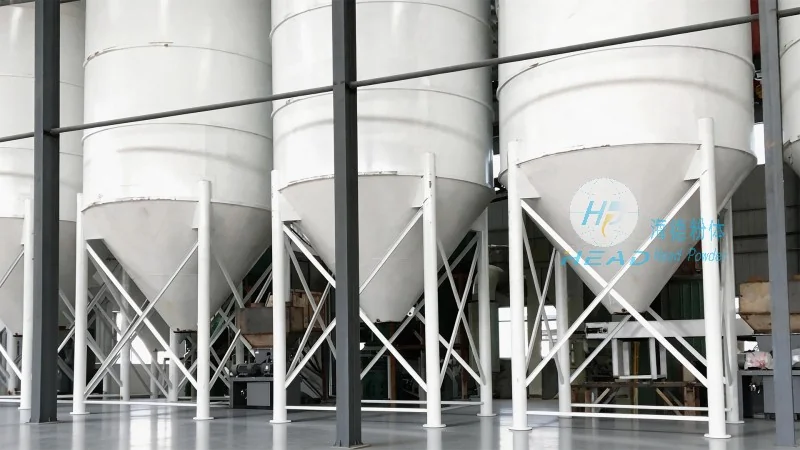
About HeadPowder Engineering Co., Ltd.
HeadPowder is a professional enterprise based in Shandong, China, dedicated to delivering high-quality pneumatic conveying solutions. With a focus on innovation and precision engineering, the company has established itself as a trusted partner for clients seeking efficient and reliable systems for fine sand transportation. The company’s headquarters is located in Shandong, China, where its team of experts develops and implements cutting-edge technologies in the field.
Operation Process of Fine Sand Pneumatic Conveying
The operation of a fine sand pneumatic conveying system involves several key steps, each designed to ensure efficient material transport while maintaining system integrity. The process typically begins with the loading of fine sand into the hopper or feeding device. From there, the material is drawn into the conveying line by a high-pressure air stream generated by a blower or compressor. As the air and sand mixture travels through the pipeline, the system maintains a consistent flow rate and pressure to prevent blockages and ensure smooth transport. The conveying line may include various components such as bends, filters, and control valves to manage the flow and maintain system efficiency. Upon reaching the discharge point, the sand is separated from the air through a cyclone or other separation device, allowing the air to be recirculated or vented, while the fine sand is collected for further use.
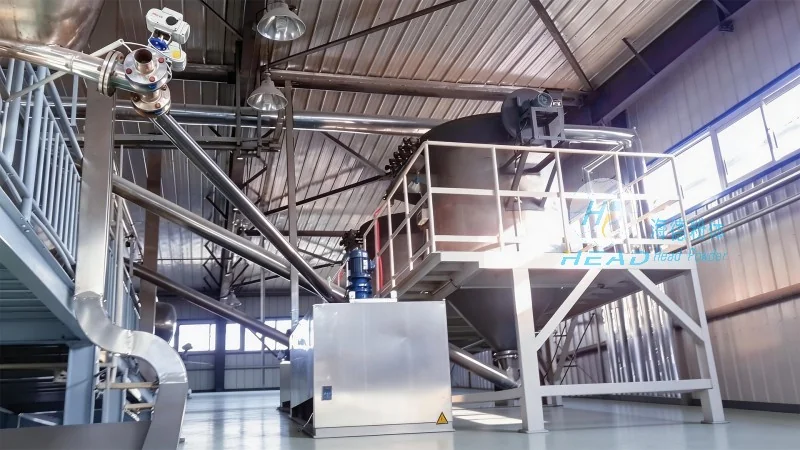
Working Principle of Pneumatic Conveying for Fine Sand
The core principle of pneumatic conveying for fine sand is the use of air as the conveying medium to transport solid particles. This method relies on the interaction between the air flow and the fine sand particles, creating a suspension that allows for efficient movement through the system. The system operates on the principle of pressure or vacuum, depending on the specific design. In pressure systems, a blower supplies compressed air to push the material through the pipeline, while in vacuum systems, a vacuum pump draws the material into the line. The design of the system, including the size of the pipeline, the type of air flow, and the feeding mechanism, is critical to achieving optimal performance and minimizing energy consumption. Advanced control systems are often integrated to monitor and adjust the conveying parameters in real-time, ensuring consistent operation and preventing issues such as clogging or material degradation.
Key Components and Their Roles
Several key components are integral to the effective operation of a fine sand pneumatic conveying system. The hopper or feeder is responsible for storing and feeding the fine sand into the system, ensuring a consistent supply of material. The blower or compressor generates the necessary air pressure to move the material through the pipeline. The conveying line, typically made of stainless steel or other corrosion-resistant materials, transports the air-sand mixture. Control valves and dampers regulate the flow and pressure within the system, preventing overpressure or underpressure conditions. Cyclones or filters are used to separate the fine sand from the air, allowing for the recovery of the material and the recycling of the air. Sensors and monitoring devices provide real-time data on system performance, enabling operators to make adjustments as needed.
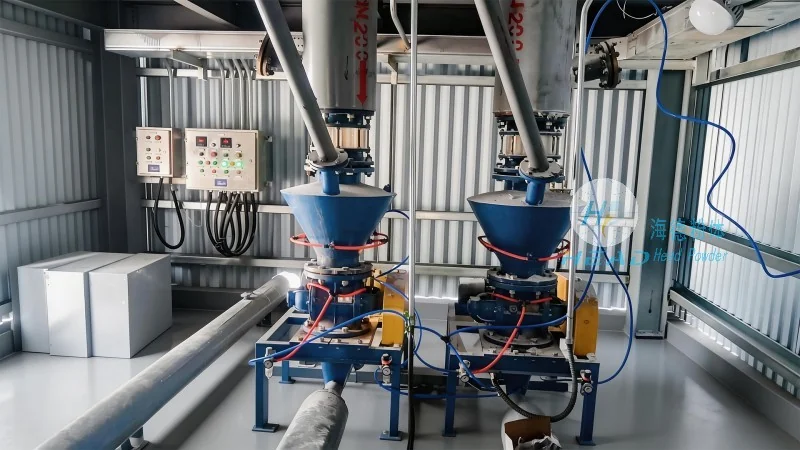
Advantages of Pneumatic Conveying for Fine Sand Handling
Pneumatic conveying systems offer several advantages when handling fine sand. These include the ability to transport materials over long distances without the need for multiple transfer points, reducing the risk of material contamination and loss. The system is also highly flexible, allowing for changes in the conveying route or capacity as needed. Additionally, pneumatic conveying can be integrated with other processing equipment, such as mixers or dryers, to create a fully automated production line. The system is also relatively low maintenance, with fewer moving parts compared to mechanical conveyors, leading to lower operational costs and increased reliability.
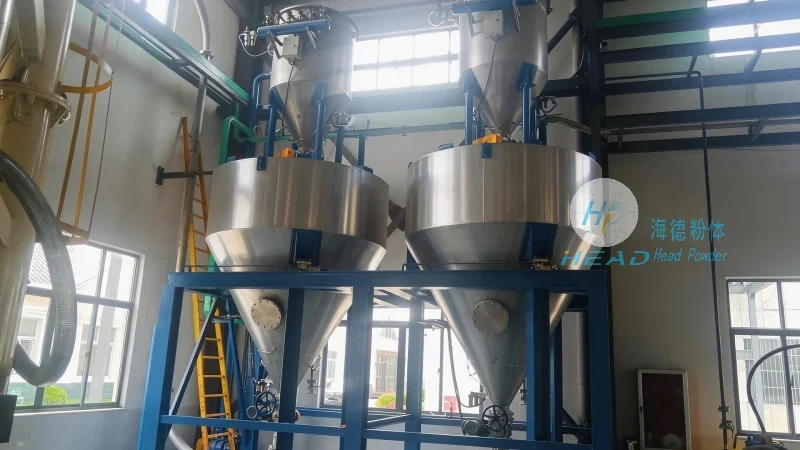
Applications in Various Industries
Fine sand pneumatic conveying systems are widely used in various industries, including construction, mining, and manufacturing. In the construction industry, these systems are used to transport sand for concrete production and other building materials. In the mining industry, they are used to transport sand from processing plants to storage facilities or for further processing. In manufacturing, they are used in the production of ceramics, glass, and other materials that require fine sand as a raw material. The versatility of these systems makes them suitable for a wide range of applications, from small-scale operations to large industrial facilities.
Conclusion
HeadPowder Engineering Co., Ltd. provides comprehensive solutions for fine sand pneumatic conveying, combining advanced technology with expert engineering to meet the diverse needs of clients. By understanding the operational process and working principles of these systems, users can optimize their material handling processes, improve efficiency, and reduce costs. The company’s commitment to quality and innovation ensures that clients receive reliable and effective systems that meet their specific requirements.