When it comes to transporting calcium oxide dry powder, selecting the right conveying method is crucial for ensuring efficiency, safety, and cost-effectiveness. Calcium oxide, also known as quicklime, is a widely used industrial material with diverse applications in construction, chemical manufacturing, and environmental remediation. The choice of conveying method depends on factors such as the material's properties, the distance to be covered, and the required throughput. This article outlines the common methods used for calcium oxide dry powder conveying, providing insights into their applications and advantages.
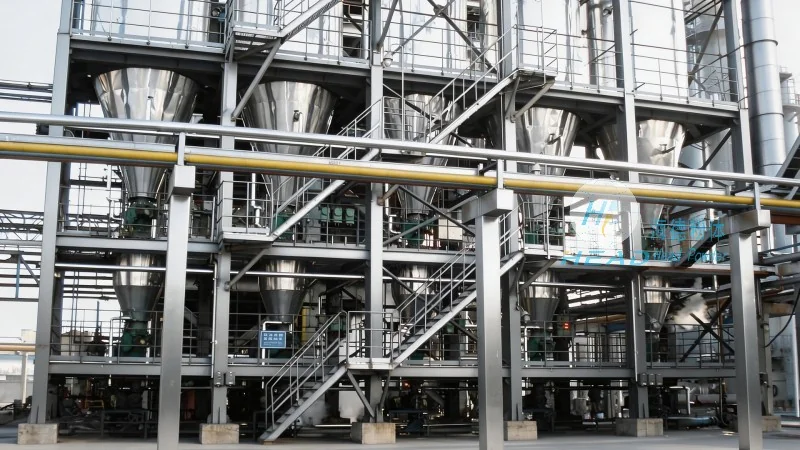
About Shandong HeadPowder Engineering Co., Ltd.
Shandong HeadPowder Engineering Co., Ltd., commonly referred to as HeadPowder, is a prominent enterprise specializing in the design, manufacturing, and supply of industrial conveying equipment and solutions. HeadPowder has established itself as a trusted partner in the material handling industry, with a strong focus on delivering high-quality products tailored to the needs of various sectors, including those that utilize calcium oxide and other dry powders. The company's headquarters is situated in Shandong, China, and it has built a solid reputation for its commitment to quality, innovation, and customer satisfaction. HeadPowder's team of experts leverages advanced technology and extensive industry experience to develop customized conveying systems that enhance operational efficiency and ensure safe handling of materials. The company provides comprehensive support, from initial consultation and system design to installation, maintenance, and after-sales service, ensuring that clients receive reliable and durable solutions that meet their specific requirements.
1. Pneumatic Conveying Systems
Pneumatic conveying is a widely adopted method for calcium oxide dry powder transport due to its effectiveness in handling fine powders and transporting them over moderate distances. This system operates by utilizing compressed air to move the powder through a pipeline. There are two primary types: pressure and vacuum systems. Pressure systems are suitable for short to medium-distance applications, where air is blown into the pipeline to push the powder forward. Vacuum systems, conversely, use a vacuum to draw the powder into the pipeline, making them ideal for longer distances or when the material needs to be collected from multiple points. Pneumatic conveying offers several advantages, including minimal dust generation as the powder is contained within the pipeline and the ability to integrate seamlessly with other processing equipment. However, it requires regular maintenance to prevent clogging and ensure consistent performance. Proper air filtration and pipeline design are essential to maintain the system's efficiency and longevity.
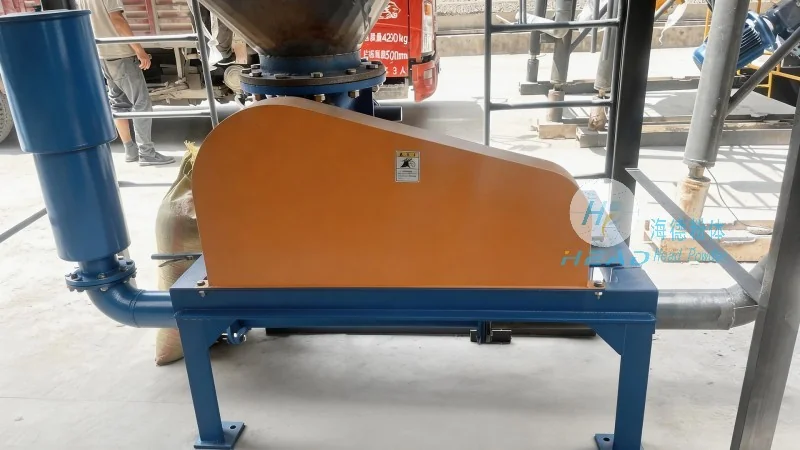
2. Screw Conveyors
Screw conveyors, also known as auger conveyors, are another common method for calcium oxide dry powder conveying. These systems consist of a rotating screw inside a tube or trough, which moves the powder along the length of the conveyor. Screw conveyors are particularly effective for horizontal or slightly inclined transport and can handle a wide range of powder types, including calcium oxide. They are relatively simple in design, making them easy to install and maintain. The main advantage of screw conveyors is their ability to handle abrasive materials without significant wear, as the screw and trough are typically made of durable materials like stainless steel or high-grade steel. However, they may not be suitable for very fine powders, as the screw can cause excessive friction and potentially lead to material degradation. Additionally, screw conveyors are limited in the distance they can transport the powder, typically up to several hundred meters, and may require additional support structures for longer runs.
3. Belt Conveyors
Belt conveyors are widely used in bulk material handling, including calcium oxide dry powder, due to their high capacity and reliability. These systems use a continuous belt that moves over rollers or pulleys to transport the powder. Belt conveyors are ideal for long-distance transport and high throughput applications, making them suitable for large-scale industrial operations. They can be configured in various orientations, such as horizontal, inclined, or even vertical, depending on the layout of the facility. The main advantage of belt conveyors is their ability to handle large volumes of material with minimal downtime, as they are designed for continuous operation. However, they require regular maintenance to ensure the belt remains in good condition and to prevent material buildup on the belt surface. Belt conveyors are also susceptible to dust generation, especially when the powder is fine, which may necessitate additional dust control measures like enclosures or air filtration systems to maintain a safe working environment.
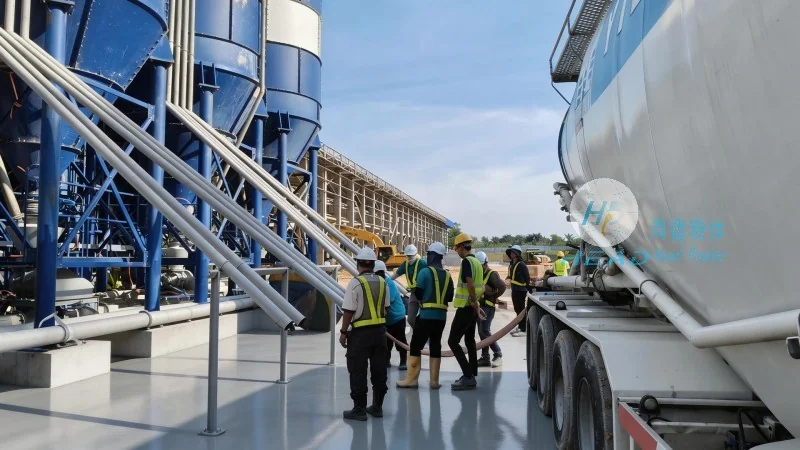
4. Hydraulic Conveying
Hydraulic conveying is a less common but effective method for calcium oxide dry powder transport, particularly in applications where other systems are not feasible. This method uses a liquid medium, such as water or a specialized slurry, to transport the powder. The powder is mixed with the liquid to form a slurry, which is then pumped through a pipeline. Hydraulic conveying is suitable for long-distance transport and can handle very fine powders, as the liquid helps to prevent clogging. However, it has several drawbacks, including the need for additional equipment to separate the liquid from the powder at the destination, which can increase operational costs. Additionally, hydraulic systems require careful management to prevent corrosion and maintain the quality of the liquid medium. Despite these challenges, hydraulic conveying can be a viable option in specific industrial settings where other methods are not appropriate.
Conclusion
Selecting the appropriate calcium oxide dry powder conveying method is a critical decision that impacts operational efficiency, safety, and overall cost. Each method has its own advantages and limitations, and the choice should be based on a thorough evaluation of the specific requirements of the application. Pneumatic conveying offers flexibility and minimal dust, screw conveyors provide durability for abrasive materials, belt conveyors ensure high capacity for long distances, and hydraulic conveying is suitable for specific long-distance or fine powder applications. By understanding the characteristics of each method and the needs of the operation, industrial facilities can choose the most effective conveying solution. Shandong HeadPowder Engineering Co., Ltd. provides comprehensive solutions and expertise to help clients select and implement the right conveying system for their calcium oxide handling needs, ensuring optimal performance and reliability.




