

Operation Process and Working Principle of Powder Bin Pneumatic Conveying Equipment
Powder bin pneumatic conveying equipment is a critical component in modern industrial processes, designed to efficiently transport bulk powders and granular materials from storage bins to processing units. This equipment plays a vital role in various industries, including pharmaceuticals, food processing, chemical manufacturing, and mining, where reliable and dust-free material handling is essential. The system combines advanced engineering with robust construction to ensure consistent performance and minimal maintenance requirements.
Key Components and Their Functions
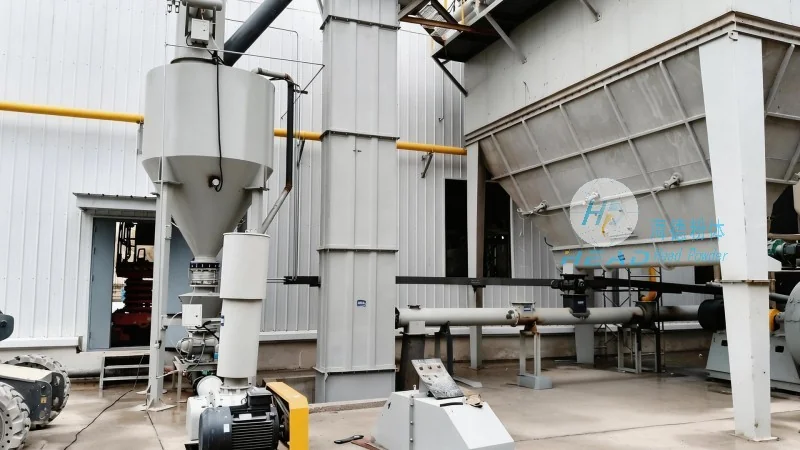
The operation of a powder bin pneumatic conveying system involves several key components, each playing a specific role in the overall process. The primary components include the powder bin (or hopper), the air compressor or blower, the conveying line (usually a flexible or rigid pipe), the control system, and the discharge unit. The powder bin serves as the storage vessel, holding the bulk material until it is needed for processing. The air compressor generates the necessary air pressure to create a flow of air through the conveying line, which then pulls the powder particles along with it. The control system monitors and regulates the air pressure and flow rate to maintain optimal conveying conditions. The discharge unit, often located at the end of the conveying line, ensures the material is delivered to the target location, such as a mixer, dryer, or packaging machine.
Operation Process: Step-by-Step Explanation
The operation of the powder bin pneumatic conveying equipment follows a systematic process, ensuring smooth and continuous material transfer. The process begins with the material being loaded into the powder bin. Once the bin is filled, the control system activates the air compressor, which starts to generate compressed air. The compressed air is then introduced into the conveying line, creating a low-pressure zone that draws the powder particles from the bin. As the air flows through the line, it carries the powder particles along, forming a dense phase or dilute phase flow depending on the system design. The conveying line may include bends, valves, or filters to direct the flow and prevent blockages. At the discharge end, the material is released into the receiving equipment, completing the cycle. The system can operate continuously, with the control system adjusting the air flow rate based on the material demand to maintain a steady flow.
Working Principle: How Pneumatic Conveying Works
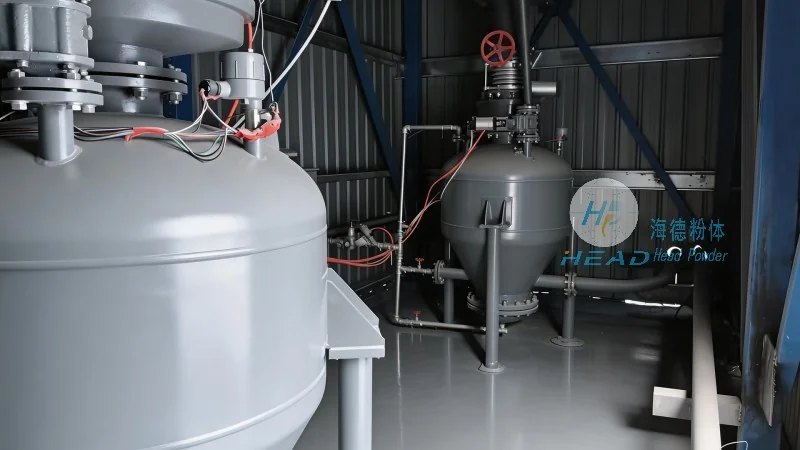
The working principle of pneumatic conveying relies on the interaction between air and solid particles. There are two main types of pneumatic conveying systems: dense phase and dilute phase. In a dense phase system, the air velocity is relatively low, and the powder particles are carried in a slurry-like mixture, resulting in a higher material concentration in the conveying line. This method is suitable for transporting sensitive materials or materials that are prone to degradation. In a dilute phase system, the air velocity is higher, and the powder particles are dispersed individually, leading to a lower material concentration. This type of system is more efficient for long-distance conveying but may require more energy. The core principle involves creating a pressure differential between the inlet and outlet of the conveying line. The air compressor maintains a higher pressure at the inlet, while the outlet is at a lower pressure (often atmospheric), creating a suction effect that pulls the powder particles along. The control system ensures that the pressure differential is maintained at an optimal level to prevent material degradation or blockages.
Benefits and Applications of Powder Bin Pneumatic Conveying
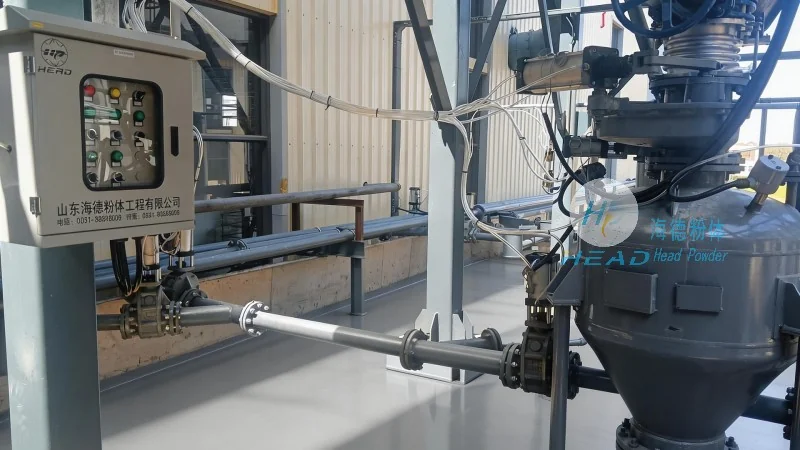
Powder bin pneumatic conveying equipment offers numerous benefits that make it a preferred choice for industrial applications. One of the key advantages is the ability to transport materials in a dust-free environment, which is crucial for industries where contamination control is essential, such as pharmaceuticals and food processing. The system also provides flexibility in material handling, allowing for vertical, horizontal, or mixed-direction conveying. Additionally, it can handle a wide range of materials, from fine powders to coarse granules, with minimal wear and tear on the equipment. The equipment is also relatively compact and can be integrated into existing production lines, reducing the need for additional space. In the pharmaceutical industry, this equipment is used to transport active pharmaceutical ingredients (APIs) and excipients, ensuring that the materials are handled hygienically and without contamination. In the food industry, it is used to convey ingredients like flour, sugar, and spices, maintaining the quality and safety of the products. In chemical manufacturing, it is used to transport raw materials and intermediates, improving the efficiency of the production process.
About Shandong HeadPowder Engineering Co., Ltd.
Shandong HeadPowder Engineering Co., Ltd., commonly known as headpowder, is a leading manufacturer of powder handling equipment, including pneumatic conveying systems. The company is headquartered in Shandong, China, and has a strong reputation for providing high-quality, reliable equipment tailored to the specific needs of its clients. With years of experience in the industry, headpowder has developed a range of products that meet international standards and are designed to operate efficiently in various industrial environments. The company's commitment to innovation and customer satisfaction has made it a trusted partner for businesses seeking to improve their material handling processes. Whether it's a new installation or an upgrade to an existing system, headpowder offers comprehensive solutions that enhance productivity and reduce operational costs. The company's team of experts provides technical support and consultation to help clients select the most suitable equipment for their applications, ensuring optimal performance and longevity.