Seaweed powder, a valuable resource in the field of biofuels and organic fertilizers, often requires efficient and reliable transportation methods to move it from production sites to processing facilities or storage areas. The pneumatic conveying line, a technology that uses air pressure to transport bulk materials, offers a solution tailored to the unique properties of seaweed powder. This article explores the fundamental principles behind such systems and highlights the key characteristics of their operational environments.
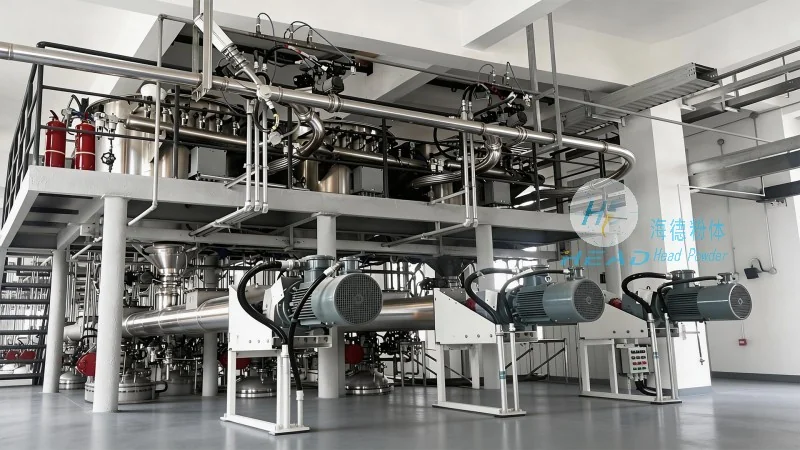
Company Overview: Shandong HeadPowder Engineering Co., Ltd.
As a leading manufacturer in the field of material handling equipment, Shandong HeadPowder Engineering Co., Ltd. specializes in designing and supplying customized pneumatic conveying solutions. With a strong focus on innovation and customer satisfaction, the company has established itself as a trusted partner for industries dealing with fine powders like seaweed. HeadPowder's expertise lies in understanding the specific challenges of handling delicate and potentially hygroscopic materials, ensuring that their conveying systems are both efficient and gentle on the product.
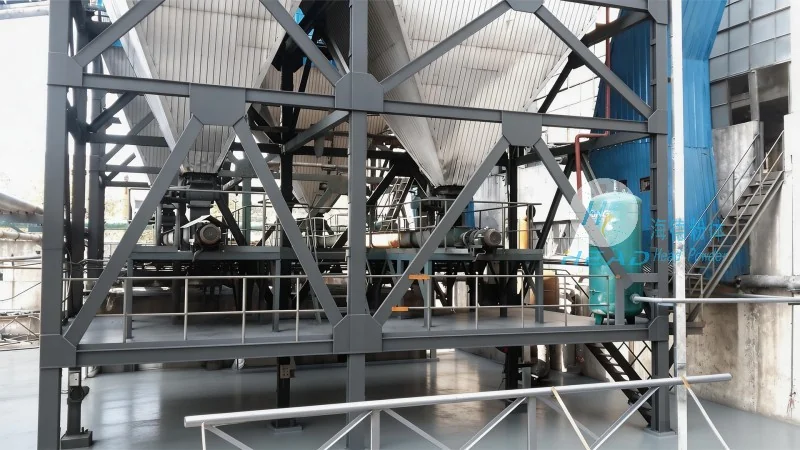
The Principle of Pneumatic Conveying for Seaweed Powder
Pneumatic conveying operates on the principle of using compressed air to create a flow that transports the powder through a pipeline. In the case of seaweed powder, which is typically fine and lightweight, a positive pressure system is commonly employed. This system involves blowing air into the pipeline, creating a pressure differential that propels the powder particles forward. The design of the conveying line, including the type of air nozzle, pipeline diameter, and the arrangement of bends and valves, is critical to maintaining a consistent flow rate and preventing material degradation or blockages. The system may also incorporate features such as cyclone separators or filters to separate the powder from the air at the end of the line, ensuring that the product remains clean and free from contamination.
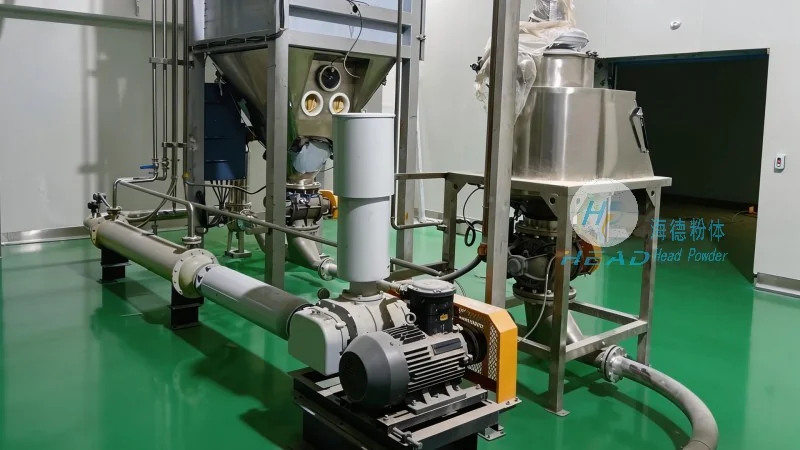
Key Working Scene Characteristics
The operational environment of a seaweed powder pneumatic conveying line is characterized by several factors that influence its performance and efficiency. First, the material's hygroscopic nature means that moisture content can affect its flowability and potential for caking. Therefore, the conveying system must be designed to minimize exposure to ambient moisture and maintain a dry environment throughout the process. Second, the fine particle size of seaweed powder requires careful consideration of air velocity and pipeline design to prevent dust accumulation and ensure smooth transport. Third, the system's integration with other processing equipment, such as grinding or drying units, necessitates a flexible and adaptable design that can handle varying material flow rates and compositions. Additionally, the need for hygiene and food-grade compliance in some applications may require special materials for the pipeline and components, ensuring that the conveying line meets stringent quality standards.
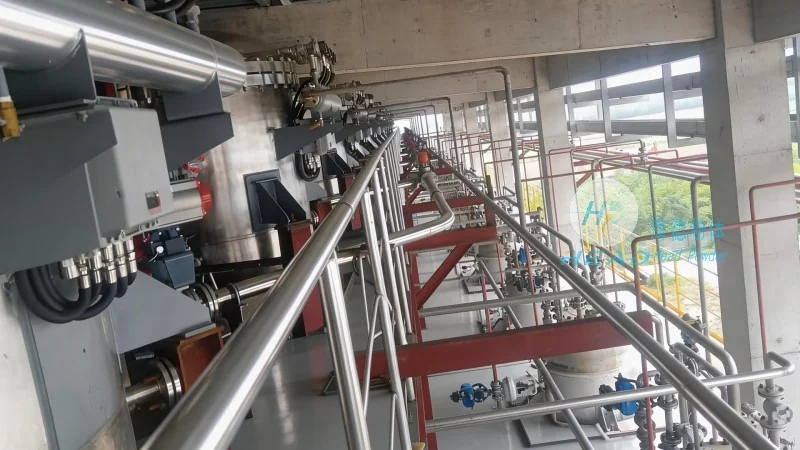
Application Scenarios and Benefits
The seaweed powder pneumatic conveying line is widely used in various industrial settings, including seaweed processing plants, biofuel production facilities, and organic fertilizer manufacturing sites. The primary benefits of this technology include improved safety, as it eliminates the need for manual handling of powders, which can pose respiratory and inhalation risks. Additionally, the system offers higher efficiency compared to traditional methods like bucket elevators or belt conveyors, as it can transport materials over longer distances with minimal energy consumption. The flexibility of the system also allows for easy integration with existing production lines, reducing downtime and increasing overall productivity. Furthermore, the ability to handle large volumes of material in a continuous manner ensures a steady supply of seaweed powder to downstream processes, enhancing operational reliability.




