

Principle and Working Scene Characteristics of Sand and Gravel Pneumatic Conveying Lines
Sand and gravel pneumatic conveying lines are advanced systems designed to transport bulk materials like sand, gravel, and other granular substances through an enclosed pipeline using air pressure. This technology offers a highly efficient and flexible method for material handling, particularly in construction, mining, and industrial applications. The core principle involves creating a pressure differential that propels the material through the pipeline, eliminating the need for traditional mechanical conveyors such as belts or buckets. By leveraging compressed air or vacuum, these systems can transport materials over long distances with minimal maintenance and reduced environmental impact.
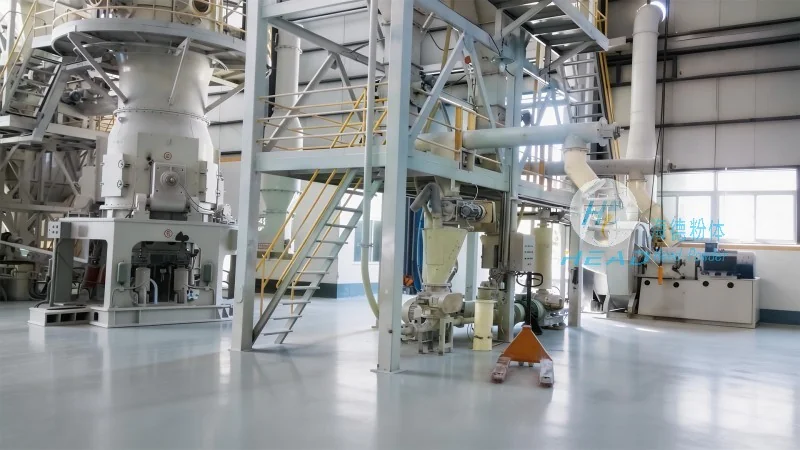
Working Principle of Pneumatic Conveying Systems
The fundamental operation of a sand and gravel pneumatic conveying line is based on the movement of air and material within a closed pipeline. The system typically consists of a material hopper, an air compressor or vacuum pump, a conveying line, and a discharge outlet. When the material is introduced into the hopper, it is mixed with the air stream. The air, under pressure, forces the material particles to move along the pipeline. The velocity and pressure of the air determine the conveying capacity and distance. In positive pressure systems, compressed air pushes the material forward, while in negative pressure systems, a vacuum pulls the material. The design of the pipeline, including bends and fittings, is critical to ensure smooth material flow and prevent blockages. The system also includes control valves and filters to regulate air flow and maintain material quality.
Key Components and Their Functions
Several key components work together to ensure the efficient operation of a sand and gravel pneumatic conveying line. The material hopper serves as the storage and feeding unit, where the bulk material is loaded and prepared for transport. The air compressor or vacuum pump provides the necessary pressure or suction to move the material. The conveying line, usually made of stainless steel or other corrosion-resistant materials, is designed to withstand the pressure and material abrasion. The discharge outlet allows the material to be released at the destination. Additionally, control valves are used to regulate the flow rate and direction of the material. Filters are essential to remove dust and debris from the air stream, protecting the system and maintaining air quality. The system may also include sensors and monitoring equipment to track material levels and air pressure, ensuring optimal performance.
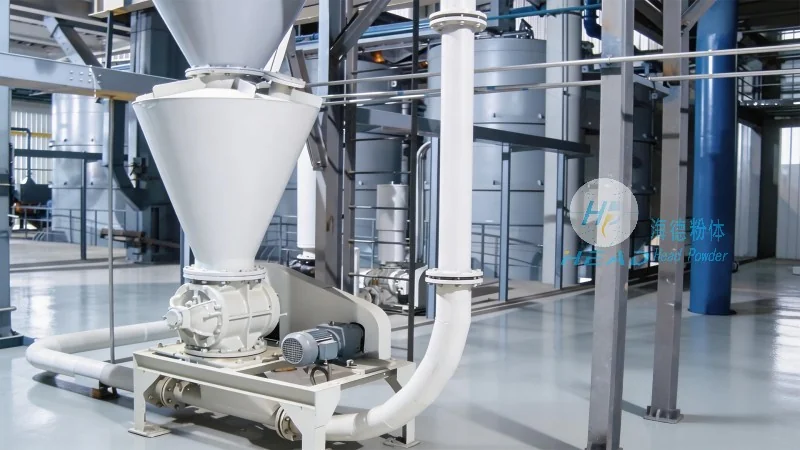
Working Scene Characteristics and Applications
Sand and gravel pneumatic conveying lines are widely used in various industrial and construction scenarios due to their adaptability and efficiency. In construction sites, these systems are ideal for transporting sand and gravel from storage areas to mixing plants or job sites, reducing labor costs and improving workflow. In mining operations, they can handle bulk materials from ore processing plants to storage facilities, enabling faster material movement and increased productivity. The systems are also used in aggregate production facilities, where they transport raw materials to processing equipment. The working scene characteristics include the ability to handle different material sizes and densities, operate in both indoor and outdoor environments, and adapt to varying conveying distances. The flexibility of pneumatic conveying allows for easy integration into existing production lines, making it a preferred choice for many industries.
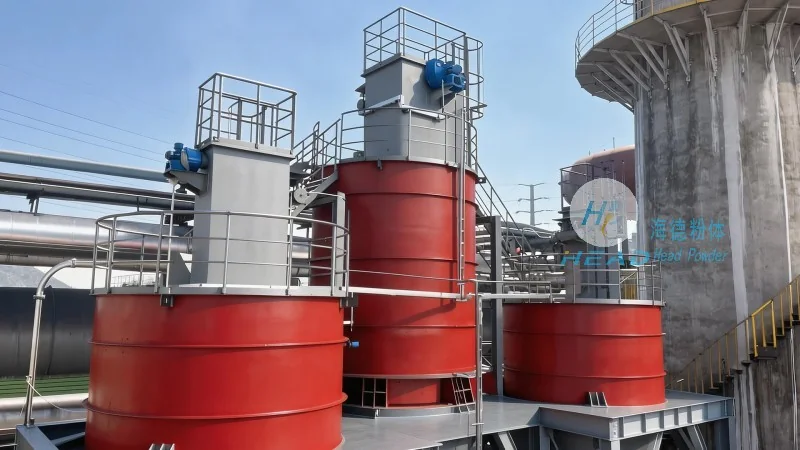
Advantages of Pneumatic Conveying Over Traditional Methods
Compared to traditional mechanical conveyors like belt conveyors or bucket elevators, sand and gravel pneumatic conveying lines offer several advantages. One of the most significant benefits is the reduction in material handling time and labor costs. Since the material is transported through a pipeline, there is no need for manual loading or unloading, which streamlines the process. The system also minimizes material degradation, as the enclosed pipeline prevents exposure to the elements and reduces friction. Additionally, pneumatic conveying systems are more compact and can be installed in tight spaces, making them suitable for urban or constrained environments. The ability to transport materials over long distances without the need for multiple transfer points also enhances efficiency. Furthermore, the system is less prone to blockages and can handle a wide range of material types, including dusty or abrasive materials that would be difficult to handle with other methods.
Company Profile: Shandong HeadPowder Engineering Co., Ltd.
Shandong HeadPowder Engineering Co., Ltd., commonly known as HeadPowder, is a leading manufacturer and supplier of pneumatic conveying systems, including sand and gravel pneumatic conveying lines. With a strong focus on innovation and quality, HeadPowder has established itself as a trusted partner in the material handling industry. The company specializes in designing and manufacturing customized solutions tailored to the specific needs of its clients. HeadPowder's products are known for their durability, efficiency, and reliability, meeting the highest industry standards. The company's team of experts provides comprehensive support, from initial consultation and system design to installation and after-sales service. HeadPowder is committed to providing sustainable and efficient material handling solutions that enhance productivity and reduce operational costs for its customers.