

Principle and Working Scene Characteristics of Polypropylene Pneumatic Conveying Lines
For industries dealing with polypropylene materials, the selection of an efficient and reliable material handling system is crucial. The polypropylene pneumatic conveying line, a technology developed by Shandong HeadPowder Engineering Co., Ltd., represents a sophisticated solution for transporting polypropylene in various industrial applications. This article explores the fundamental principles behind this system and highlights its key working scene characteristics, providing insights into how it enhances operational efficiency and material handling capabilities.
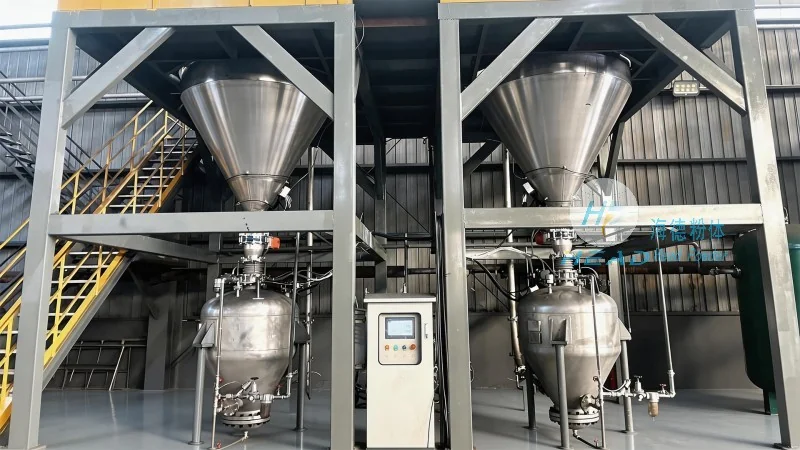
Understanding the Core Principle of Polypropylene Pneumatic Conveying
The polypropylene pneumatic conveying line operates on the principle of using compressed air to transport polypropylene particles through a pipeline system. Unlike traditional mechanical conveyors, this system relies on air pressure to move material, which can be particularly advantageous for handling lightweight or dusty polypropylene powders. The process typically involves a hopper where polypropylene is stored, a blower or air compressor that generates the necessary air pressure, and a pipeline network that directs the material to its destination. The air flow creates a vacuum or pressure differential that propels the polypropylene particles forward, ensuring consistent and controlled movement. This method not only reduces the risk of material contamination but also minimizes the need for physical contact, which is critical for maintaining the purity of polypropylene, especially in applications where quality control is paramount.
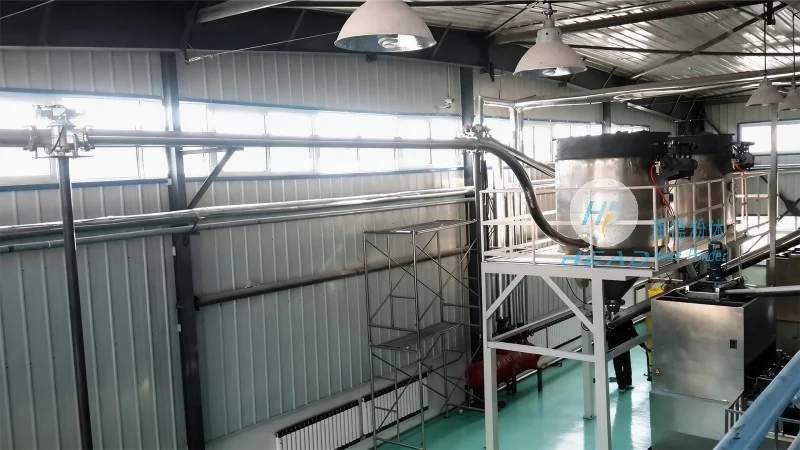
Key Working Scene Characteristics of Polypropylene Pneumatic Conveying Lines
Shandong HeadPowder Engineering Co., Ltd. has designed polypropylene pneumatic conveying lines tailored to diverse working environments, each with unique characteristics that influence their performance and suitability. These characteristics include:
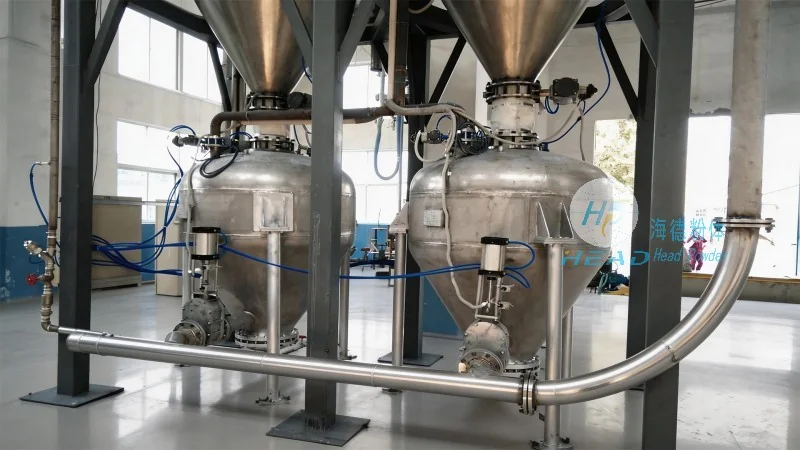
- High Efficiency in Material Transport: The system is capable of transporting polypropylene over significant distances with minimal energy consumption. The air pressure can be adjusted to optimize the flow rate, ensuring that the conveying speed matches production requirements without excessive energy use. This efficiency is particularly beneficial in large-scale manufacturing facilities where continuous material movement is essential.
- Low Maintenance and Durability: The design of the pneumatic conveying line, as implemented by HeadPowder, emphasizes durability and ease of maintenance. The components, such as the hopper, blower, and pipeline, are constructed from materials resistant to polypropylene's chemical properties, reducing the risk of corrosion or degradation over time. Regular maintenance is straightforward, as most parts are easily accessible, and the system can be quickly serviced without extensive downtime. This reliability is crucial for maintaining consistent production schedules in industrial settings.
- Flexibility in Application: The polypropylene pneumatic conveying line can be adapted to various working scenarios, from small-scale laboratory operations to large industrial production lines. Its modular design allows for customization based on the specific needs of the application, such as varying the pipeline length, adjusting the air pressure, or integrating additional components like filters or cyclones for material separation. This flexibility makes it suitable for a wide range of industries, including plastics manufacturing, chemical processing, and food processing, where polypropylene is commonly used.
- Environmental and Safety Advantages: By eliminating the need for mechanical parts that generate friction or produce dust, the pneumatic conveying system offers significant environmental benefits. It reduces the risk of dust explosions, a common concern in polypropylene handling, by maintaining a controlled air environment. Additionally, the system minimizes material spillage and contamination, which is vital for maintaining product quality and adhering to regulatory standards. The enclosed pipeline design also helps in controlling dust emissions, contributing to a safer working environment for personnel.
Conclusion: Enhancing Industrial Operations with Polypropylene Pneumatic Conveying
Shandong HeadPowder Engineering Co., Ltd. has demonstrated through its polypropylene pneumatic conveying lines that advanced material handling technology can significantly improve operational efficiency and safety in industrial settings. By leveraging the principles of pneumatic transport, these systems provide a reliable, efficient, and flexible solution for moving polypropylene materials. The working scene characteristics, including high efficiency, low maintenance, and adaptability, make them an ideal choice for businesses seeking to optimize their material handling processes. As industries continue to demand higher standards of productivity and safety, the polypropylene pneumatic conveying line remains a valuable asset, supporting the smooth operation of polypropylene-based manufacturing and processing activities.