

Design Considerations for Heavy Calcium Powder Pneumatic Conveying Systems
When designing a heavy calcium powder pneumatic conveying system, several critical factors must be considered to ensure efficient operation, reliability, and long-term performance. This article outlines key design considerations tailored for systems handling heavy calcium powder, a common industrial material used in various applications such as coatings, plastics, and construction materials. The proper design of these systems is essential for optimizing material transport, minimizing energy consumption, and ensuring the safety of the operation.
System Sizing and Flow Rate Calculations
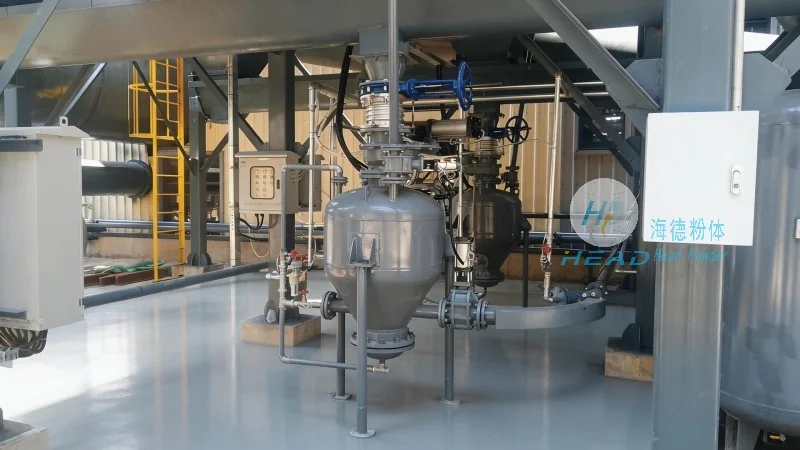
Proper system sizing is fundamental to the success of any pneumatic conveying system. The first step in the design process involves accurately calculating the required flow rate based on the material's bulk density, particle size distribution, and the desired conveying distance. For heavy calcium powder, which typically has a bulk density ranging from 500 to 800 kg/m³, engineers must account for variations in moisture content and particle agglomeration, as these factors can significantly impact the material's flow characteristics. The flow rate calculation must also consider the system's operating pressure and the type of conveying method—whether it's a dilute phase or dense phase system. A dilute phase system, which uses low air velocity to transport material, is often preferred for heavy calcium powder due to its lower energy consumption and ability to handle larger particle sizes. However, the choice between dilute and dense phase depends on the specific application requirements and the material's properties. Engineers at Shandong HeadPowder Engineering Co., Ltd. employ advanced computational fluid dynamics (CFD) models to simulate the flow behavior of heavy calcium powder in the system, ensuring that the design meets the client's operational needs while optimizing energy efficiency. These models help predict potential issues such as material settling or blockages, allowing engineers to adjust the system design before construction begins.
Material Handling and Equipment Selection
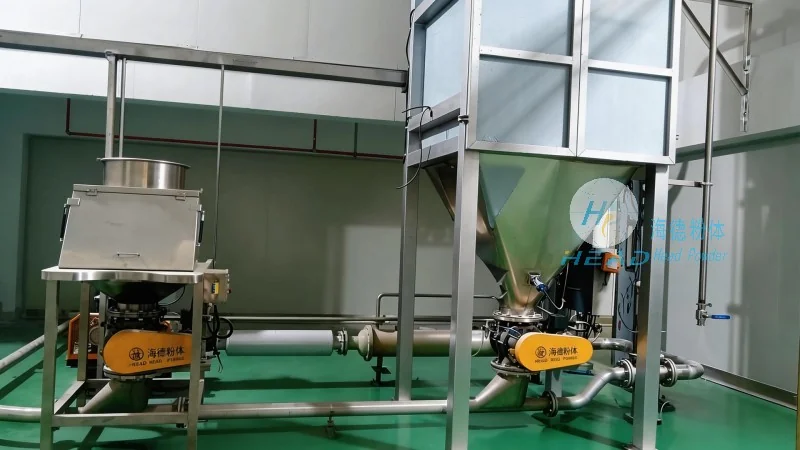
Choosing the right equipment for handling heavy calcium powder is crucial to prevent system blockages and ensure smooth material flow. The system components, including the hopper, feeder, and conveying line, must be designed to accommodate the material's characteristics. For example, the hopper should be equipped with a suitable discharge mechanism, such as a rotary valve or a star feeder, to prevent material bridging and ensure consistent feeding. The feeder's design must consider the material's flowability; if the powder is cohesive or prone to agglomeration, a high-capacity feeder with vibration or air-assisted feeding capabilities may be required. The conveying line itself should be made of materials resistant to corrosion and abrasion, as heavy calcium powder can be abrasive over time. Stainless steel or high-grade plastic pipes are commonly used in such systems. Additionally, the system should include a filter and cyclone separator to capture fine particles and prevent them from entering the air compressor or other equipment, which could lead to maintenance issues. Shandong HeadPowder Engineering Co., Ltd. recommends regular maintenance of these components to ensure the system operates at peak efficiency and to extend the equipment's lifespan. The company also provides custom equipment solutions tailored to the specific needs of each client, ensuring that the system is optimized for their material and operational requirements.
Pressure and Airflow Management
Effective pressure and airflow management is essential for maintaining the stability and efficiency of the pneumatic conveying system. The system's pressure must be carefully controlled to avoid excessive energy consumption or material degradation. For heavy calcium powder, the optimal operating pressure typically ranges from 0.5 to 1.5 bar, depending on the conveying distance and the system's design. The airflow rate must be sufficient to keep the material suspended in the air stream but not so high that it causes excessive wear on the equipment or increases energy costs. Engineers at Shandong HeadPowder Engineering Co., Ltd. use pressure sensors and flow meters to monitor the system's performance in real-time, allowing for adjustments to be made as needed. This proactive approach helps prevent system failures and ensures consistent material delivery to the destination. Furthermore, the system should include pressure relief valves to protect against overpressure situations, which could damage the equipment or cause safety hazards. Proper airflow management also involves ensuring that the air compressor is sized appropriately for the system's requirements, as an undersized compressor can lead to insufficient airflow and system inefficiencies. The company's expertise in air compressor selection ensures that the system operates at the most efficient pressure and airflow levels, reducing operational costs and improving overall performance.
System Integration and Control
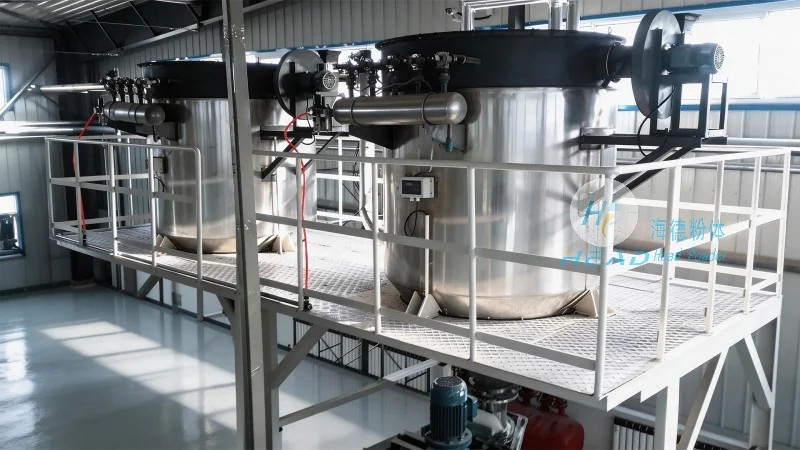
Integrating the pneumatic conveying system with other industrial processes is a critical aspect of its design. The system must be compatible with existing equipment, such as storage silos, processing units, and packaging machinery. This integration requires careful coordination of the system's control logic with the other processes to ensure smooth operation. For example, the system should be able to start and stop in sync with the feeder or the processing line to avoid material buildup or overfilling. The control system should include features such as automatic start-up, emergency stop, and alarm functions to enhance safety and operational reliability. Shandong HeadPowder Engineering Co., Ltd. specializes in designing custom control systems tailored to the specific needs of each client, ensuring that the system integrates seamlessly with their existing infrastructure. The control system also allows for remote monitoring and diagnostics, enabling technicians to identify and resolve issues quickly without disrupting production. This integration capability is particularly important for heavy calcium powder systems, as they are often part of larger production lines where downtime can have significant financial implications.
Maintenance and Long-Term Performance
Regular maintenance is essential to ensure the long-term performance and reliability of the heavy calcium powder pneumatic conveying system. The system should be designed with easy access to components for maintenance, such as the hopper, feeder, and filter. This allows for routine cleaning and inspection to prevent material buildup and equipment wear. The filter and cyclone separator must be cleaned regularly to maintain their efficiency in capturing fine particles. Additionally, the air compressor and other moving parts should be lubricated and checked for wear regularly. Shandong HeadPowder Engineering Co., Ltd. provides comprehensive maintenance services to its clients, including scheduled inspections, component replacement, and troubleshooting. By adhering to a regular maintenance schedule, the system's lifespan can be extended, and operational costs can be reduced over time. The company also offers training to clients on how to perform basic maintenance tasks, empowering them to take an active role in system upkeep. This approach not only improves the system's reliability but also helps clients save on maintenance costs and minimize downtime.