

Working Principle and Features of Pneumatic Conveying Systems for Lithium-Ion Battery Positive Elect
HeadPowder, a leading engineering company based in Shandong, China, specializes in the design and implementation of advanced pneumatic conveying systems tailored for the handling of lithium-ion battery positive electrode powder materials. These systems are crucial in the battery manufacturing process, ensuring efficient, safe, and reliable material transport from storage to processing units. This article explores the fundamental working principles and key features of such systems, providing a comprehensive overview for industry professionals.
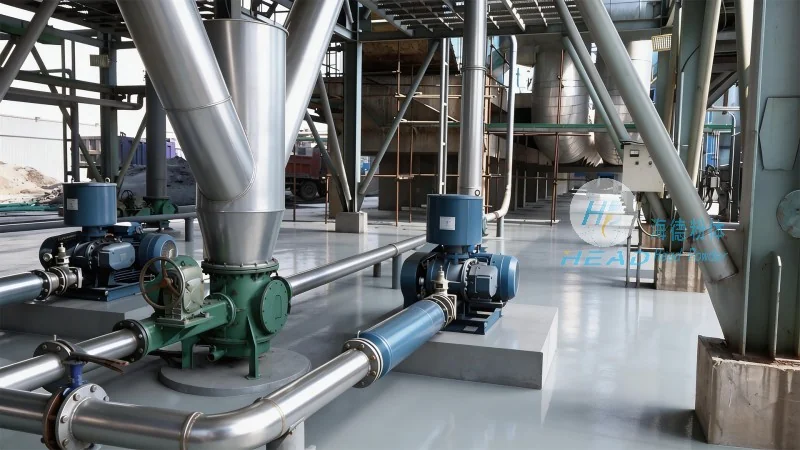
The Working Principle of Pneumatic Conveying Systems
The core of a pneumatic conveying system is the method of transporting bulk materials using a gas stream, typically air or other gases. In the context of lithium-ion battery positive electrode powders, the system operates by creating a pressure differential that propels the powder particles through a pipeline. The process involves several key components and steps:
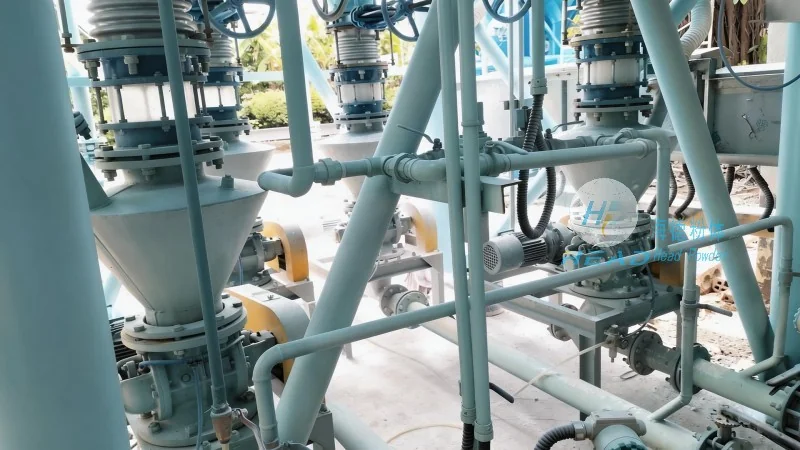
- Material Loading: The powder is introduced into the system, often from a hopper or silo, where it is fed into the conveying line under controlled conditions to prevent clogging or agglomeration.
- Air Supply and Pressure Generation: A blower or compressor generates the necessary air pressure, which is then directed into the pipeline. The pressure differential between the inlet and outlet of the system drives the material forward.
- Pipeline Transport: The powder particles are suspended in the air stream as they travel through the pipeline. The design of the pipeline, including bends, elbows, and expansion joints, is critical to maintain the flow and prevent particle deposition or blockages.
- Material Discharge: At the destination point, the system uses a pressure reduction or vacuum mechanism to release the powder into the receiving vessel or processing equipment. This step ensures precise and controlled discharge of the material.
During operation, the system maintains a consistent air flow rate and pressure to ensure stable material transport. The velocity of the air stream is carefully controlled to keep the powder particles in suspension without causing excessive wear on the pipeline or equipment. This balance is essential for both the efficiency of the transport and the longevity of the system components.
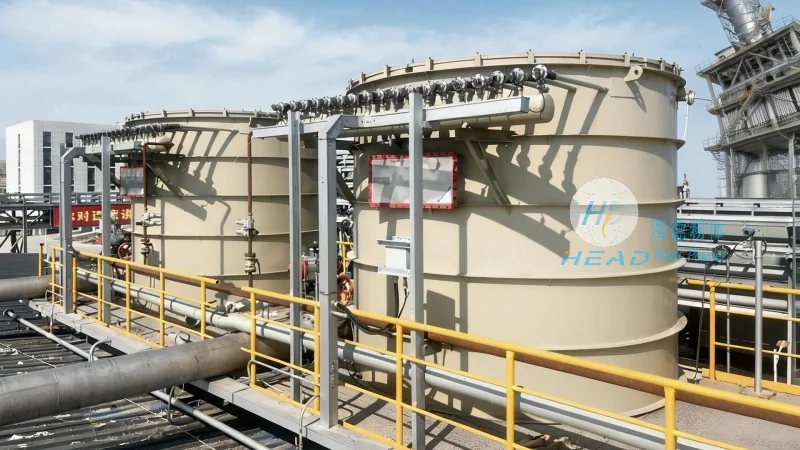
Key Features of Pneumatic Conveying Systems for Battery Materials
Systems designed for lithium-ion battery positive electrode powders exhibit several distinct features that enhance their performance and suitability for this specific application:
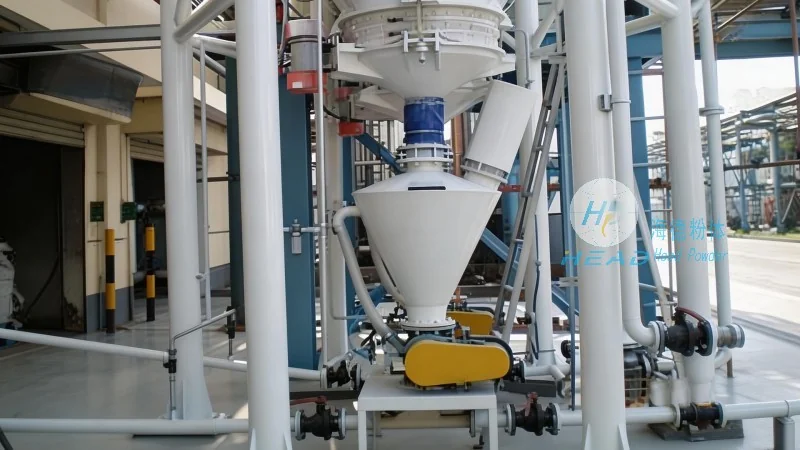
- Low Particle Damage: The pneumatic conveying process minimizes mechanical stress on the powder particles, which is vital for maintaining the integrity of the active material. This is achieved through the use of smooth pipeline surfaces and controlled air velocities, preventing attrition and agglomeration that could affect battery performance.
- Hygienic and Contamination-Free Operation: The enclosed system design ensures that the powder is not exposed to external contaminants, which is critical for battery manufacturing where purity is paramount. The system can be constructed from materials such as stainless steel to meet stringent hygiene standards.
- Flexibility in Layout: Pneumatic conveying systems can be configured in various layouts, including horizontal, vertical, or a combination of both, to accommodate different plant layouts and material flow paths. This flexibility allows for integration into existing production lines without major structural modifications.
- Energy Efficiency: Modern systems incorporate energy-saving technologies, such as variable frequency drives (VFDs) for blowers, which adjust the air flow based on the material load. This optimizes energy consumption while maintaining efficient transport, contributing to cost savings and reduced environmental impact.
- Easy Maintenance and Scalability: The modular design of these systems facilitates easy maintenance and component replacement. Additionally, the systems can be scaled up or down to meet changing production demands, providing long-term adaptability for battery manufacturers.
Conclusion
HeadPowder's pneumatic conveying systems for lithium-ion battery positive electrode powder materials represent a sophisticated solution that combines advanced engineering with practical application. By understanding the working principles and leveraging the key features of these systems, battery manufacturers can achieve efficient material handling, maintain product quality, and enhance overall production efficiency. As the demand for lithium-ion batteries continues to grow, the role of reliable and effective material transport systems becomes increasingly critical, making such solutions an essential component of modern battery production facilities.