Ammonium bicarbonate is a widely used chemical compound in various industrial applications, and its efficient handling and transportation are crucial for maintaining production efficiency and product quality. The pneumatic conveying system, specifically designed for ammonium bicarbonate powder, offers a reliable and effective solution for material transport. This article explores the working principle and key features of such a system, highlighting how it enhances operational performance in industrial settings.
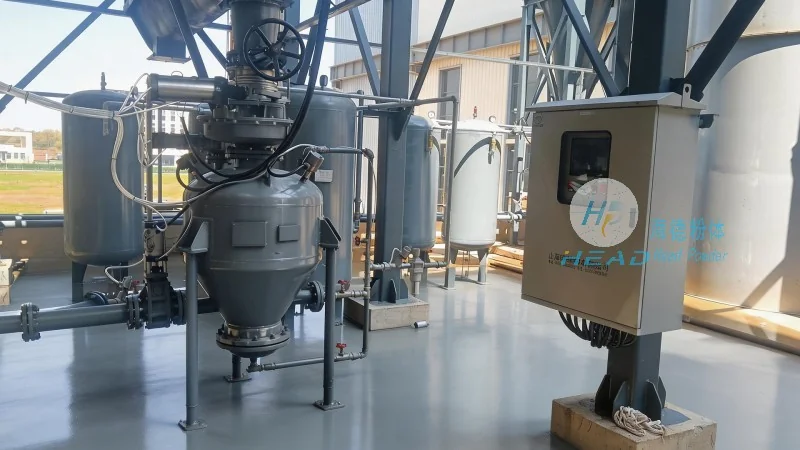
Overview of Ammonium Bicarbonate Pneumatic Conveying Systems
Ammonium bicarbonate (NH₄HCO₃) is a white crystalline powder commonly used in the production of fertilizers, food additives, and pharmaceuticals. Due to its hygroscopic nature and fine particle size, traditional conveying methods like belt conveyors or screw conveyors may not be suitable, as they can lead to material degradation, caking, or increased dust generation. Pneumatic conveying systems provide an alternative that minimizes these issues by utilizing air to transport the powder through a pipeline network.
The Working Principle of the System
The core of an ammonium bicarbonate powder pneumatic conveying system is the air flow mechanism that propels the powder particles. The system typically consists of a blower or compressor that generates a high-pressure air stream, which is then introduced into the conveying line. As the air flows through the pipeline, it creates a negative pressure zone that draws the ammonium bicarbonate powder into the system. The powder particles are suspended in the air stream and transported to the destination point, such as a storage silo or processing unit.
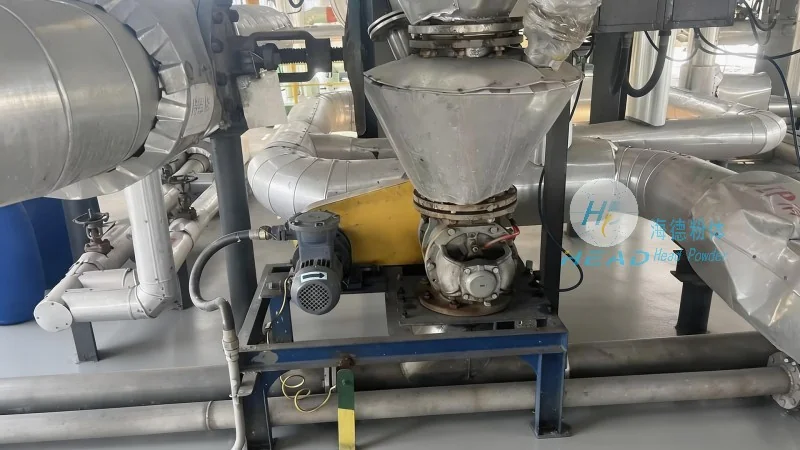
There are two main types of pneumatic conveying systems: dilute-phase and dense-phase. Dilute-phase systems operate at higher air velocities, typically 20-30 m/s, and are suitable for short-distance transport (up to 100 meters). In contrast, dense-phase systems use lower air velocities (5-10 m/s) and higher air-to-material ratios, making them ideal for longer distances (up to 500 meters) and preventing product degradation. The choice between these systems depends on the specific requirements of the application, including the distance to be covered, the required flow rate, and the need to maintain product integrity.
Key Features and Advantages
Several key features make the ammonium bicarbonate powder pneumatic conveying system an attractive option for industrial use:
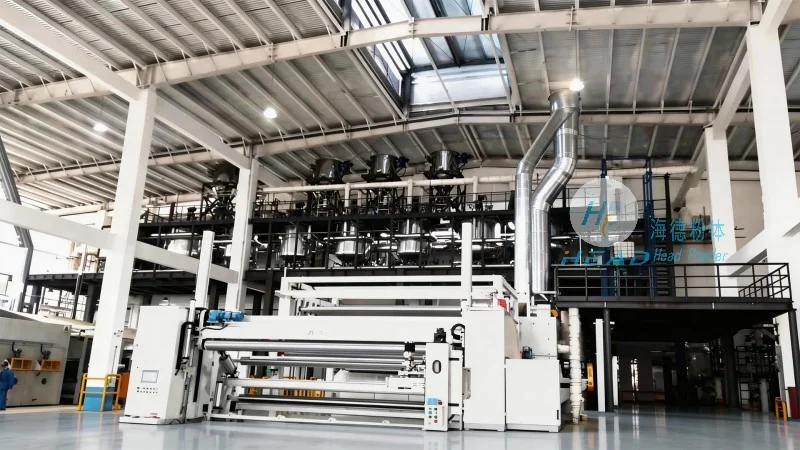
- Minimal Product Degradation: The system reduces the risk of caking, agglomeration, or moisture absorption, which can occur with traditional conveying methods. This ensures that the ammonium bicarbonate powder remains in its original state, preserving its quality and effectiveness.
- Reduced Dust and Contamination: Pneumatic conveying systems are enclosed, which prevents dust from escaping into the environment and minimizes cross-contamination with other materials. This is particularly important for ammonium bicarbonate, which can be hazardous if inhaled or if it comes into contact with moisture.
- Energy Efficiency: Compared to mechanical conveyors, pneumatic systems can be more energy-efficient, especially for long-distance transport. The air flow is optimized to minimize energy consumption while maintaining the required flow rate.
- Flexibility and Scalability: The system can be easily expanded or modified to accommodate changes in production volume or process requirements. It can handle varying flow rates and can be integrated with other equipment, such as storage silos, mixers, or packaging units.
- Low Maintenance: Pneumatic conveying systems have fewer moving parts compared to mechanical conveyors, resulting in lower maintenance costs and longer equipment life.
Application Considerations
When implementing an ammonium bicarbonate powder pneumatic conveying system, several factors must be considered to ensure optimal performance:
- Material Properties: The hygroscopic nature of ammonium bicarbonate means that the system must be designed to minimize exposure to moisture. This may involve using moisture-resistant materials for the pipeline and ensuring proper sealing to prevent air leakage.
- System Sizing: The blower or compressor must be sized appropriately to provide sufficient air pressure and flow rate to transport the required amount of powder. Incorrect sizing can lead to reduced efficiency or system failure.
- Filter and Cleaning: The system includes filters to remove dust from the air stream, which must be regularly cleaned or replaced to maintain air quality and prevent clogging.
- Safety Measures: Ammonium bicarbonate is a chemical that can be harmful if not handled properly. The system should include safety features, such as pressure relief valves and emergency shut-off mechanisms, to prevent accidents and ensure operator safety.
Conclusion
The ammonium bicarbonate powder pneumatic conveying system is a highly effective solution for the transportation of this critical chemical compound. By leveraging the principles of pneumatic transport, the system minimizes product degradation, reduces dust and contamination, and offers energy efficiency and flexibility. When properly designed and maintained, it can significantly enhance operational performance in industrial applications, ensuring consistent quality and reliability in the handling of ammonium bicarbonate.




