For industries dealing with fiber materials, efficient and reliable material handling is crucial. This article focuses on the design, calculation, and equipment selection for pneumatic conveying systems tailored to fiber materials. By understanding the key factors and technical considerations, businesses can optimize their material transport processes, enhance operational efficiency, and reduce costs.
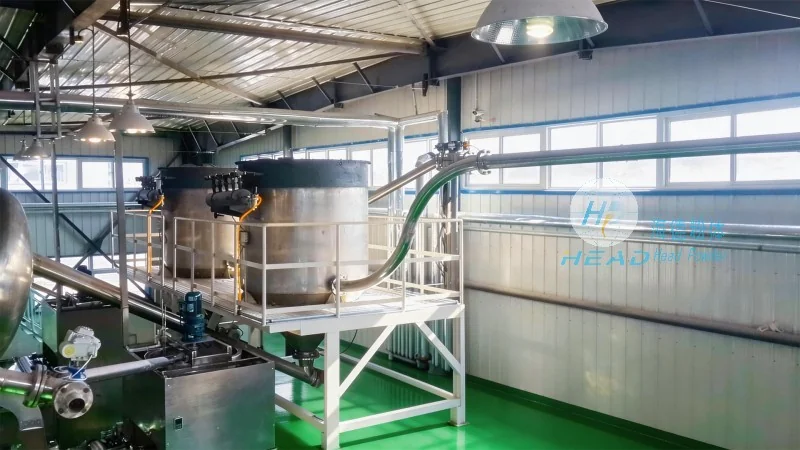
Understanding Pneumatic Conveying for Fiber Materials
Fiber materials, such as wood chips, paper pulp, and textile fibers, present unique challenges in material handling due to their physical properties. Unlike bulk solids, fibers can exhibit different flow characteristics, including variable density, moisture content, and particle size distribution. These factors influence the selection of the appropriate pneumatic conveying system. The primary goal is to develop a system that ensures stable, low-pressure, and low-velocity transport, minimizing material degradation and equipment wear.
Key Design Considerations for Fiber Pneumatic Conveying
Several critical factors must be considered during the design phase of a fiber material pneumatic conveying system. The first is the material's physical properties, including particle size, moisture content, and bulk density. These parameters determine the required air velocity and pressure to achieve effective transport. For example, wood chips with larger particle sizes may require higher air velocities to prevent blockages, while paper pulp with higher moisture content might need additional drying or moisture control measures to maintain optimal conveying conditions.
Another essential consideration is the system's layout and configuration. The design must account for the source of the fiber material, the conveying distance, and the destination point. The choice between positive and negative pressure systems depends on the application. Positive pressure systems are often preferred for short distances and when transporting materials from a central source to multiple destinations, as they offer better control over material flow and reduce the risk of contamination. Negative pressure systems, on the other hand, are suitable for long-distance transport or when the material needs to be isolated from the environment, as they minimize dust emissions and prevent material leakage.
Equipment Selection for Fiber Pneumatic Conveying
The selection of equipment is a critical step in ensuring the success of a fiber material pneumatic conveying system. The key components include the feeders, conveyors, and separation systems. Feeders, such as rotary valves or screw feeders, are responsible for controlling the flow rate of the fiber material into the system. The choice of feeder depends on the material's flowability and the required control precision. For fibrous materials that tend to cling or bridge, rotary valves with adjustable speed and design are often recommended to maintain a consistent feed rate.
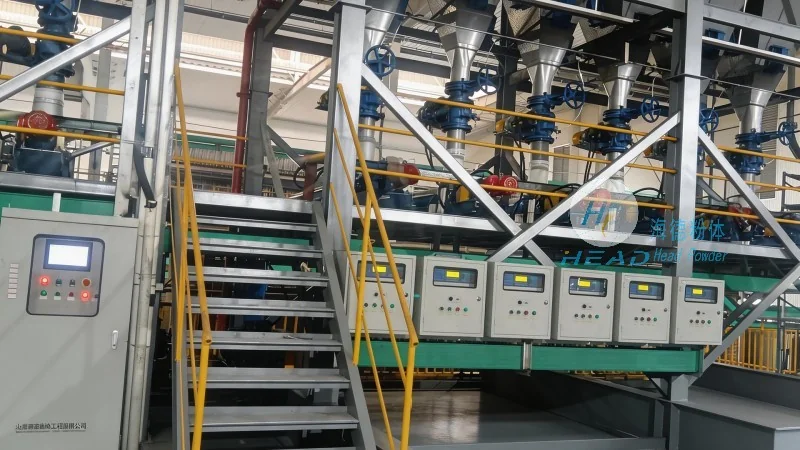
The conveying system itself, such as a pipeline or a duct, must be designed to accommodate the material's characteristics. For fiber materials, flexible or corrugated ducts may be used to reduce friction and prevent material buildup. The air compressor or blower is another critical component, as it provides the necessary air pressure and volume. The selection of the compressor depends on the system's pressure requirements and the volume of material to be transported. High-efficiency, low-noise compressors are preferred to minimize operational costs and environmental impact.
Separation systems are also essential to prevent material accumulation and ensure smooth operation. Cyclone separators or bag filters are commonly used to remove excess fiber material from the air stream, preventing clogging and maintaining system efficiency. The design of these separators must be optimized to handle the specific characteristics of the fiber material, such as particle size and moisture content.
Calculation Methods for Fiber Pneumatic Conveying Systems
Accurate calculation of the pneumatic conveying system is essential to ensure its performance and efficiency. The calculation process involves determining the required air velocity, pressure, and power consumption. The air velocity must be sufficient to overcome the material's resistance to flow and prevent blockages. The pressure drop across the system components must be calculated to ensure the compressor can provide the necessary pressure. The power consumption is calculated based on the air volume and pressure, which directly impacts the operational costs.
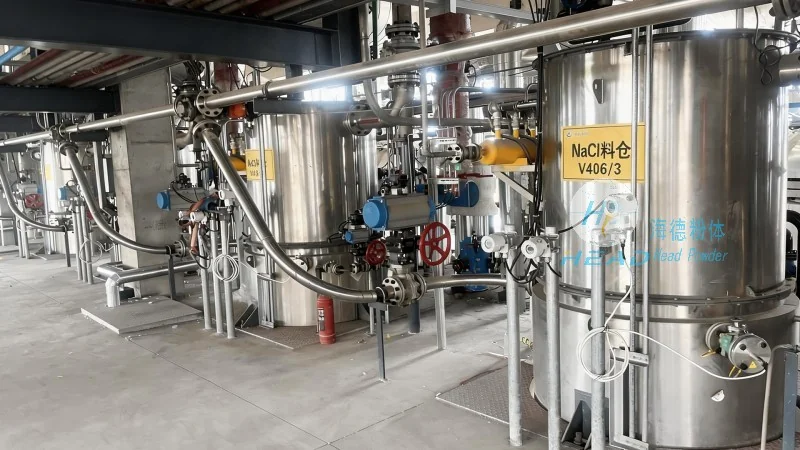
Several calculation methods are available, including the empirical method and the theoretical method. The empirical method relies on established formulas and data from similar applications, providing a practical approach for system design. The theoretical method involves more detailed analysis of the fluid dynamics and material properties, offering a more precise calculation. Both methods are used in practice, with the empirical method being more common for initial design and the theoretical method used for optimization and troubleshooting.
Benefits of Proper Fiber Pneumatic Conveying Design
Implementing a well-designed fiber material pneumatic conveying system offers numerous benefits for businesses. Firstly, it enhances operational efficiency by reducing material handling time and labor costs. The automated system minimizes human intervention, leading to consistent and reliable material transport. Secondly, it improves product quality by minimizing material degradation and contamination. The low-velocity and low-pressure transport reduces fiber breakage and prevents dust accumulation, which can affect downstream processes.
Thirdly, it reduces operational costs by optimizing energy consumption and minimizing equipment wear. The efficient design of the system ensures that the compressor operates at optimal conditions, reducing energy waste. The selection of appropriate equipment, such as high-efficiency compressors and durable components, extends the system's lifespan and reduces maintenance costs. Finally, it improves workplace safety by reducing dust emissions and minimizing the risk of material handling accidents.
Conclusion
Designing and selecting the appropriate pneumatic conveying system for fiber materials is a complex but essential process. By considering the material's physical properties, system layout, and equipment selection, businesses can develop a system that meets their specific needs and enhances operational performance. The key is to balance efficiency, cost, and reliability, ensuring that the system operates smoothly and effectively over the long term. With the right approach, fiber material pneumatic conveying can be a highly effective solution for material handling, contributing to improved productivity and profitability.




