

Design Considerations for Chocolate Pneumatic Conveying Systems
Chocolate processing demands precise and efficient material handling to preserve product quality and operational efficiency. Pneumatic conveying systems are a critical component in modern chocolate production facilities, facilitating the safe and effective transport of chocolate powders, granules, and related materials. However, the design of such systems requires careful consideration of several key factors to ensure optimal performance, longevity, and compliance with industry standards.
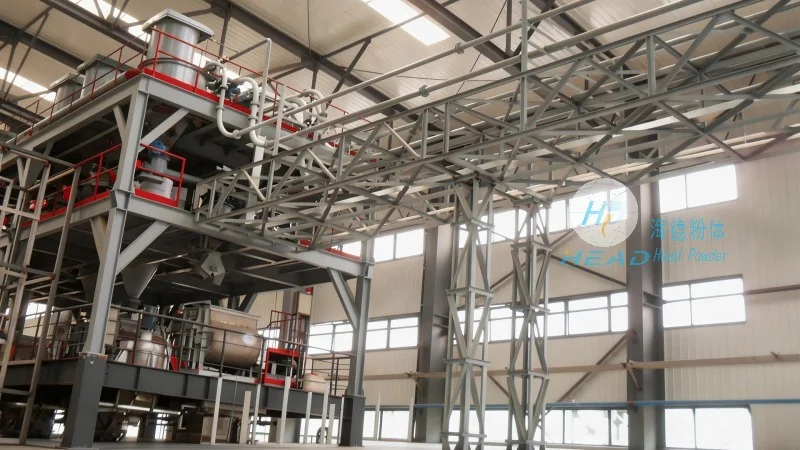
Key Design Considerations for Chocolate Pneumatic Conveying
When designing a chocolate pneumatic conveying system, critical aspects must be addressed to prevent issues like product degradation, system inefficiencies, or equipment damage. The first consideration is selecting the appropriate conveying method—such as pressure or vacuum systems—based on the chocolate product's characteristics and plant layout. For instance, high-pressure systems are often preferred for transporting fine chocolate powders over long distances, while vacuum systems may suit bulkier materials or applications requiring gentle handling.
Material Selection and Compatibility
Another crucial factor is component material selection, as chocolate is hygroscopic (absorbs moisture), which can cause clumping, caking, or flavor changes. Components must be non-reactive with chocolate and resistant to moisture. Stainless steel is commonly used for its corrosion resistance and hygienic properties, while specialized coatings or liners may prevent contamination or buildup. Material choice also impacts durability and ease of cleaning, vital for food safety.
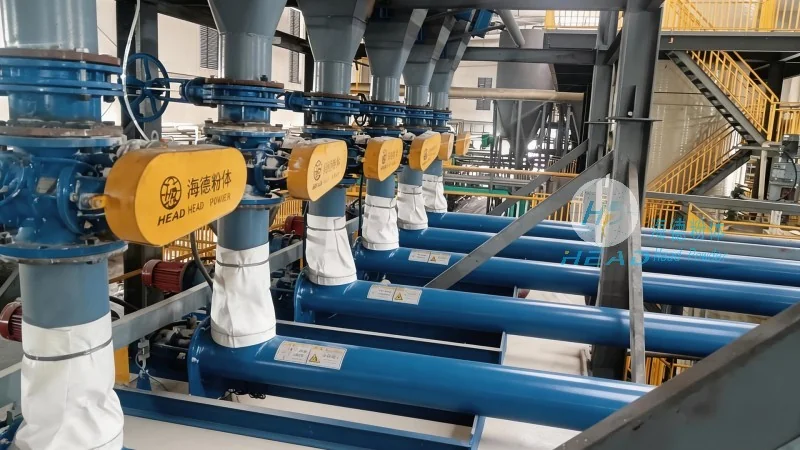
Pressure and Flow Control Mechanisms
Effective pressure and flow control are essential to avoid excessive pressure drops that degrade products or cause blockages. The system must include pressure regulators, flow meters, and control valves for consistent conveying rates. For temperature-sensitive chocolate, precise control prevents overheating or premature solidification. HeadPowder, a leading engineering firm based in Shandong, China, specializes in custom pneumatic conveying solutions with advanced control systems to ensure optimal performance and product integrity.
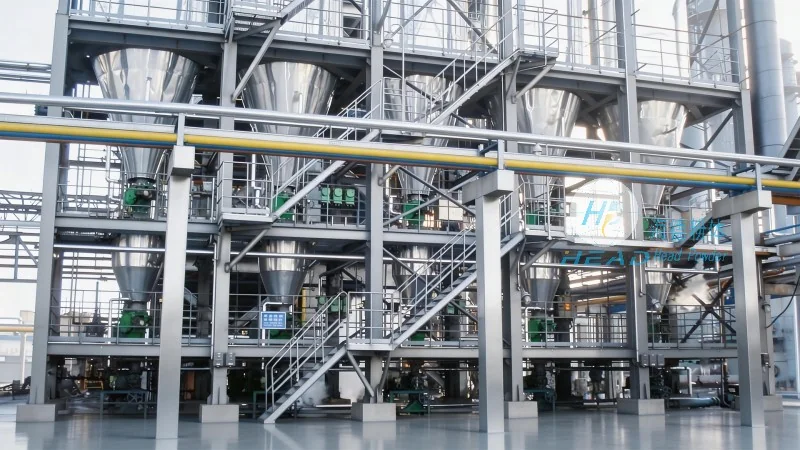
System Layout and Integration with Production Lines
The system layout must minimize material handling distances and reduce contamination risks. It should integrate seamlessly with existing production lines, coordinating hopper, silo, and discharge point placement. Flexible hoses or rigid pipes accommodate layout changes, and proper integration ensures smooth flow from mixers, extruders, or packaging machines. This planning optimizes material transport from start to finish.
Maintenance and Cleaning Protocols
Regular maintenance and thorough cleaning are critical for system longevity and reliability. Chocolate residues can cause blockages or contamination if not addressed. HeadPowder recommends preventive maintenance, including hopper and pipe cleaning, and CIP (Clean-in-Place) systems for automated hygiene. Proper maintenance extends equipment life, ensures consistent quality, and meets food safety regulations.