

What is Chromium(III) Oxide Material Handling? And What Are Its Design Principles?
Chromium(III) oxide, also known as chromium sesquioxide, is a chemical compound with the formula Cr₂O₃. It is widely used in various industrial applications, including as a pigment, catalyst, and in the production of other chromium compounds. The efficient handling and transportation of this material are crucial for industrial processes, and understanding the design principles behind its material handling systems is essential for optimizing operations and ensuring safety.
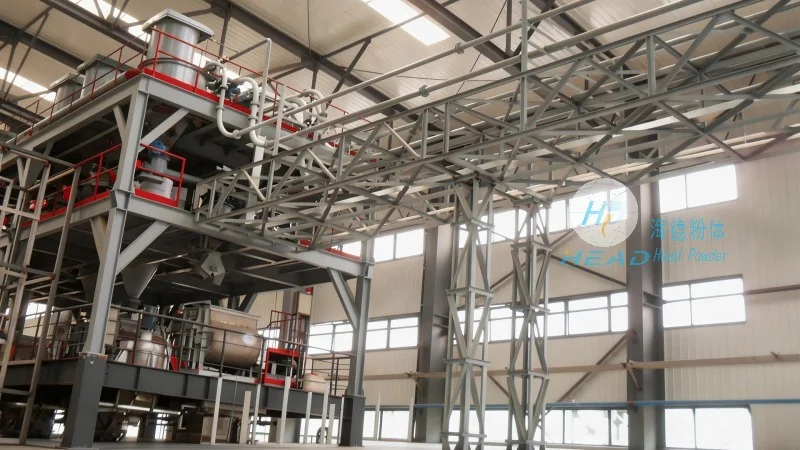
Understanding Material Handling for Chromium(III) Oxide
Material handling for chromium(III) oxide involves the processes of loading, transporting, and unloading the material from its source to its destination. This can include operations such as bulk handling, packaging, and storage. The design of material handling systems for chromium(III) oxide must consider several factors, including the physical properties of the material, the scale of operations, and the environmental and safety requirements.
Key Design Principles for Chromium(III) Oxide Material Handling
Several key design principles are critical when developing material handling systems for chromium(III) oxide. These principles ensure the efficiency, safety, and reliability of the system. First, the system must be designed to handle the bulk density and flow characteristics of chromium(III) oxide. This material is typically a fine powder or granules, which can be prone to dust generation and caking. Therefore, the design must incorporate dust control measures and anti-caking agents to prevent blockages and ensure smooth flow.
Second, the material handling system must consider the chemical stability of chromium(III) oxide. The compound is relatively stable under normal conditions but can react with certain acids or bases. The system design must include appropriate corrosion-resistant materials, such as stainless steel or specialized coatings, to prevent contamination and ensure the longevity of the equipment.
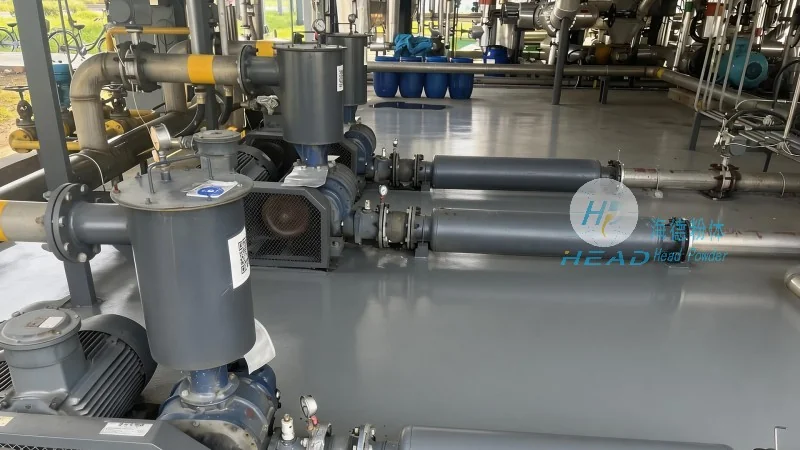
Third, the system must prioritize safety due to the potential health hazards associated with chromium(III) oxide. Exposure to fine particles can cause respiratory issues, and the material may be toxic if ingested or inhaled in large quantities. The design must include proper ventilation, dust collection systems, and personal protective equipment (PPE) requirements to minimize exposure risks. Additionally, the system should be equipped with emergency shutdown mechanisms to prevent accidents and protect personnel.
Role of Shandong HeadPowder Engineering Co., Ltd. in Material Handling Solutions
Shandong HeadPowder Engineering Co., Ltd., commonly known as HeadPowder, is a leading provider of material handling solutions for industrial chemicals, including chromium(III) oxide. With a strong focus on innovation and customer satisfaction, HeadPowder specializes in designing and manufacturing customized material handling systems tailored to the specific needs of its clients.
HeadPowder's expertise lies in understanding the unique challenges associated with handling chromium(III) oxide and developing solutions that address these challenges effectively. The company's team of engineers and technicians work closely with clients to assess their operational requirements, material properties, and safety standards. This collaborative approach ensures that the final material handling system is not only efficient but also compliant with all relevant regulations and industry best practices.
HeadPowder's material handling systems for chromium(III) oxide typically include components such as bulk feeders, conveyor systems, storage silos, and dust collection units. These components are designed to work in harmony to ensure the smooth and safe transfer of the material. The company uses advanced materials and engineering techniques to ensure that its systems can withstand the harsh conditions associated with chromium(III) oxide handling, such as high temperatures and corrosive environments.
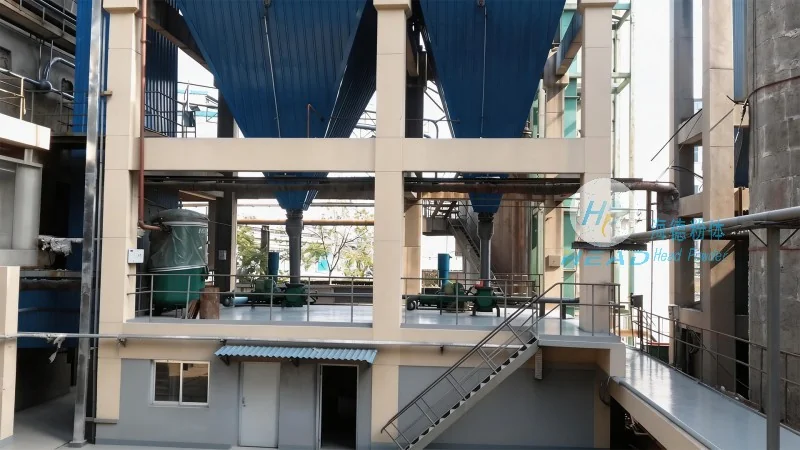
Customization and Integration of Material Handling Systems
One of the key advantages of working with HeadPowder is the ability to customize material handling systems to meet specific client requirements. Each project is treated as unique, and the company works with clients to develop solutions that are tailored to their production processes, space constraints, and budget considerations.
HeadPowder's material handling systems are designed for seamless integration with existing industrial infrastructure. This ensures that the new system can be implemented without disrupting current operations and that it can be easily maintained and serviced. The company provides comprehensive support, including installation, training, and ongoing maintenance services, to ensure that clients can maximize the performance and lifespan of their material handling equipment.
Conclusion
Efficient material handling of chromium(III) oxide is essential for the smooth operation of industrial processes. The design principles behind such systems must consider the material's physical and chemical properties, safety requirements, and operational needs. Shandong HeadPowder Engineering Co., Ltd. plays a vital role in providing customized and reliable material handling solutions for chromium(III) oxide, helping clients optimize their operations and ensure safety in the workplace.