Silica powder, a common industrial material, requires specialized handling systems due to its fine particle size and potential dust generation. Effective material handling of silica powder is crucial for maintaining operational efficiency, ensuring product quality, and adhering to safety regulations. This article explores the key aspects of silica powder material handling, focusing on the underlying design principles that guide the development of reliable and efficient systems.
Key Design Principles for Silica Powder Handling Systems
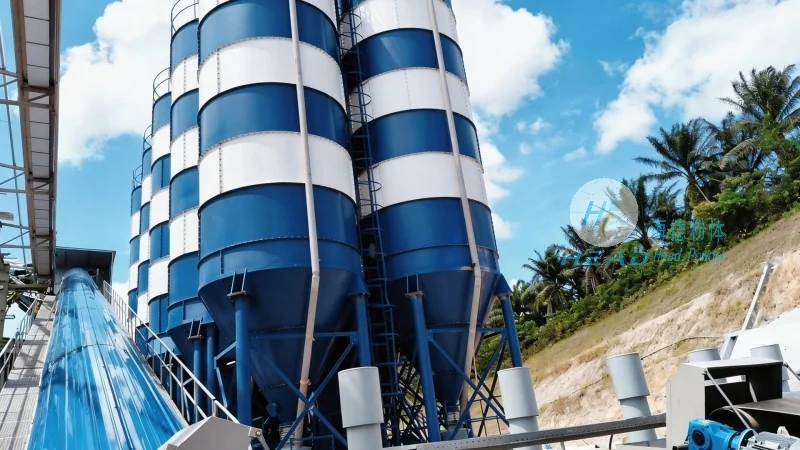
The design of silica powder handling systems is governed by several critical principles that address the unique challenges posed by this material. First, dust control is paramount, as silica powder can create airborne particles that pose health risks and affect environmental compliance. Advanced dust collection and filtration systems are typically integrated into the design to minimize emissions and ensure a safe working environment. Second, the system must accommodate the material's flow characteristics. Silica powder often exhibits cohesive or bridging behavior, which can lead to blockages in hoppers, chutes, and pipelines. Therefore, the design incorporates features such as anti-sticking coatings, vibration mechanisms, and appropriate hopper angles to promote smooth material flow. Third, the system must prioritize material integrity and prevent contamination. This involves using materials that are compatible with silica powder, such as stainless steel or specialized plastics, to avoid chemical reactions or particle degradation. Additionally, the design may include enclosed transfer points and sealed conveying lines to maintain product purity.
Components of a Typical Silica Powder Handling System
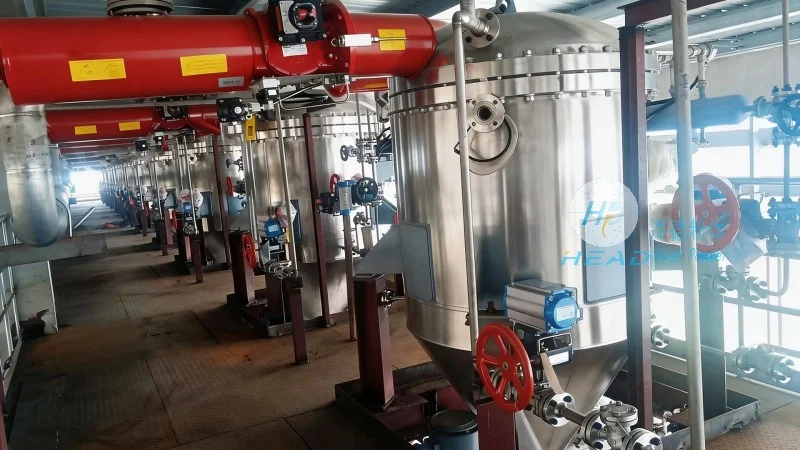
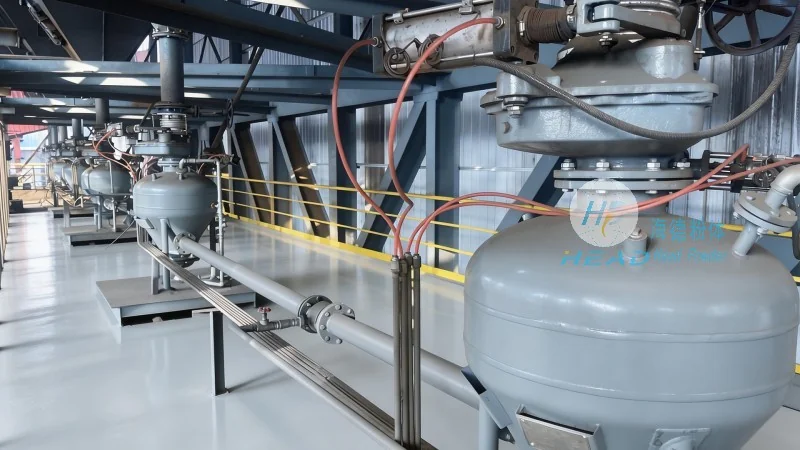
A comprehensive silica powder handling system typically consists of several interconnected components, each playing a vital role in the overall operation. The primary components include feeders, hoppers, conveying equipment, and storage vessels. Feeders, such as rotary valves or vibratory feeders, regulate the flow of silica powder from the storage hopper to the conveying system, ensuring a consistent and controlled feed rate. Hoppers are designed with specific geometries, often conical or wedge-shaped, to minimize the risk of material bridging and ensure uniform discharge. Conveying equipment, which may include pneumatic or mechanical systems, transports the powder from the feed point to the processing or packaging area. Pneumatic conveying systems, for example, use air pressure to move the powder through pipelines, while mechanical systems rely on screws or belts. Storage vessels, such as silos or bulk bags, are used to store large quantities of silica powder, providing a buffer for production fluctuations and ensuring a steady supply.
Design Considerations for Silica Powder Handling
When designing a silica powder handling system, engineers must consider several factors to optimize performance and reliability. Material selection is a critical consideration, as the equipment must withstand the abrasive nature of silica powder and resist corrosion. Stainless steel, for instance, is commonly used for hoppers and conveyors due to its durability and resistance to chemical attack. Additionally, the system's layout must account for the material's dust generation potential, incorporating dust collection points at strategic locations, such as the discharge points of hoppers and the exhaust of conveying lines. The design also addresses the need for easy maintenance and cleaning, as silica powder can accumulate in system components and affect performance over time. Features like removable liners, easy-to-clean surfaces, and access panels are often included to facilitate regular maintenance and ensure the system remains operational.
HeadPowder's Expertise in Silica Powder Handling Solutions
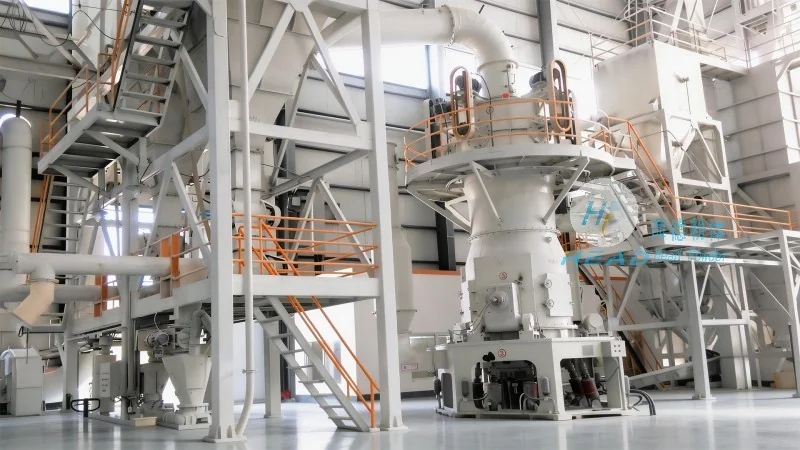
Shandong HeadPowder Engineering Co., Ltd., a leading provider of material handling solutions, specializes in designing and manufacturing systems tailored to the unique needs of silica powder applications. With years of experience in the industry, HeadPowder understands the challenges associated with handling fine powders and has developed innovative solutions to address them. The company's team of engineers leverages advanced design principles and cutting-edge technology to create customized systems that meet the specific requirements of clients. HeadPowder's solutions are built with high-quality materials and rigorous testing to ensure reliability and durability. The company also provides comprehensive support, including installation, commissioning, and after-sales service, to ensure that clients can operate their silica powder handling systems efficiently and safely. HeadPowder's commitment to quality and customer satisfaction has made it a trusted partner for businesses in various industries, including pharmaceuticals, food processing, and chemical manufacturing.




