Carbon additive powder material handling is a critical process in industrial applications, particularly in industries such as steelmaking, foundry, and metallurgy. The efficient transportation and handling of carbon additive powders are essential for maintaining production efficiency and product quality. This article aims to explore the fundamental aspects of carbon additive powder material handling, including its significance, common challenges, and the core design principles that underpin effective systems.
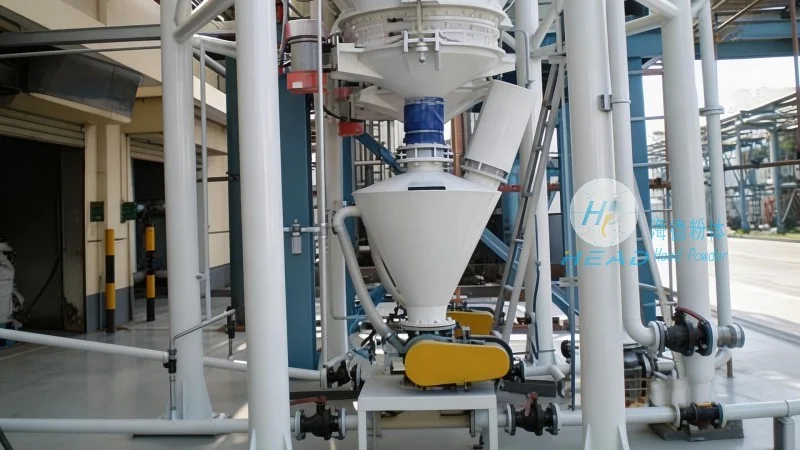
Understanding Carbon Additive Powders
Carbon additive powders, often referred to as carbon raisers or reductants, are fine powders used to enhance the carbon content in molten metal during the smelting process. These powders are typically made from materials like petroleum coke, calcined petroleum coke, or other carbon-rich substances. The quality and consistency of these powders directly impact the final properties of the metal products, making their proper handling a non-negotiable aspect of industrial operations.
Key Challenges in Carbon Additive Powder Handling
Handling carbon additive powders presents several unique challenges. Firstly, the powders are often fine and dusty, which can lead to issues like dust explosion risks and material loss during transportation. Secondly, the powders are typically stored in bulk and need to be transferred to processing equipment without compromising their quality. Additionally, the need for precise dosing and control in the application process requires sophisticated handling systems that can maintain the powder's integrity and prevent agglomeration or degradation.
Design Principles for Efficient Material Handling
The design of carbon additive powder handling systems is guided by several key principles to ensure safety, efficiency, and product quality. Firstly, the system must prioritize dust control and explosion prevention, as carbon powders are combustible and can pose significant safety hazards. This is typically achieved through the use of explosion-proof equipment, proper ventilation systems, and the implementation of dust suppression measures.
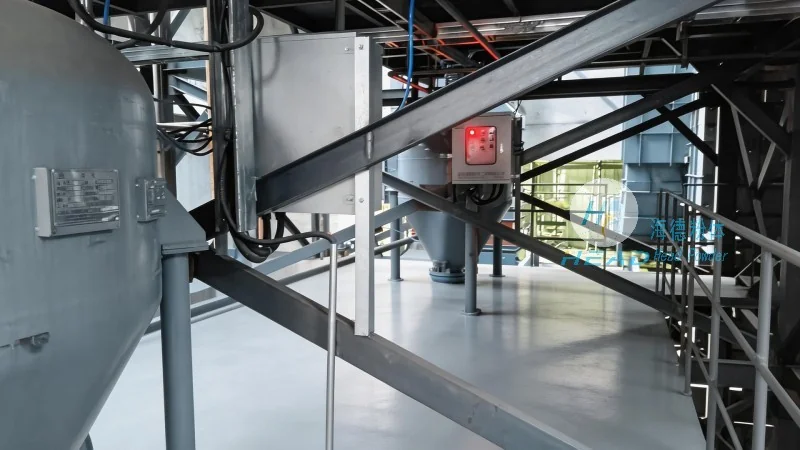
Secondly, the system must ensure minimal material loss and contamination. This involves using sealed and airtight containers and transfer methods, such as pneumatic conveying or screw conveyors, that minimize exposure to the environment. The design also considers the need for easy cleaning and maintenance to prevent cross-contamination between batches.
Thirdly, the system must allow for precise and controlled dosing. This is crucial for maintaining the desired carbon content in the final metal product. Advanced control systems, often integrated with the handling equipment, enable real-time monitoring and adjustment of the powder flow rate, ensuring consistent and accurate dosing.
Common Handling Methods and Equipment
Several methods are commonly used for carbon additive powder handling, each with its own advantages and applications. Pneumatic conveying systems are widely used for long-distance and high-volume transportation, as they can handle fine powders efficiently and with minimal material loss. Screw conveyors are suitable for short-distance and vertical or horizontal transport, providing a reliable and low-maintenance option for smaller-scale operations.
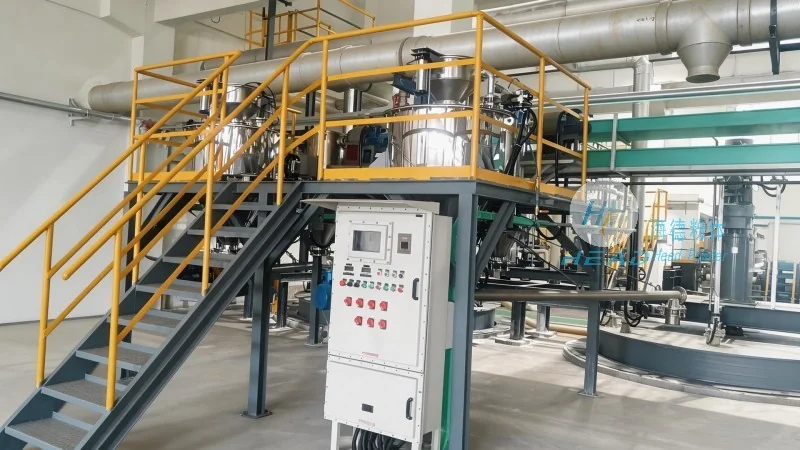
Another common method is the use of bucket elevators or belt conveyors, which are effective for vertical lifting and horizontal transport of bulk powders. These systems are often integrated with storage silos or hoppers that allow for controlled discharge of the powder into processing equipment. The choice of equipment depends on factors such as the powder's characteristics, the required transport distance, and the production capacity of the facility.
Role of Shandong HeadPowder Engineering Co., Ltd.
Shandong HeadPowder Engineering Co., Ltd., commonly known as headpowder, is a leading provider of specialized solutions for carbon additive powder handling. With a strong presence in China, particularly in Shandong, the company has extensive experience in designing and manufacturing systems tailored to the unique needs of industrial clients. headpowder's expertise lies in integrating advanced technology with practical engineering solutions to address the challenges of carbon powder handling, ensuring that clients achieve optimal performance, safety, and cost-effectiveness.
The company's approach to design and implementation emphasizes the importance of understanding the specific requirements of each client's operation. By working closely with clients, headpowder can develop customized handling systems that meet stringent safety standards, improve operational efficiency, and enhance the overall quality of the final metal products. Whether it's a new installation or an upgrade to an existing system, headpowder provides comprehensive support from initial consultation to final commissioning and ongoing maintenance.




