

Working Principle and Features of Magnesium Oxide Pneumatic Conveying Equipment
Shandong HeadPowder Engineering Co., Ltd., commonly known as HeadPowder, is a professional manufacturer specializing in the design, production, and supply of pneumatic conveying equipment. Based in Shandong, China, the company has been committed to providing high-quality solutions for material handling in various industrial sectors. This article focuses on the working principle and key features of magnesium oxide pneumatic conveying equipment, which is widely used in the processing and transportation of magnesium oxide powder.
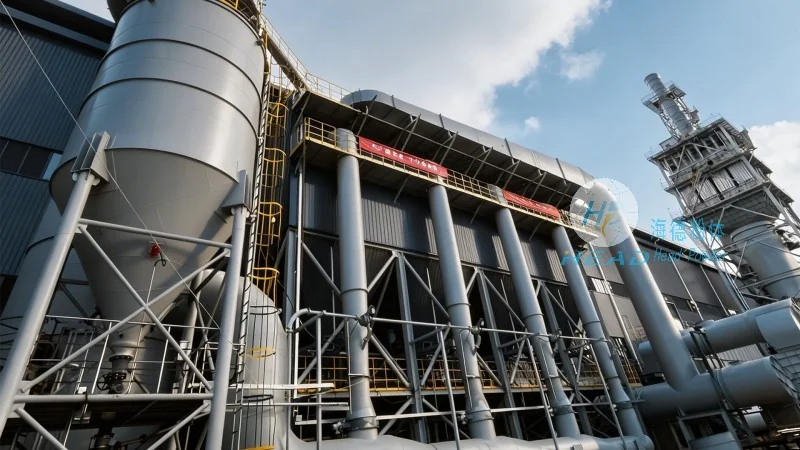
Overview of Magnesium Oxide Pneumatic Conveying Equipment
Magnesium oxide (MgO), also known as magnesia, is a white solid powder with excellent chemical stability and high refractoriness. In industrial applications, efficient and reliable transportation of magnesium oxide is crucial for maintaining product quality and operational efficiency. Pneumatic conveying systems offer a non-contact, low-cost, and flexible method for handling such powders. The equipment typically consists of a hopper, a rotary valve, a conveying pipeline, a dust collector, and a control system. These components work together to achieve the continuous and safe transport of magnesium oxide from the storage or processing point to the destination.
Working Principle of Magnesium Oxide Pneumatic Conveying Equipment
The core working principle of pneumatic conveying for magnesium oxide involves the use of compressed air to create a flow that transports the powder through the pipeline. The process can be categorized into two main types: dilute-phase and dense-phase conveying. In dilute-phase systems, the air velocity is high enough to keep the powder suspended in the air stream, allowing for long-distance transport with relatively low pressure drops. Dense-phase conveying, on the other hand, uses lower air velocities and higher powder concentrations, which reduces the risk of particle degradation and blockages in the pipeline. The equipment operates by first feeding the magnesium oxide powder into the hopper. The rotary valve then controls the discharge of the powder into the conveying pipeline. Simultaneously, the compressed air is introduced into the pipeline, creating a pressure differential that propels the powder forward. The air and powder mixture travels through the pipeline, and at the receiving end, the air is separated from the powder using a dust collector or cyclone separator. The purified air is then discharged, while the magnesium oxide powder is collected for further use or processing.
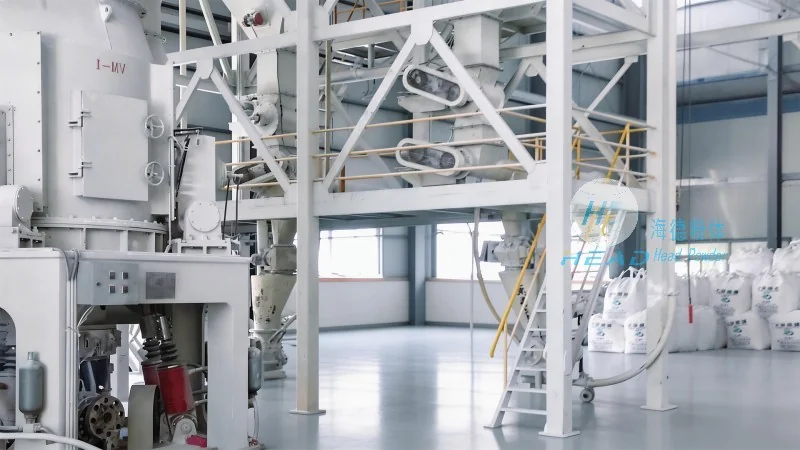
Key Features of Magnesium Oxide Pneumatic Conveying Equipment
HeadPowder's magnesium oxide pneumatic conveying equipment is designed with several key features that enhance performance and reliability. Firstly, the equipment is constructed with high-quality materials, such as stainless steel and corrosion-resistant alloys, to ensure durability and resistance to the chemical properties of magnesium oxide. This prevents material degradation and maintains the purity of the product. Secondly, the system incorporates advanced control technology, including variable frequency drives (VFDs) and pressure sensors, to optimize the conveying process. These controls adjust the air flow and pressure in real-time, ensuring efficient and consistent transport of the powder. Thirdly, the equipment is equipped with safety features, such as pressure relief valves and overfill protection, to prevent accidents and ensure safe operation. Additionally, the design allows for easy maintenance and cleaning, reducing downtime and operational costs. The compact and modular design of the equipment also makes it suitable for installation in various industrial settings, including factories, warehouses, and processing plants.
Advantages of Using Magnesium Oxide Pneumatic Conveying Equipment
Employing pneumatic conveying equipment for magnesium oxide offers several significant advantages over traditional methods like belt conveyors or bucket elevators. One of the primary benefits is the non-contact handling of the powder, which eliminates the risk of contamination from the conveying system. This is particularly important for magnesium oxide, which is often used in pharmaceutical, food, and chemical industries where product purity is critical. Another advantage is the ability to transport the powder in a closed system, which minimizes dust emissions and improves workplace safety. The flexible design of the equipment allows for easy integration with existing production lines and can be adapted to different conveying distances and capacities. Furthermore, the system can handle a wide range of powder characteristics, including varying particle sizes and moisture content, without causing blockages or degradation. The energy efficiency of the pneumatic conveying system also contributes to lower operational costs compared to other methods.
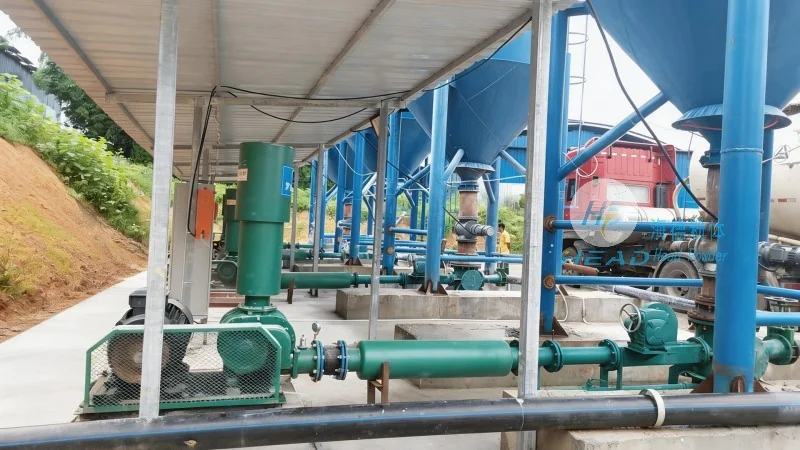
Application Scenarios and Customization Options
Magnesium oxide pneumatic conveying equipment is widely used in various industries where the handling of fine powders is required. In the chemical industry, it is used for the transportation of magnesium oxide from storage silos to reactors or processing units. In the pharmaceutical industry, the equipment is employed to transport magnesium oxide for the production of pharmaceuticals and supplements, ensuring that the powder remains sterile and uncontaminated. The food industry also utilizes this equipment for the handling of magnesium oxide used as a food additive or in the production of food products. Additionally, in the refractory industry, the equipment is used to transport magnesium oxide for the manufacturing of refractory bricks and other products. HeadPowder offers customized solutions for different application scenarios, including different pipeline configurations, material handling capacities, and control systems. The company works closely with clients to understand their specific requirements and provides tailored equipment that meets their operational needs and budget constraints.
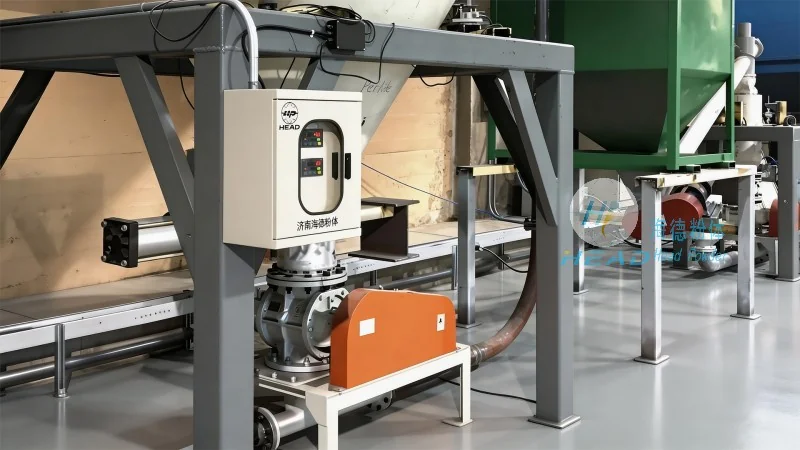
Maintenance and Operational Tips for Magnesium Oxide Pneumatic Conveying Equipment
Proper maintenance and operation of magnesium oxide pneumatic conveying equipment are essential to ensure its long-term performance and reliability. Regular inspection of the components, such as the hopper, rotary valve, and pipeline, is necessary to identify any signs of wear or damage. The rotary valve should be checked for proper sealing and operation to prevent powder leakage. The pipeline should be inspected for any blockages or corrosion, which can affect the conveying efficiency. The dust collector or cyclone separator should be cleaned regularly to maintain its effectiveness in separating the air and powder mixture. The compressed air system should be checked for proper pressure and flow to ensure optimal performance. Additionally, the control system should be monitored for any malfunctions or errors, and the VFDs should be calibrated as needed to adjust the air flow according to the powder load. By following these maintenance and operational tips, users can extend the lifespan of the equipment and minimize downtime, ensuring smooth and efficient operation.
Conclusion
Magnesium oxide pneumatic conveying equipment from Shandong HeadPowder Engineering Co., Ltd. offers an efficient, reliable, and safe method for transporting magnesium oxide powder in various industrial applications. The equipment operates based on the principle of using compressed air to transport the powder through a closed system, with features such as high-quality construction, advanced control technology, and safety measures. The advantages of using this equipment include non-contact handling, reduced dust emissions, and energy efficiency. Customization options are available to meet the specific needs of different industries, and proper maintenance is crucial for optimal performance. As a professional manufacturer based in Shandong, China, HeadPowder provides high-quality solutions for material handling, ensuring that clients can achieve their operational goals with reliable and efficient equipment.