

Working Principle and Features of Nickel Sulfate Pneumatic Conveying Equipment
For industrial applications involving the handling of nickel sulfate, efficient and reliable material transport is crucial. Pneumatic conveying systems have emerged as a preferred solution due to their ability to handle bulk materials like nickel sulfate with minimal maintenance and operational complexity. Shandong HeadPowder Engineering Co., Ltd. (headpowder), based in Shandong, China, specializes in designing and manufacturing advanced pneumatic conveying equipment tailored for such applications. This article explores the working principle and key features of nickel sulfate pneumatic conveying equipment, highlighting how such systems enhance productivity and safety in material handling processes.
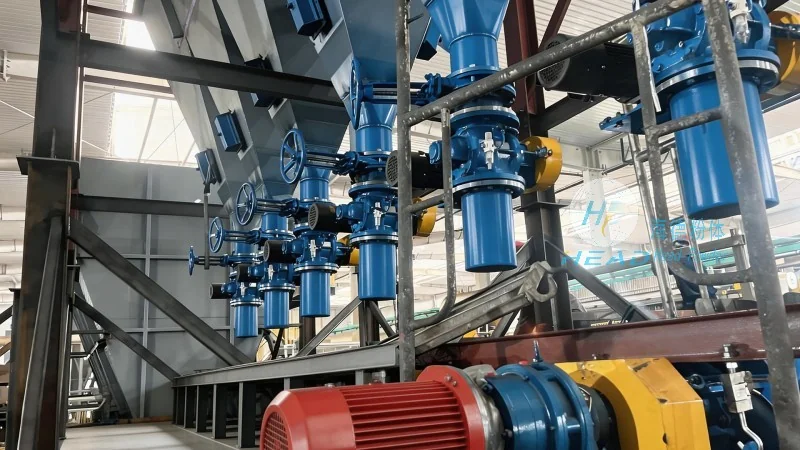
Understanding the Working Principle of Nickel Sulfate Pneumatic Conveying Equipment
The core mechanism of nickel sulfate pneumatic conveying equipment revolves around the use of air or gas to transport solid particles through a pipeline. The system typically operates on the principle of creating a pressure differential or using vacuum to move the material from the source to the destination. In a typical setup, the nickel sulfate is fed into a hopper or feeder, where it is then introduced into a pipeline. Compressed air or a vacuum is applied to the pipeline, generating a flow that propels the material forward. The equipment may include components such as a rotary valve, a venturi or eductor, and a receiver or discharge unit. The air flow not only transports the material but also helps in controlling dust and ensuring a consistent flow rate. The working principle ensures that the nickel sulfate is moved without direct contact with mechanical parts, reducing the risk of contamination and wear.
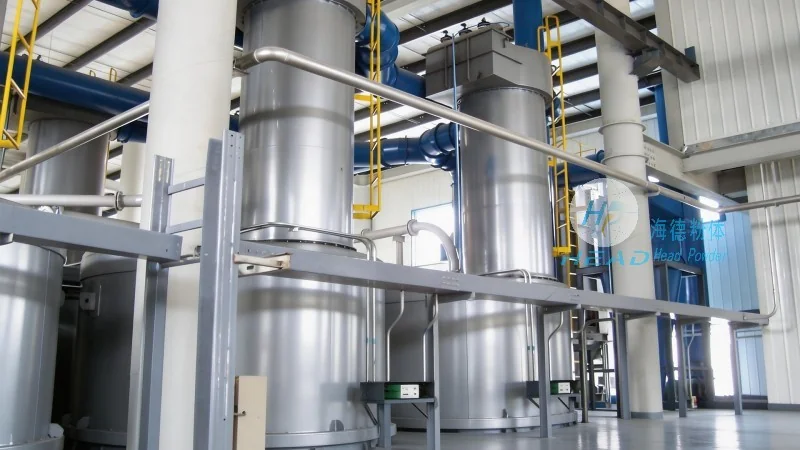
Key Features of Nickel Sulfate Pneumatic Conveying Equipment
Several key features distinguish nickel sulfate pneumatic conveying equipment from traditional methods. Firstly, the system offers a high degree of flexibility in terms of layout and installation. It can be configured to handle various distances and obstacles, making it suitable for complex industrial environments. Secondly, the equipment provides excellent dust control, which is critical for handling nickel sulfate, as it helps maintain a clean and safe working environment. The use of air as the conveying medium also minimizes the risk of material degradation or contamination, preserving the quality of the nickel sulfate. Additionally, the system is relatively low in maintenance requirements compared to mechanical conveyors, as it has fewer moving parts and less wear from direct material contact. This translates to lower operational costs and increased uptime. Another notable feature is the ability to handle both dry and slightly moist nickel sulfate without clogging, thanks to the efficient air flow and design of the conveying lines. The equipment also allows for easy integration with other processing equipment, such as reactors or storage tanks, enabling seamless material flow in production lines.
Benefits of Using Pneumatic Conveying for Nickel Sulfate Handling
Implementing nickel sulfate pneumatic conveying equipment brings several significant benefits to industrial operations. The primary advantage is enhanced safety, as the system eliminates the need for manual handling of bulk materials, reducing the risk of accidents and exposure to dust. This is particularly important in environments where nickel sulfate may pose health hazards. Secondly, the system improves operational efficiency by enabling continuous and automated material transport, which can increase production throughput and reduce downtime. The flexibility of the system also allows for easy adjustments to production schedules or changes in material volume, providing adaptability to varying operational needs. Furthermore, the reduced maintenance requirements lead to lower operational costs and higher reliability, ensuring consistent performance over time. The dust control features contribute to a cleaner workplace, improving the working conditions for personnel and reducing the need for additional cleaning measures. Overall, the use of pneumatic conveying for nickel sulfate handling offers a comprehensive solution that balances efficiency, safety, and cost-effectiveness.
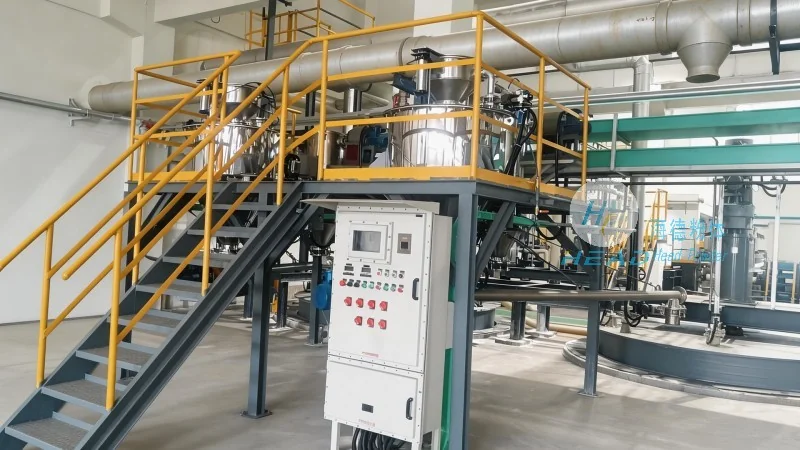
Conclusion
In conclusion, nickel sulfate pneumatic conveying equipment is a highly effective solution for handling bulk materials in industrial settings. Its working principle, based on air or gas transport, provides a reliable and efficient method for moving nickel sulfate while minimizing risks and costs. The key features, including flexibility, dust control, and low maintenance, make it an attractive option for various applications. By understanding these aspects, industries can make informed decisions about adopting such equipment to enhance their material handling processes. The combination of technical advantages and operational benefits positions pneumatic conveying as a preferred choice for nickel sulfate transport, contributing to improved productivity and safety in industrial operations.