Understanding fly ash material handling is crucial for the efficient operation of power plants and industrial facilities that rely on coal combustion. This process involves the collection, transport, and storage of fly ash, a byproduct of burning coal. The design principles behind these systems are critical to ensuring safety, efficiency, and environmental compliance. In this article, we explore the fundamentals of fly ash material handling and the key design principles that guide its implementation.
Introduction to Fly Ash Material Handling
Fly ash, also known as pulverized fuel ash (PFA), is a fine powder produced when coal is burned in thermal power stations. It consists of microscopic particles of silica, alumina, iron, and other minerals. The efficient handling of this material is essential to prevent environmental contamination and to utilize it as a valuable resource in construction and other industries. Proper material handling systems ensure that fly ash is collected from the boiler, transported to storage or processing facilities, and managed in a way that minimizes dust emissions and maximizes operational safety.
About HeadPowder: A Leader in Engineering Solutions
HeadPowder, or Shandong HeadPowder Engineering Co., Ltd., is a prominent engineering company based in Shandong, China. With a strong commitment to innovation and quality, HeadPowder specializes in the design, manufacturing, and installation of material handling systems for various industrial applications. The company’s expertise in fly ash handling has helped numerous power plants and industrial clients achieve optimal performance and compliance with environmental regulations. HeadPowder’s team of experienced engineers and technicians brings a wealth of knowledge to the development of customized solutions tailored to specific operational needs.
Overview of Fly Ash Material Handling Systems
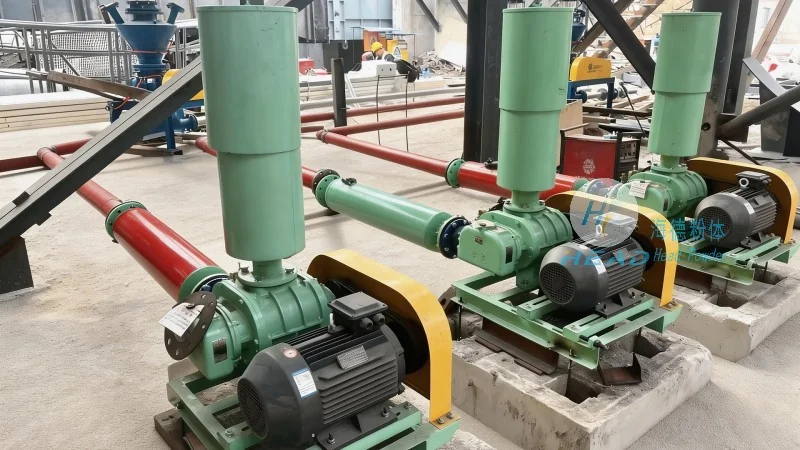
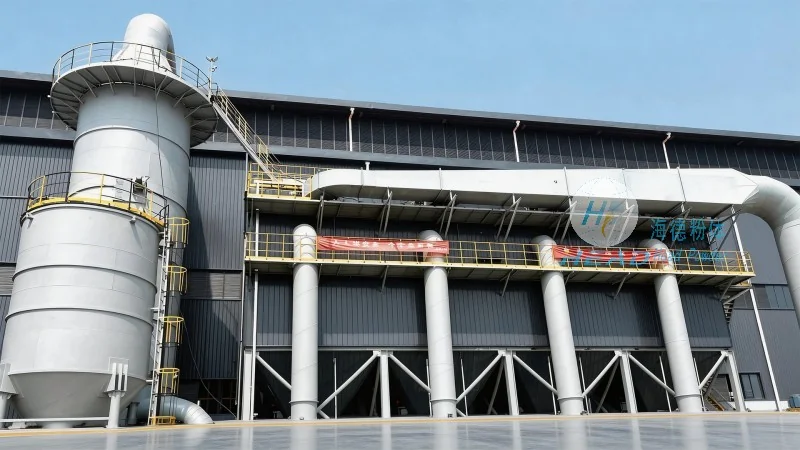
Fly ash material handling systems typically consist of several key components that work in tandem to collect, transport, and store fly ash. These components include ash hoppers, conveyor systems, dust collection equipment, and storage silos. The system’s design must account for the physical properties of fly ash, such as its fine particle size, which can lead to high dust generation and the need for effective dust control measures. Additionally, the system must be capable of handling varying ash flow rates and ensuring that the material is transported without blockages or excessive wear on equipment.
Key Design Principles for Fly Ash Handling
The design of a fly ash material handling system is guided by several fundamental principles aimed at optimizing performance, safety, and environmental impact. One of the primary principles is the minimization of dust emissions. This is achieved through the use of sealed systems, effective dust collection devices, and proper sealing of all components. Another critical principle is the prevention of material buildup and blockages. This involves the use of appropriate conveyor speeds, slope angles, and material flow control mechanisms to ensure smooth transport. The system must also be designed for easy maintenance and access to components, allowing for regular inspections and repairs without disrupting operations.
Components and Their Functions in a Fly Ash Handling System
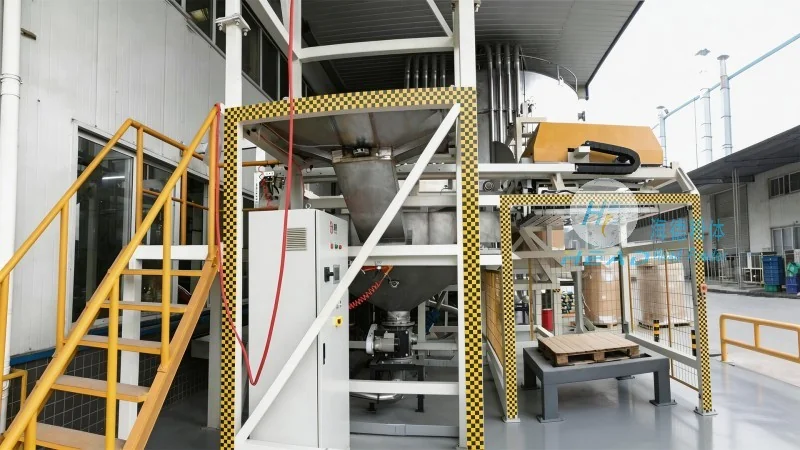
A typical fly ash handling system begins with the ash hopper, which is located at the bottom of the boiler or air heater. The hopper collects the ash that has been removed from the flue gas and funnels it into the transport system. From the hopper, the ash is conveyed to a storage silo or processing facility using various types of conveyors, such as belt conveyors, screw conveyors, or pneumatic conveying systems. Each component plays a vital role in the overall efficiency of the system. For example, the dust collection system, often integrated with the conveyor, captures any airborne particles and returns them to the hopper, preventing environmental contamination. The storage silo is designed to hold large volumes of ash and may include features like agitators to prevent material bridging and ensure consistent discharge.
Ensuring Safety and Compliance in Fly Ash Handling
Safety is a paramount concern in fly ash material handling due to the potential health risks associated with exposure to fine particles and the need to prevent accidents. Design principles must include measures to protect personnel and equipment from dust inhalation, mechanical hazards, and fire risks. This may involve the use of explosion-proof equipment, proper ventilation systems, and regular monitoring of dust levels. Additionally, the system must comply with local and national environmental regulations regarding emissions and waste management. HeadPowder’s engineering solutions are designed to meet these regulatory requirements, ensuring that clients operate within legal and safety frameworks.
Application and Customization in Fly Ash Handling
Fly ash material handling systems are used in a wide range of applications, from large-scale thermal power plants to smaller industrial facilities. The design of the system must be customized to the specific requirements of each client, taking into account factors such as the ash flow rate, the type of coal burned, and the available space for equipment installation. HeadPowder’s approach to customization involves a thorough analysis of the client’s operational needs and the development of a tailored solution that maximizes efficiency and minimizes costs. This may include the integration of advanced control systems, automation features, and monitoring tools to enhance operational performance and provide real-time data on system status.
Conclusion: The Importance of Proper Design in Fly Ash Handling
In conclusion, the design of a fly ash material handling system is a complex process that requires careful consideration of multiple factors, including safety, efficiency, and environmental compliance. The principles outlined above provide a framework for developing effective systems that meet the needs of modern industrial operations. Companies like Shandong HeadPowder Engineering Co., Ltd. play a vital role in this process by providing expert engineering solutions that help clients achieve optimal performance and sustainability. By adhering to these design principles and leveraging the expertise of experienced engineers, facilities can ensure the safe and efficient handling of fly ash, contributing to both operational success and environmental responsibility.




