

What is Silage Material Conveying? And What Are Its Design Principles?
Silage material conveying is a critical process in agricultural operations, particularly for the efficient handling and transportation of forage materials like silage. This system is essential for optimizing the storage and feeding processes in livestock farming, ensuring that the quality of the forage is maintained while facilitating smooth material movement. The design of silage material conveying systems is tailored to meet the specific demands of agricultural settings, focusing on durability, efficiency, and adaptability to various forage types and storage conditions.
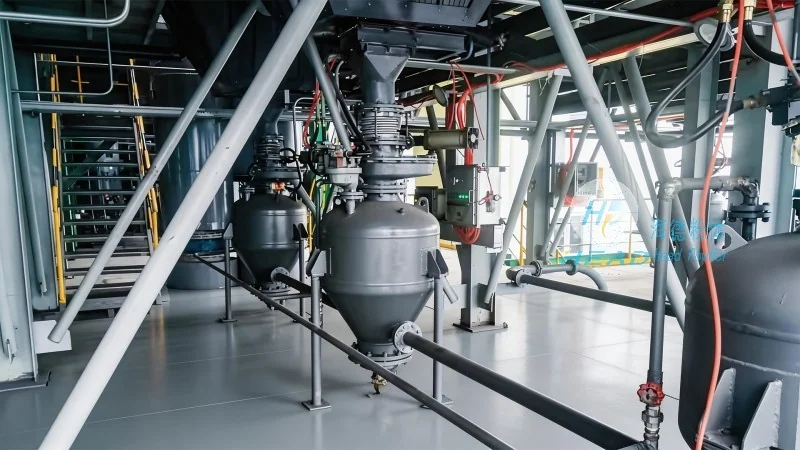
Understanding Silage Material Conveying
Silage material conveying involves the movement of chopped forage, typically from the harvesting stage through to the storage silo or feeding area. The primary goal is to transport these materials with minimal loss of nutrients and moisture, which are crucial for maintaining the nutritional value of the silage. Conveying systems can range from simple mechanical solutions to more complex automated setups, depending on the scale of the operation and the specific requirements of the farm. The effectiveness of these systems directly impacts the overall productivity and profitability of the agricultural enterprise.
Design Principles of Silage Material Conveying Equipment
The design principles for silage material conveying equipment revolve around several key factors. First, the equipment must be robust enough to handle the abrasive nature of chopped forage, which can cause wear and tear over time. Materials such as stainless steel or high-grade alloys are commonly used in the construction of conveyor components to ensure longevity and resistance to corrosion. Second, the system should be designed for efficient energy consumption, minimizing operational costs while maximizing throughput. This often involves the use of variable speed drives and optimized conveyor geometry to reduce friction and energy loss. Third, the design must prioritize hygiene and easy maintenance, as silage handling equipment is subject to high humidity and potential contamination risks. Features like easy-to-clean surfaces and accessible maintenance points are integral to the design.
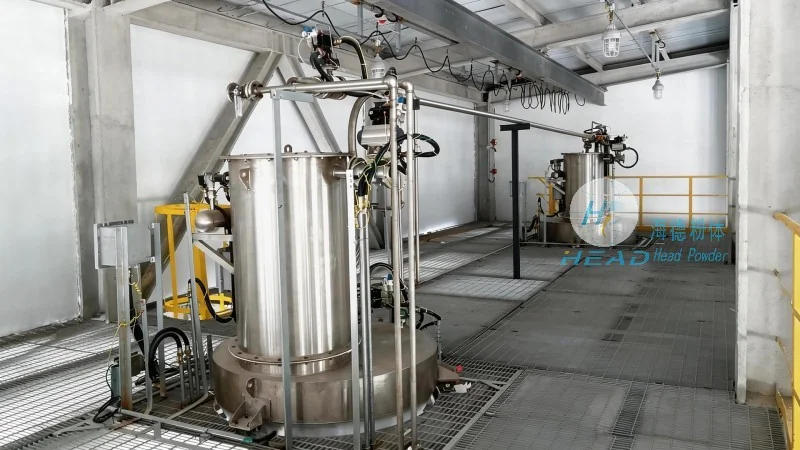
Key Components and Their Functions in Silage Conveying
Several key components make up a silage material conveying system, each playing a vital role in the overall operation. The primary component is the conveyor itself, which can be of various types, including belt conveyors, screw conveyors, or chain conveyors. Belt conveyors are widely used for horizontal and slight incline movements, offering smooth and continuous material transport. Screw conveyors, or augers, are ideal for vertical or steep incline applications, providing efficient vertical lifting of silage. Chain conveyors, often with special attachments, are suitable for handling more fibrous or sticky materials, ensuring reliable movement even under challenging conditions. Additionally, the system includes feeding mechanisms, such as hoppers or feeders, which regulate the flow of material into the conveyor. Control systems, including sensors and automation controls, monitor the operation and adjust the conveyor speed or direction as needed, ensuring optimal performance and safety.
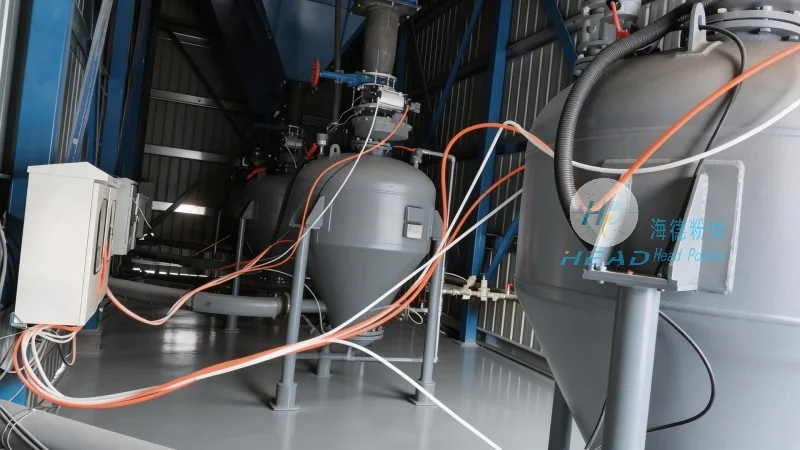
Application Scenarios and Practical Considerations
Silage material conveying systems are applied in a variety of agricultural settings, from small family farms to large commercial operations. In small-scale farms, the systems may be simpler, using manual or semi-automated components, while larger operations often employ fully automated, high-capacity systems. The choice of conveyor type depends on the specific application, such as moving silage from the field to the storage silo, from the silo to the feeding area, or within the storage silo itself. Practical considerations include the size and shape of the silage bales or piles, the moisture content of the forage, and the available space for the conveyor installation. Environmental factors, such as temperature and humidity, also play a role in the design and operation of the system, as they can affect the material's properties and the equipment's performance. Proper maintenance and regular inspections are essential to ensure the longevity and reliability of the conveying system, minimizing downtime and operational costs.
Company Profile: Shandong HeadPowder Engineering Co., Ltd.
Shandong HeadPowder Engineering Co., Ltd. is a leading manufacturer and supplier of specialized engineering solutions for agricultural and industrial applications. Based in Shandong, China, the company has established itself as a trusted partner in providing high-quality silage material conveying equipment and related services. With a focus on innovation and customer satisfaction, HeadPowder Engineering designs and manufactures equipment that meets the stringent requirements of modern agricultural operations. The company's products are known for their durability, efficiency, and adaptability, reflecting the design principles discussed earlier. By combining advanced engineering techniques with practical agricultural knowledge, HeadPowder Engineering helps farms improve their operational efficiency and productivity, contributing to the sustainable development of the agricultural sector.