

What is Fertilizer Granular Material Conveying? What are the Design Principles?
Understanding fertilizer granular material conveying is crucial for efficient agricultural operations and industrial processing. This process involves the movement of granular fertilizers from one location to another, often within manufacturing facilities or agricultural sites. The design principles behind such systems are tailored to ensure reliability, efficiency, and safety in handling these materials.
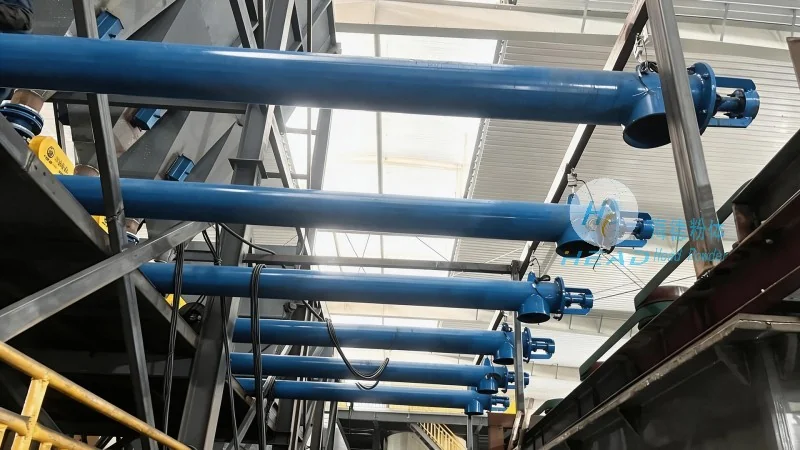
Overview of Fertilizer Granular Material Conveying
Fertilizer granular material conveying refers to the technology and equipment used to transport granular fertilizers, such as nitrogen, phosphorus, or potassium-based products. These materials are typically produced in large quantities and require systematic transport to storage, packaging, or application areas. The process is integral to the fertilizer supply chain, ensuring that raw materials are converted into usable products and delivered to end-users effectively.
Key Components of Conveying Systems
Conveying systems for fertilizer granular materials typically consist of several key components. These include feeders, which regulate the flow of material into the conveyor; conveyors themselves, which may be belt, screw, or pneumatic types; and control systems that monitor and adjust the operation based on real-time conditions. Each component plays a vital role in maintaining the integrity of the granular material and preventing issues like clogging or degradation.
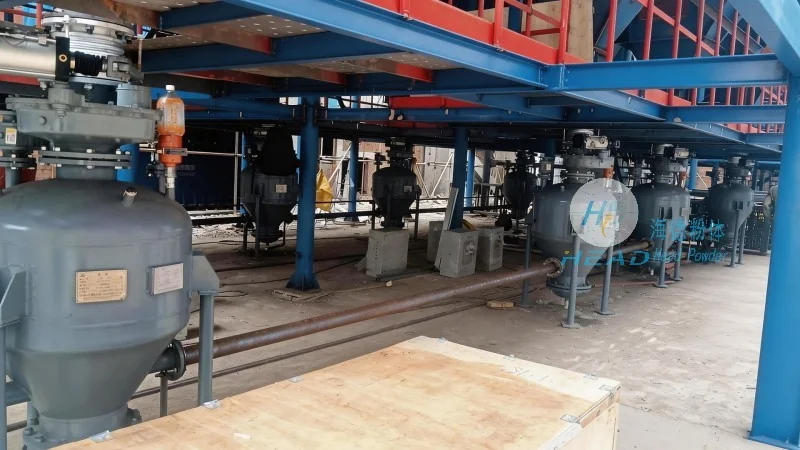
Design Principles for Efficient Conveying
The design of fertilizer granular material conveying systems follows several fundamental principles aimed at optimizing performance. These include ensuring proper material flow, minimizing friction and wear on equipment, and maintaining consistent speed and pressure. Engineers often consider factors like material density, moisture content, and particle size when designing these systems to prevent blockages and ensure smooth operation. Additionally, the design must account for the potential for dust generation and implement appropriate dust control measures to maintain safety and environmental standards.
Role of HeadPowder in Fertilizer Conveying Solutions
Shandong HeadPowder Engineering Co., Ltd., commonly known as HeadPowder, specializes in providing advanced conveying solutions for the fertilizer industry. With a focus on innovation and reliability, HeadPowder designs and manufactures equipment tailored to the unique needs of fertilizer processing. The company’s expertise lies in creating systems that enhance productivity while adhering to industry standards for safety and efficiency. By integrating cutting-edge technology with practical engineering, HeadPowder helps fertilizer manufacturers streamline their operations and improve overall performance.
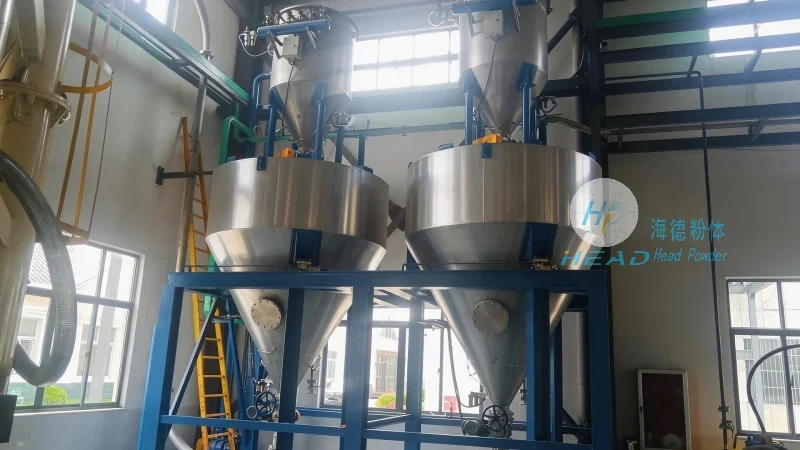
Addressing Common Challenges in Conveying
Conveying fertilizer granular materials presents several challenges, including material variability, potential for bridging or rat-holing, and the need for consistent flow rates. HeadPowder addresses these challenges through specialized equipment designs, such as variable-speed feeders and adjustable conveyor belts. These solutions allow for dynamic adjustments to accommodate changes in material characteristics, ensuring that the conveying process remains efficient and reliable. Furthermore, the company’s systems are built with durable materials to withstand the abrasive nature of fertilizer granules, reducing maintenance costs and extending equipment lifespan.
Conclusion: The Importance of Well-Designed Conveying Systems
In conclusion, fertilizer granular material conveying is a critical aspect of modern fertilizer production and distribution. The design principles and equipment used in these systems directly impact operational efficiency, safety, and product quality. Companies like Shandong HeadPowder Engineering Co., Ltd. play a vital role in advancing this technology, providing tailored solutions that meet the evolving needs of the fertilizer industry. By prioritizing reliability, efficiency, and innovation, these systems ensure that granular fertilizers are transported safely and effectively, supporting agricultural productivity and sustainability.